U.S. opens tariff probe targeting Germany’s drug pricing policies

The U.S. has launched an investigation into Germany's pharma policies over what it referred to as "persistent underpayment" for medicines as the European country looks to limit spiraling healthcare costs, including spending on drugs.
"President Trump has made clear that American patients should not be shouldering a disproportionate share of global pharmaceutical research and development," said U.S. Trade Representative Jamieson Greer in a statement late Thursday.
"I am particularly concerned with news that Germany is fast-tracking legislation that would further reduce its spending on innovative pharmaceuticals," he said, calling it "a serious step backwards."
In April, Germany proposed overhauling its health insurance system to reduce pressure on public finances, amid increased health spending.
It introduced a range of cost-saving measures, including higher discounts for insurance funds from the pharma industry, prompting numerous drugmakers to warn that they might withdraw or delay new medicines in the country.
The draft legislation is currently going through parliamentary processes.
Chancellor Friedrich Merz said Friday that he assumes the U.S. will abide by the trade agreement already in place with the European Union, and that the issue of reimbursements by German health insurance providers is a matter of national jurisdiction.
"If the United States would like information on this, we will of course be happy to provide it," he said following an EU Summit in Brussels, in comments reported by Reuters.
The U.S. investigation was initiated under Section 301 of the Trade Act, which allows unilateral action against countries with unfair practises that burden U.S. commerce and can lead to tariffs being imposed.
Greer said that U.S. trading partners must pay their fair share to fund research into new medicines, and that the investigation comes after months of discussion with German partners.
He also suggested that the issue could be solved without legal measures, pointing to the recent U.S.-U.K. deal, which saw the U.K. pay higher prices for new drugs through its National Health Service, in return for a tariff exemption for medicines.
"Germany should follow suit with constructive negotiations to address this imbalance," Greer said.
The German Health Ministry didn't respond to a request for comment.
Trump has made lower drug prices a priority and called to "end global freeloading," referring to the higher prices in the U.S. compared to other comparable countries, including in Europe.
The Trump administration last year introduced the so-called Most Favored Nation drug policy, or MFN, that ties the prices of medicines in the U.S. to lower ones abroad. It has reached agreements with 17 of the largest pharma companies in the world to voluntarily lower drug prices in the U.S. in exchange for tariff exemptions.
Critics of the policy, however, say that it stifles innovation and disincentivises investment in research and development.
Pharma executives, including the CEO's of AstraZeneca, Novartis, Roche, and privately-held Boehringer Ingelheim, have also warned that European countries risk missing out on novel medicines if prices in the lucrative U.S. market are tied to lower prices elsewhere.
AstraZeneca CEO Pascal Soriot said in April that if the gap between U.S. prices and prices in a reference country becomes too large, it will not be able to launch the drug there despite its "best intent" to bring new medicines to patients.
Related Topics
Keywords
Related Stories
Thousands of jobs at Virgin Media O2 to be cut
The broadband provider has not finalised the number of roles to be axed but it will likely be a sizeable chunk of its workforce, the BBC understands.

Shops looted as German cost-of-living protests turn violent
The protests in cities across Germany - including Berlin, Hamburg and Frankfurt - came on the same day hundreds of thousands also protested in France.

Energy bills help 'doesn't go far enough'
Families in the West Midlands say they are worried about paying winter energy bills.

Diwali hampers to bring hope to families in need
The Diwali Basket Brigade volunteers want to help vulnerable households with rising food prices.

Top Stories
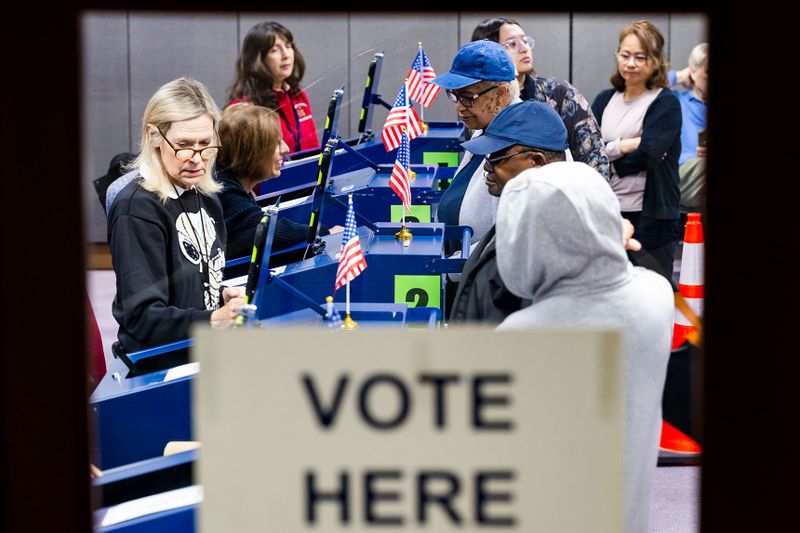
CONGRESS IN THE BALANCE: A blue tsunami, a tide, or chaos as usual — the US midterm election

'We've got big problems' - Hamilton says Ferrari need 'serious talks'

Detroit linebacker Campbell taken to hospital with neck injury
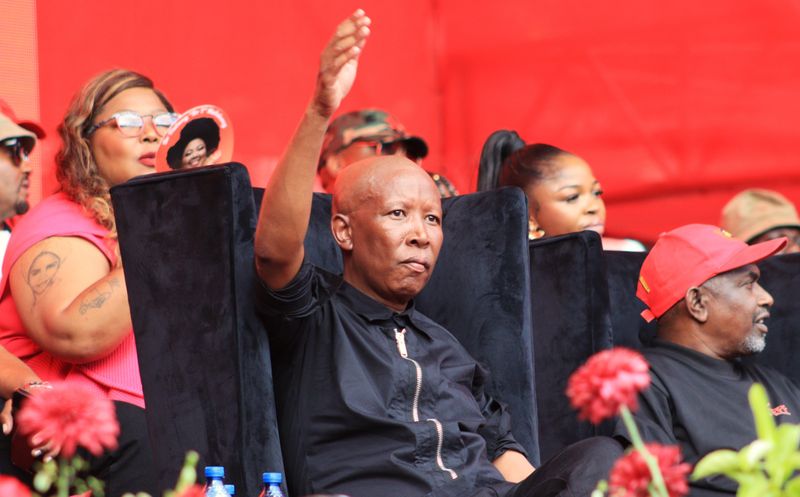
DIVISIVE WORDS: ‘We never called for literal killing’ — Malema appeals for farm killings to stop.

Antonelli becomes world champion as Verstappen wins in Mexico
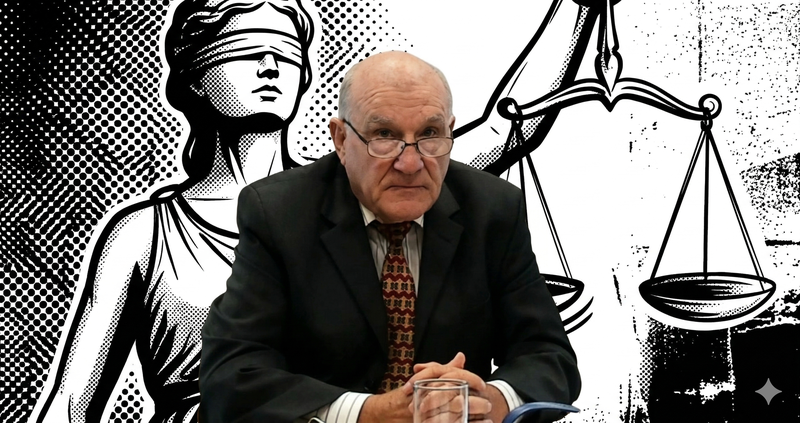
TRC ROULETTE : Victims’ families place key hidden evidence before Khampepe inquiry

REAL ESTATE & GOVERNANCE: How SA property prices reflect municipal service delivery

LOCAL ELECTIONS 2026: Thirteen mayoral candidates, plenty of blame and a crowd of fed-up residents
Latest
CONGRESS IN THE BALANCE: A blue tsunami, a tide, or chaos as usual — the US midterm election
'We've got big problems' - Hamilton says Ferrari need 'serious talks'
Detroit linebacker Campbell taken to hospital with neck injury
DIVISIVE WORDS: ‘We never called for literal killing’ — Malema appeals for farm killings to stop.
Antonelli becomes world champion as Verstappen wins in Mexico
TRC ROULETTE : Victims’ families place key hidden evidence before Khampepe inquiry
REAL ESTATE & GOVERNANCE: How SA property prices reflect municipal service delivery
LOCAL ELECTIONS 2026: Thirteen mayoral candidates, plenty of blame and a crowd of fed-up residents