U.S. will stop $4B in aid to Israel at the end of the year, Trump says
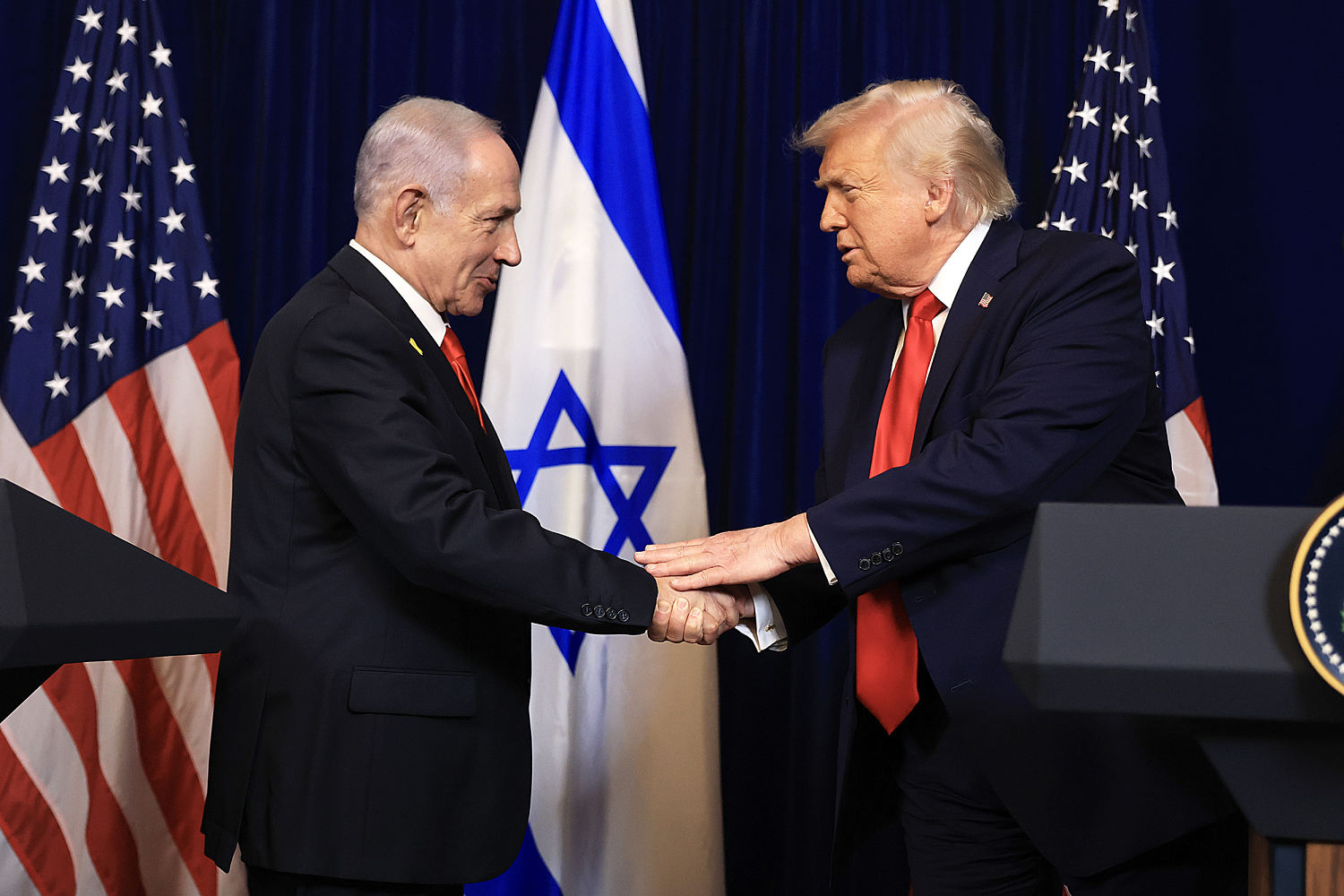
President Donald Trump said Tuesday that he has made a deal with Israeli Prime Minister Benjamin Netanyahu for the United States to stop sending $4 billion in aid annually to Israel. It was not immediately clear which exact funding Trump meant. Trump said he and Netanyahu “made a deal months ago that we’re stopping,” and that the money would get “cut off at the end of the year.” Speaking in a phone interview with “Fox & Friends,” the president said the idea was Netanyahu’s — the Israeli prime minister has previously floated tapering American aid over the next decade. Netanyahu’s office declined to comment Tuesday. “We’ll help Israel if they need it — you know they’ve been a great ally,” Trump said, adding that the Israeli government was “fine with it because, you know, they have become a very successful country” and “they don’t need” the money. The president was speaking while voters were heading to the polls for the midterm elections. U.S. military aid to Israel and Israel’s use of American weapons in Gaza and the West Bank has become one of the most contentious issues during the campaign. The president appeared to acknowledge a political dimension to the decision, saying, “The left uses the $4 billion payment that everybody knows about, when it’s no secret, as a signal of unfairness, and we can’t allow that to happen.” “I don’t like that because you know it’s too easy. It’s almost too easy a target,” he said. “Why should we suffer the slings from lunatics like an El-Sayed when they don’t need it?” Trump added, referring to Abdul El-Sayed, the Michigan progressive Democratic Senate nominee, who has forcefully criticized Israel and U.S. foreign policy during the campaign. The price of Brent oil slid 3% to $101 in response to Trump’s comments, its lowest level in more than three weeks, as investors and traders viewed the comments as potentially further evidence that the Iran war could be ended without escalation. It ticked back up to $103 as of noon ET. The initial drop added to oil’s biggest one-day decline in three months Monday, after Trump told NBC News that he was not planning to attack Iran after the midterms. Complex aid picture The U.S. has agreed to give Israel $3.8 billion annually as part of a “memorandum of understanding” between the two countries signed in 2016 under then President Barack Obama. That agreement took effect in October 2018 and specifies $3.3 billion a year in military financing grants and $500 million a year for joint missile defense. It is due to expire in 2028. Almost all of that money must be spent on purchases from the U.S. But the total amount is much higher, with American military aid to Israel greatly boosted following the Hamas-led attack on Israel on Oct. 7, 2023, and subsequent Israeli assault on Gaza. In the two years after October 7, the U.S. spent at least $21.7 billion in military aid to Israel, according to a paper by William D. Hartung, a senior research fellow at the Quincy Institute for Responsible Statecraft, a think tank based in Washington, D.C. According to the paper for Brown University’s Costs of War project, some of the $21.7 billion comes in the form of Foreign Military Financing, which is approved by the State Department and implemented by the Pentagon. It pays for weapons that originate in the U.S. and are transferred to other governments. Another tranche is Offshore Procurement, in which U.S. funds are given to Israel for it to bolster its own military. Other funds are used to replenish U.S. weapons stocks supplied to Israel, and “special funding” for ammunition and arms production capacity, the paper said. “U.S. arms have been central to the Israel Defense Forces (IDF) and Israel Police operations in Gaza, the West Bank, and beyond,” the study said, including “Israel’s entire inventory of combat capable aircraft,” which as of the study’s publication in October last year was 75 F-15s, 196 F-16s, and 39 F-35s. In January, the Netanyahu said that he hoped to “taper off” American military aid over the next decade. On Tuesday, Trump said that halting the money by the end of this year was the Israeli prime minister’s idea. “Can I be honest with you? He brought it up,” Trump added. “He said: ‘I think it would be appropriate if we do not receive aid,’ because he understands that this is one of their points of contention.” Trump and Netanyahu launched the war on Iran earlier this year, and munitions in the U.S. have been increasingly depleted as a result. Trump’s comments were seized upon by Netanyahu’s domestic political opponents. “The fact that the defense establishment — along with the citizens of Israel — learned of a shift in the strategic relationship through the media, demonstrates just how much Benjamin Netanyahu’s conduct poses a real danger,” said Gadi Eisenkot, one of Netanyahu’s main political rivals who previously served as IDF Chief of Staff. “He can no longer be trusted, and he must be replaced,” added Eisenkot, who has head of the Yashar party has received backing from Netanyahu’s other opponents to replace him as prime minister following inconclusive elections last month. Yair Golan, head of the left-wing Democrats party, added that “the cessation of American aid deals a severe blow to Israel’s security and the quality of life in the country.” “At a time when Israel’s defense expenditures have reached massive proportions, when Israel needs to replenish its stocks of offensive weaponry, and when air defense capabilities have been eroded following such a prolonged war,” Golan added. “Netanyahu has notched yet another colossal failure to his name.”
Related Topics
Keywords
Related Stories
Spanish transport minister resigns days after deadly train crash
At least 69 people were killed and dozens injured in the collision south of the capital, Madrid.

NTSB says crucial plane parts found three miles from Florida crash site
The NTSB said because the parts were found far from the accident site, they fell off before the crash.

Seven flights across Europe targeted by suspected bomb threats
Planes in Poland, Spain, Bulgaria and Italy have been checked for explosives following separate threats.

Irish Olympian Ciara Mageean was a 'talented and inspirational human being'
The former European champion and two-time Olympic runner had been diagnosed with stage four bowel cancer.

Top Stories
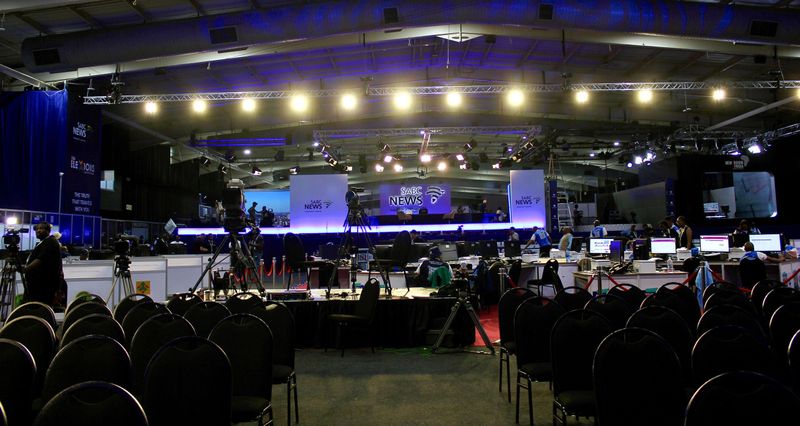
LOCAL ELECTIONS 2026: IEC tightens security amid ballot disruptions, arrests and election intimidation

Canva is announcing changes and layoffs affecting 22 percent of its staff

PAYMENT MODELS: Riding the e-commerce buy now, pay later hype train while it lasts

Champions League expert picks, predictions, best bets: Manchester City aim for turnaround vs. RB Leipzig

2027: Tinubu’s performance enough for his re-election, says education minister Tunji Alausa

Dave Richard's Week 9 Trade Chart and rest of season rankings: Jets, Raiders RBs in flux

NBS: Enugu records lowest ‘tax revenue-to-IGR ratio’
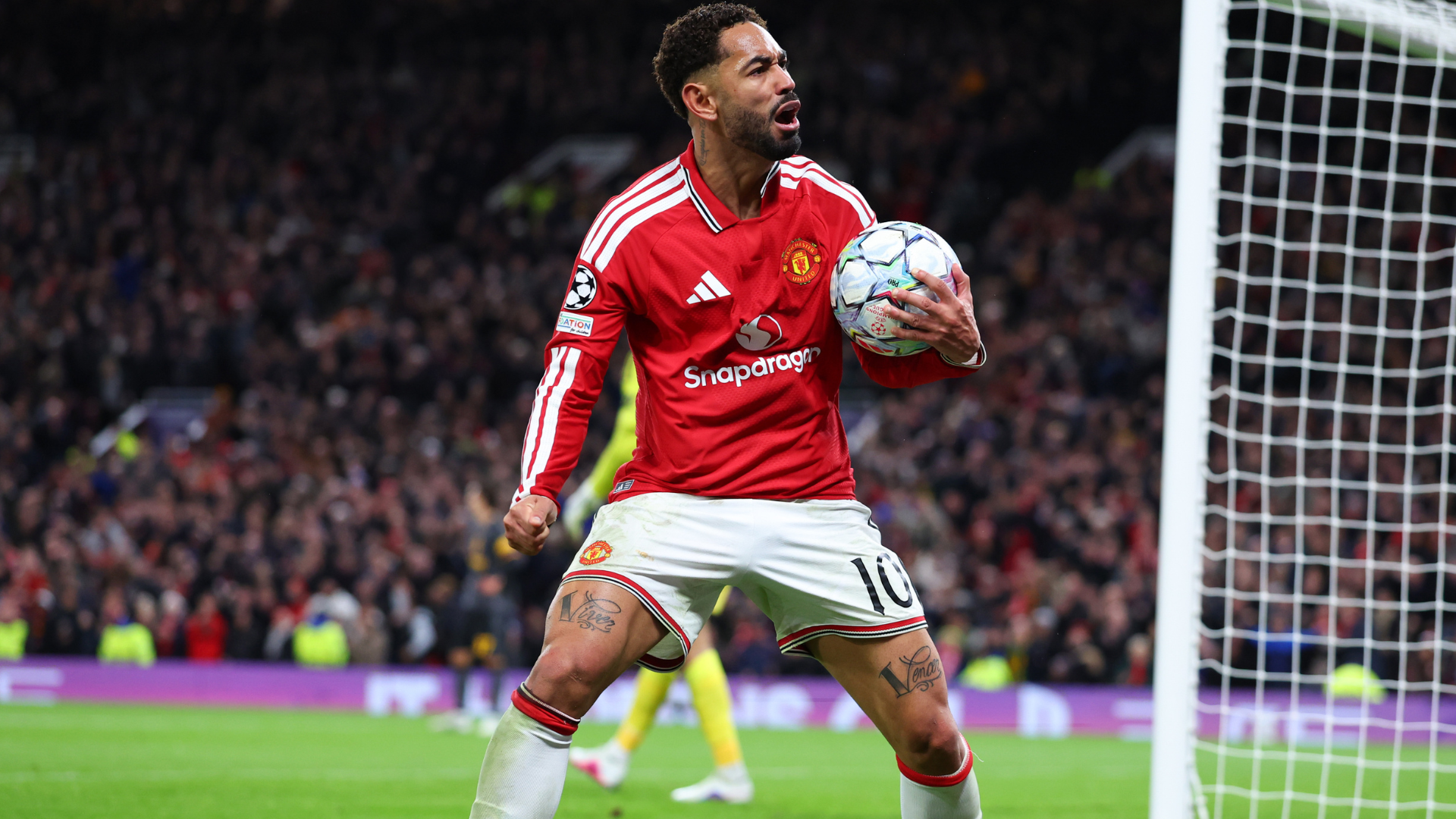
Manchester United stun Roma with three-goal second-half Champions League comeback after dreadful start
Latest
LOCAL ELECTIONS 2026: IEC tightens security amid ballot disruptions, arrests and election intimidation
Canva is announcing changes and layoffs affecting 22 percent of its staff
PAYMENT MODELS: Riding the e-commerce buy now, pay later hype train while it lasts
Champions League expert picks, predictions, best bets: Manchester City aim for turnaround vs. RB Leipzig
2027: Tinubu’s performance enough for his re-election, says education minister Tunji Alausa
Dave Richard's Week 9 Trade Chart and rest of season rankings: Jets, Raiders RBs in flux
NBS: Enugu records lowest ‘tax revenue-to-IGR ratio’
Manchester United stun Roma with three-goal second-half Champions League comeback after dreadful start