What I learned driving the Slate electric truck prototype

If my 45-minute drive yesterday morning is anything to go by, I think Slate Auto will have quite the hit on its hands. The startup had one of its prototype trucks in town and asked if I wanted to check it out—no jumping on a plane or having to spend yet another night in an interchangeable hotel room, just a drive from southwest DC to Rockville, Maryland. Easy-peasy.
The prototype truck had been well-used, with almost 6,000 miles (9,656 km) showing on the small and minimalist but very legible digital display that also shows your speed and, if you engage reverse, the backup camera. And while the cabin layout was representative of the production version, the surfaces most certainly weren’t—the prototype instead uses a lot of hard and shiny black plastic, with strips of Velcro here and there left over from when the interior had to be camouflaged when the vehicle was out in public.
Getting acquainted with the Slate was refreshingly easy. The Morris Marina-like door handles open with a pleasing mechanical action. The seat and steering column adjust manually but with plenty of reach, something many budget models used to leave out to save on cost.
The key fob slots into the dash to turn it on, and there’s a column shifter to select from drive, neutral, park, and reverse. Set your mirrors first—also by hand—and it’s time to go. Visibility from the two-seat cab is good, and even though the Slate is on the smaller side, it’s as tall as most other crossovers at 68 inches (1.7 m), so you still sit relatively high up, certainly compared to a sedan.
I still remember how to use a manual window winder, and the three dials on the dash for making it hotter, colder, and more or less windy inside approach the platonic ideal for car climate controls. Had we needed navigation, a phone mount on the dash would have done the job, but the area they now call North Bethesda is familiar ground from my past life in science policy, and the roads were mostly where I remember leaving them, so I could just concentrate on the drive.
I’d have to describe it as refreshingly simple. That word again, but I can’t help it—the Slate really is the antithesis (in a good way) of so much of what we are being offered by the automotive industry right now, especially here in North America. The steering is direct and well-assisted for the truck’s 4,048 lb (1,836 kg) curb weight, and the suspension controls the body well. It’s easy to maneuver and park. It doesn’t have an especially supple ride, but the De Dion rear axle and coil springs must be able to cope with up to 1,500 lbs (680 kg) of cargo in the bed.
With a zero to 60 mph (97 km/h) time of 8 seconds, acceleration is a little slower than a Chevrolet Bolt. But the instant pickup from the 181 hp (135 kW), 195 lb-ft (264 Nm) motor means it’s still very zippy. Right now, there’s a fixed amount of lift-off regenerative braking and default one-pedal driving. At low speeds, the amount of lift-off regen braking was more aggressive than any other EV I’ve driven recently, bringing the Slate to a halt tens of feet earlier than you initially expect, although this was easy to calibrate my driving to after a few minutes.
Whether it was the black interior or the lack of frills, driving the Slate most reminded me of the few days I spent earlier this summer in Italy with a Fiat Panda rental car. Yes, the Fiat rolled a lot more when cornering. And it kept things even more old-school with a six-speed manual transmission that felt like stirring a bucket of rocks with a rubber spatula (while still adding to the fun). But both share a simple honesty and embrace the utilitarian rather than making any pretentious claims to luxury. And they’re both charming as a result.
Of course, having a compelling product is only part of the challenge for Slate; mass production still needs to happen. As long as the company can pull that off, I think American drivers will like what it’s selling.
 1.
Trump wanted to give No Kings no air. Then, Meta suspended its Instagram.
Related Topics
Keywords
Related Stories
Gemini for Home now plugs into AT&T’s smart security system
AT&T's smart home security system now integrates with Gemini for Home. The company says its Connected Life system is the "first" home security product to integrate with Google Home Premium, enabling a bunch of Gemini-powered features that can summarize home events, search…

Xbox previews two new ways to control cloud games
I revealed yesterday that the new Xbox Nano controller supports a Wi-Fi connection directly to Xbox Cloud Gaming, and now Microsoft is making it official today. Two new Xbox previews will let players try out using a phone as a controller on smart TVs, as well as cloud connect on…

Google’s Pixel 11 phones are up to 27 percent off
You can save a heck of lot of money on Google’s Pixel 11 phones through November 8th, whether you want the best-for-the-least Pixel 11, or the slightly pricier Pixel 11 Pro that takes better photos. Even the big Pixel 11 Pro XL with a longer-lasting battery is hundreds off its…

Nothing teases a screen-free AI device ahead of launch next month
Nothing CEO Carl Pei said in a post on X that the company's launching its first AI device in December. That's just a little over a year after Pei announced plans for "AI-native" devices and an AI operating system. He didn't give away much about what exactly the new device is,…

Top Stories

Trump says Republicans harmed by Iran war, inability to ‘transfer the love’ for him

What's next for the Valkyries? Why Golden State could add star free agent to championship core
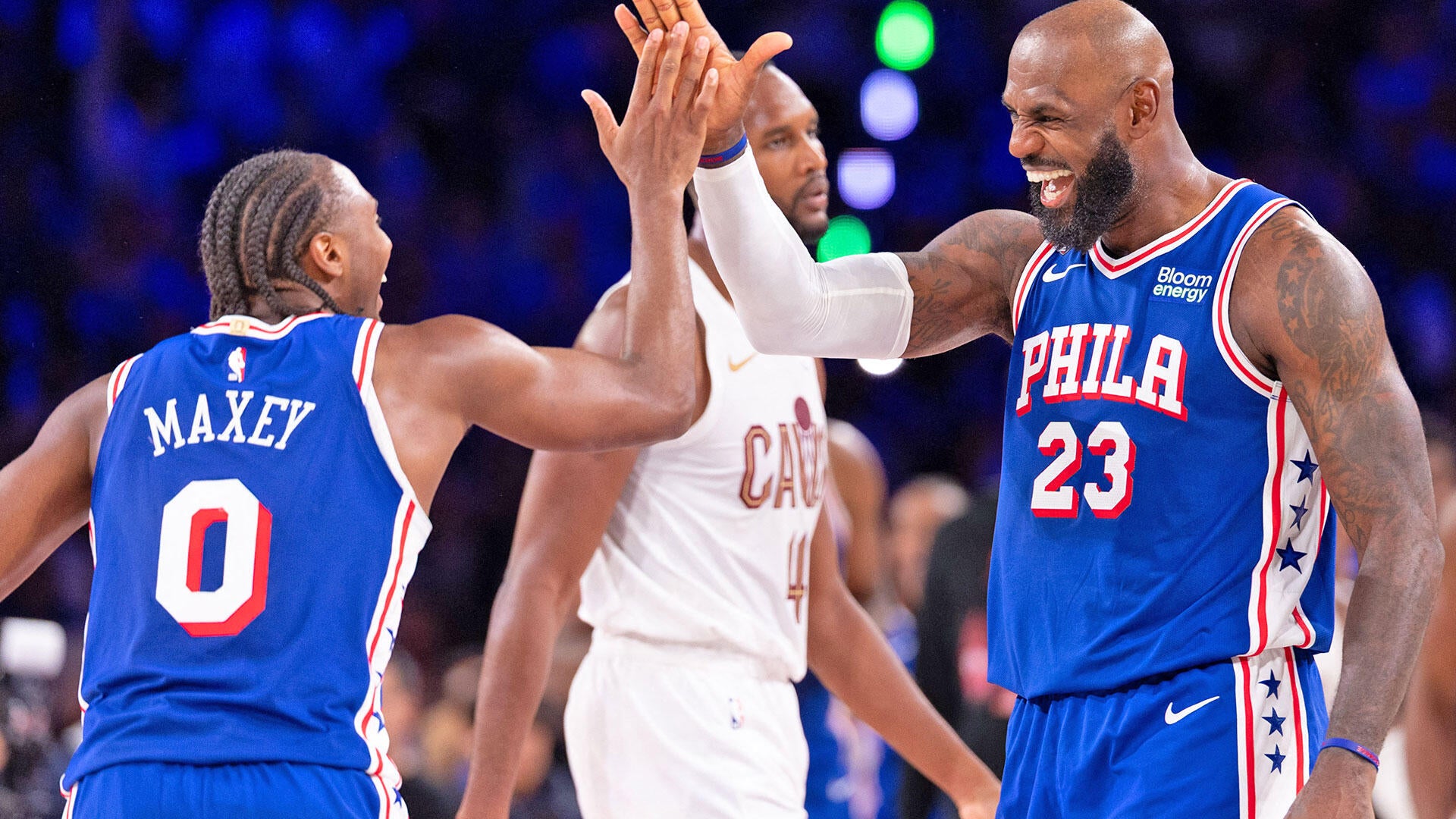
Today's top games to watch, best bets, odds: 76ers at Pistons, Flagg vs. Wembanyama, college football and more

Previewing a Week 10 that could reshape the CFP race as the biggest Saturday yet arrives
Gemini for Home now plugs into AT&T’s smart security system
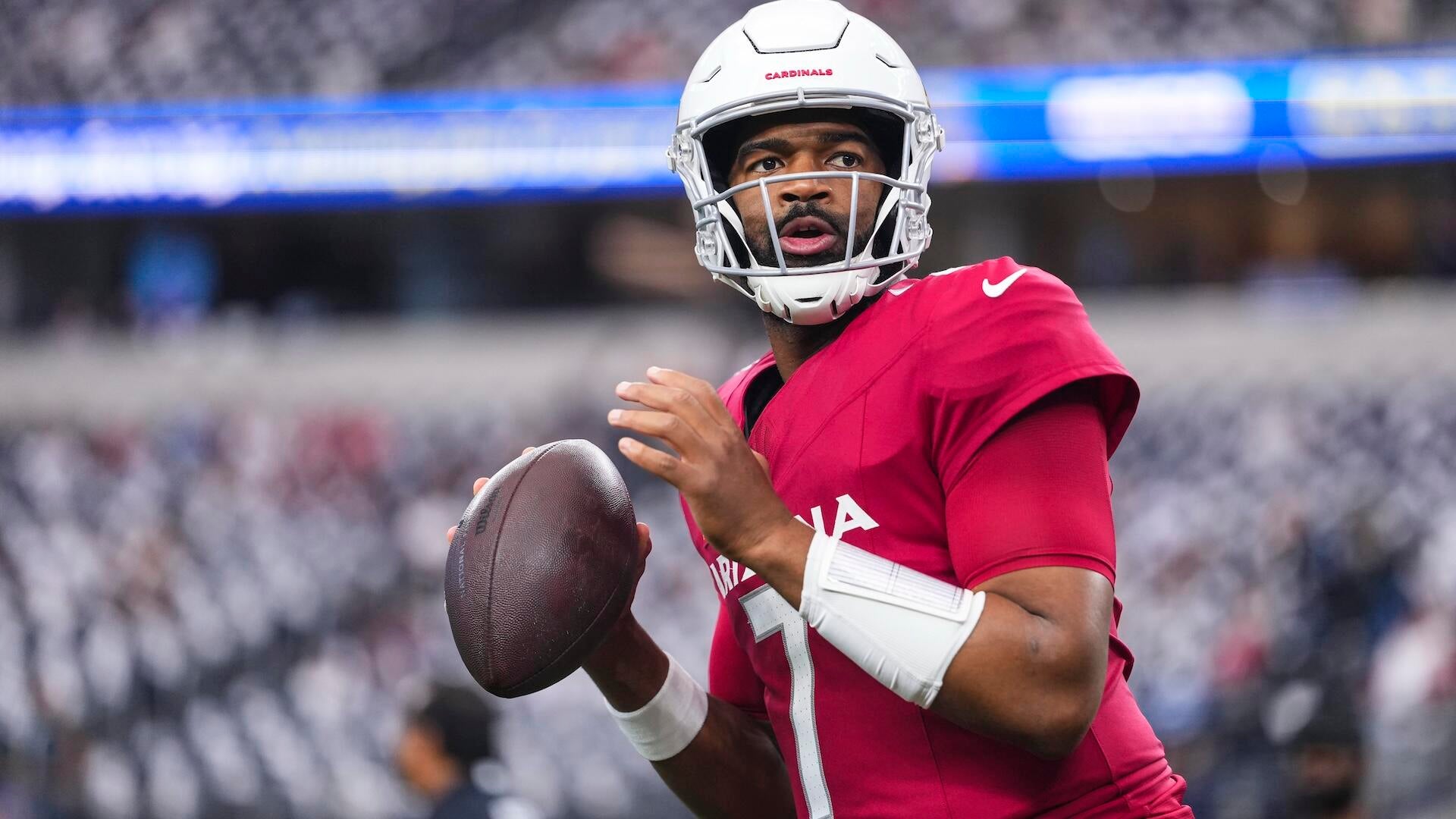
Jacoby Brissett trade: Ravens strike deal for Cardinals QB amid injury crisis

2027: Makinde unveils presidential manifesto, faults leaders over failures

NBA DFS: Top DraftKings, FanDuel daily Fantasy basketball picks for Wednesday, Nov. 4 include OG Anunoby
Latest
Trump says Republicans harmed by Iran war, inability to ‘transfer the love’ for him
What's next for the Valkyries? Why Golden State could add star free agent to championship core
Today's top games to watch, best bets, odds: 76ers at Pistons, Flagg vs. Wembanyama, college football and more
Previewing a Week 10 that could reshape the CFP race as the biggest Saturday yet arrives
Gemini for Home now plugs into AT&T’s smart security system
Jacoby Brissett trade: Ravens strike deal for Cardinals QB amid injury crisis
2027: Makinde unveils presidential manifesto, faults leaders over failures
NBA DFS: Top DraftKings, FanDuel daily Fantasy basketball picks for Wednesday, Nov. 4 include OG Anunoby