Why managers can learn a lot from leaders like Napoleon - Pulis

The November international break is almost upon us, which always means one thing - the managerial merry-go-round is about to properly get into gear.
It's known as 'sacking season' for a reason - the new campaign has started to take shape and I know from experience that any manager who is not winning games will always be sleeping with just one eye closed, and the other one open.
At any club on a poor run of results, the owners and supporters will be questioning whether the manager is the right fit to continue.
This two-week break from domestic games is the ideal opportunity to blood the new incumbent and give them a period of getting to know everyone before the games start up again.
That means it is 'hiring season' too, but there are always far more out-of-work managers than vacant positions.
Since the start of last season, 60 different managers have resigned or been sacked by teams in the Premier League and Football League. Three of them left to take up offers from other clubs but, in total, 37 of them - or 62% - are not currently in management.
For most managers, it's rarely the case where you walk into a new club within a few weeks of leaving your last one, so what do out-of-work managers do between jobs to make sure they are ready to take the next opportunity that fits?
'Get your backside off the sofa'
It is more than 32 years since I received my marching orders from my first job at Bournemouth, who were in what is now known as League One. I was devastated.
I had - as I always did - given everything I could do to benefit the club, and with it being my first sacking I honestly did not know where my next step would take me.
But, on the second day of me being out of work, my home phone rang and at the end of the line was Jim Smith, who was in charge of Portsmouth, a few miles down the south coast.
I knew Jim then, but not really well. I'd been a manager for two years, but by then he had already spent 25 years in the dugout, at eight different clubs.
He asked how I was and, before I could even reply, recited these immortal words, which always stuck with me - "son, you're not a real manager until you get sacked at least three times - so get your backside off the sofa and get on with getting another job" - then he put the phone down!
I've used that sentence myself many times since to managers who have lost their job and are struggling to come to terms with it.
That can happen a lot. People outside the game maybe don't realise how difficult it can be when you are sacked, and how it affects certain individuals differently - you can easily fall off the merry-go-round and, as a manager, you never know for sure whether you will get another chance.
'When you are out of work, you can still learn a lot'
Someone else who phoned me up in the summer of 1994 was another great name in the game as a player and manager, Bruce Rioch.
At the time, Bruce was having a lot of success as manager of Bolton - he would get the Arsenal job a few months later - and he asked me if I would scout for him while I was trying to find my next manager's post.
He was very keen to get me involved and very helpful in keeping me busy watching games.
I was equally keen on helping Bruce and ended up scouting for him for that entire season. To this day, I owe him so much in respect of what he asked me to do, because of what I learned during that time.
Football is the best team sport in the world and the fundamental thing I picked up that season is that its 'product', the players, were the secret to success.
By that, I mean that I realised that at all levels there are good players, and at all levels there are managers working on budgets. I learned that knowing the level you were at, and placing the right players at that level who you could afford, would be an enormous factor in your chances of success, or failure.
Yes, there is more to it than that - you then also had to pick good characters, coach them well and motivate them with a driving force they could handle and enjoy - but you have to start by getting the right players for the level you are at.
The following summer, I was appointed manager of Gillingham, who had just finished 89th out of the 92 clubs across the top four divisions.
I was lucky enough to inherit a club who had quite a few players out of contract, so it enabled me to reset the first team with several players I had watched during my time scouting for Bruce and Bolton.
All the hours and miles I travelled that year paid off, with Gillingham finishing second in what is now League Two and gaining promotion in my first season. Those players who we recruited kick-started four years of my managerial career in Kent, and left me with some fantastic on-field memories.
'Napoleon Bonaparte kept me busy'
My time and success at Priestfield opened up an ever-revolving door of work and rest.
Whenever I was out of work in the years that followed, watching games still occupied my midweeks and weekends for the same reasons as before - I wanted to watch players who I might end up signing.
Lots of games I went to were watched from the terraces with either home or away supporters, which was always interesting and illuminating - I've always valued the views of match-going fans on different players.
Down the years, I was also invited to spend a few weeks coaching abroad, in Kuwait and the United States, by friends I had in the game.
Whatever I was doing, I always felt like I was learning, and not just by watching football around the world. I became an avid reader of sports books and also finding out about great leaders of men through history.
So, as well as visiting Bayer Leverkusen, Athletic Bilbao and RB Leipzig - who back then had only just started their rise from the bottom tier of German football - I would analyse and investigate historic battles or events.
Napoleon Bonaparte really kept me busy. His attention to detail and his command of his generals was only superseded by his troop's loyalty to him - they would literally die for him!
His 250th birthday was celebrated in Corsica in the summer of 2019, and a French newspaper invited me to go along and give a British perspective on how we see Napoleon as a leader and a person.
I was delighted to accept and was amazed by how many people from all over Europe turned up too.
Hated by many countries, but still adored by his followers, Napoleon also produced the Napoleonic Code, which is still the foundation of French civil law today.
'It's better to be in a job than out of football full-stop'
As well as great military triumphs, I studied defeats too - they are as much a part of football management as victories, after all - and you can compare the organisational brilliance of Napoleon to the disaster of the Battle of Balaclava and the Charge of the Light Brigade.
One summer, I travelled out to Crimea to witness the scene of that tragic charge by the bravest of brave men.
Lord Raglan, the British commander-in-chief, was based on the high ground and could see everything in the Russian positions and the brigades.
His order to attack was ambiguous and although Lord Cardigan, who led the charge, questioned it, he still followed it through - leading to one of the most infamous military disasters in history.
It should never have happened but, just as in football, leadership and communication from the top was key. The instructions were passed down from Raglan to Lord Lucan to Cardigan and became garbled - too many cooks, in my opinion!
The last book which really stuck with me, in terms of inspiring me as a leader, was the story of HMS Endurance - disaster strikes during a journey through the ice fields of the southern hemisphere when the ship becomes stuck.
I cannot do justice to the deeds of Sir Ernest Shackleton in this column but his leadership of his men, along with his number two Frank Worsley, was extraordinary.
Both dovetailed in a way that gave their men the energy, desire and determination to believe and follow instructions in the most appalling conditions, never once questioning their leaders' abilities to help them survive.
Over the years, I've never stopped reading about, or watching, great leaders like that - there is so much that young coaches can learn from other sports or history that will benefit then, the same way it did me.
Going to games was still the most important thing when I was between jobs, because I would always believe my own eyes when watching players.
There were times when that became more of a challenge, especially at the back end of my career, but times change and if you are not in tune with what is happening in the game then you can get dropped very quickly.
But I am sure that most of my managerial compatriots would also agree with me that experience in all walks of life can be invaluable.
I learned so much when I was out of work, about all aspects of leadership, individually and collectively.
My advice to managers out of work now is the same that I received from Jim, all those years ago - pick yourselves up and get off the sofa to get back in work as quickly as possible.
You should never be afraid of dropping down a level the way I did, too. It is better to get a job, any job, than be out of football full-stop. That hasn't changed since my day, either.
Tony Pulis was speaking to BBC Sport's Chris Bevan.
Related topics
Keywords
Related Stories
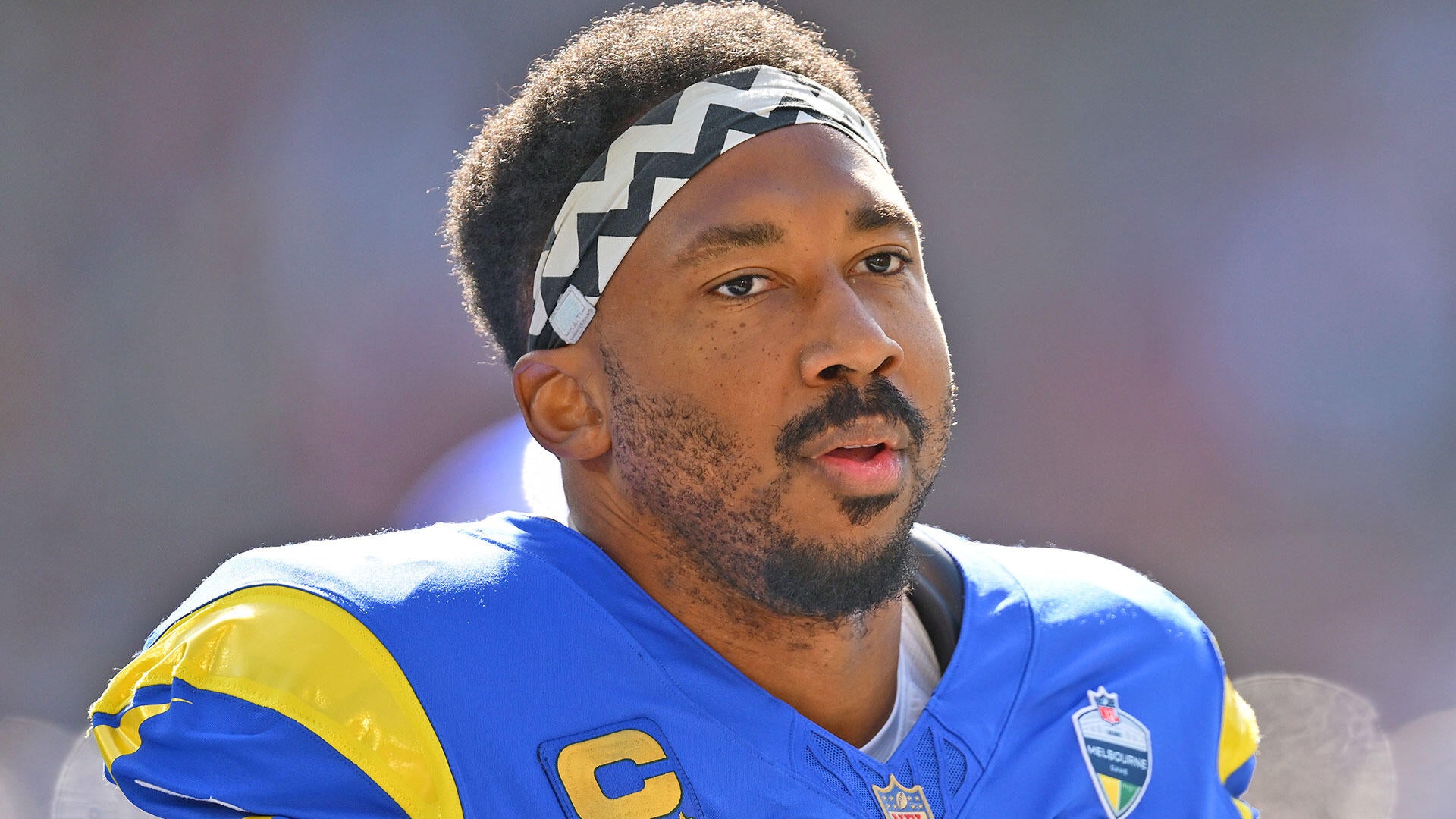
Myles Garrett on track to be activated ahead of Rams Week 9 matchup vs. Commanders
Los Angeles could be getting its star pass rusher back
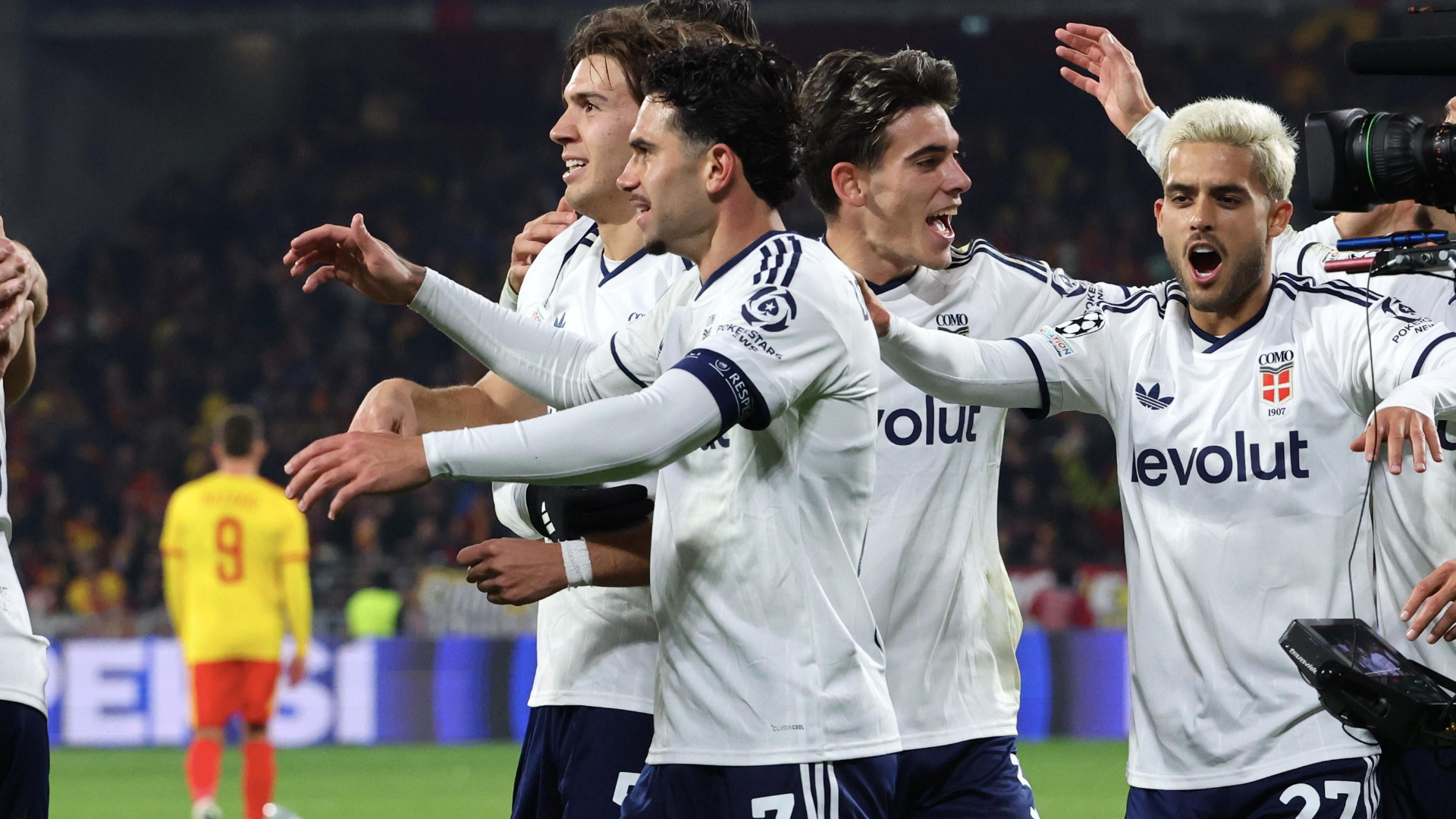
How to watch Serie A: Inter face Como at San Siro after disappointing defeat against AC Milan
Cristian Chivu's squad must slow down a soaring visitor, while Massimiliano Allegri fights for his Napoli job against Lazio ahead of the international break
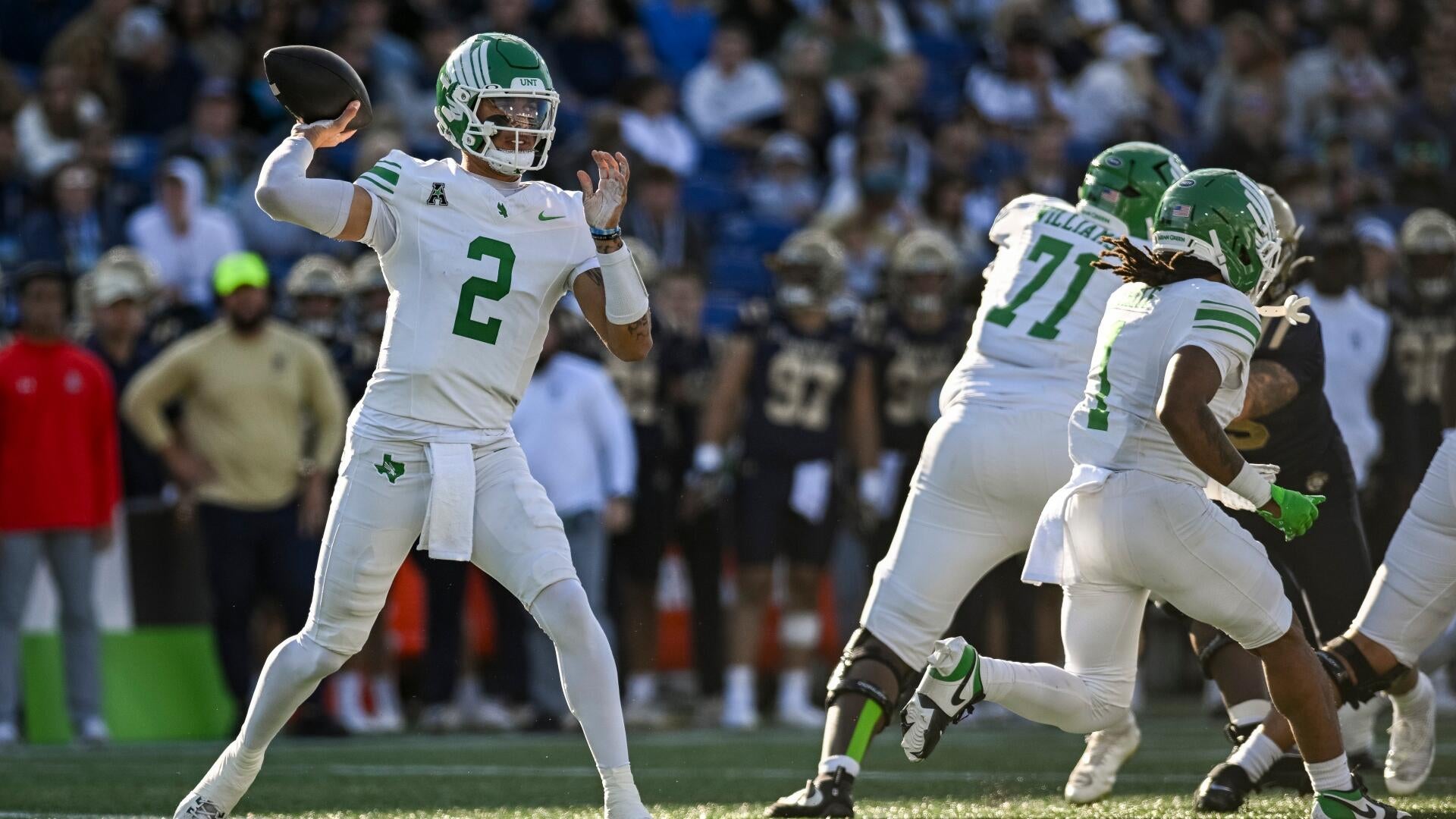
He's been benched, replaced and pushed out. Now North Texas' Tayven Jackson is of the nation's top QBs
After generating zero starting interest in the portal last winter, the four-school journeyman has powered the Mean Green to a 6-2 start while ranking third nationally in passing yards and tossing 22 touchdowns
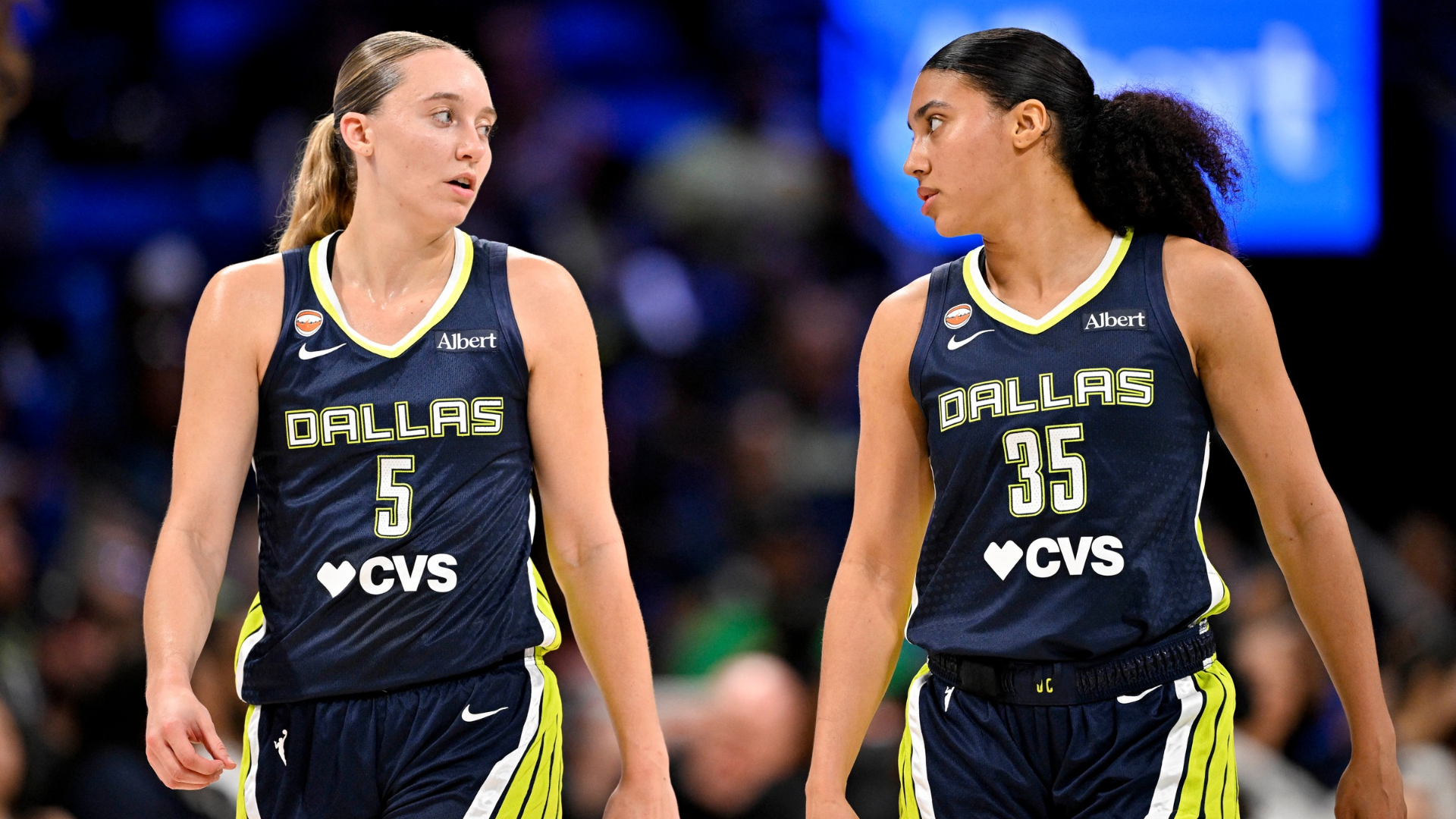
Wings teammates Paige Bueckers, Azzi Fudd announce breakup, reveal split happened 'over a year' ago
Bueckers and Fudd began a relationship as college teammates before going No. 1 overall to the Wings in consecutive WNBA drafts
Top Stories
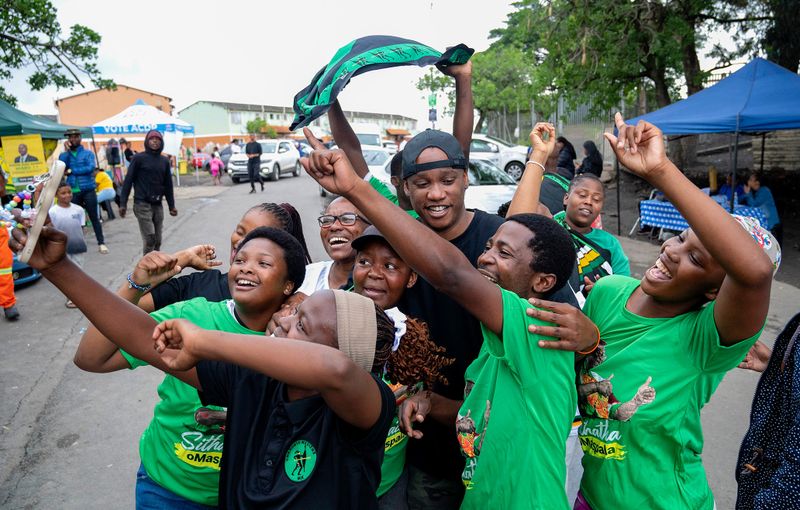
LOCAL ELECTIONS 2026: MK party takes four KZN municipalities from ANC as governance test looms
Election fraud case lodged, party demands all Western Cape votes be recounted

All the latest updates on AI data centers

Shure’s popular podcasting and streaming mic is almost $50 off
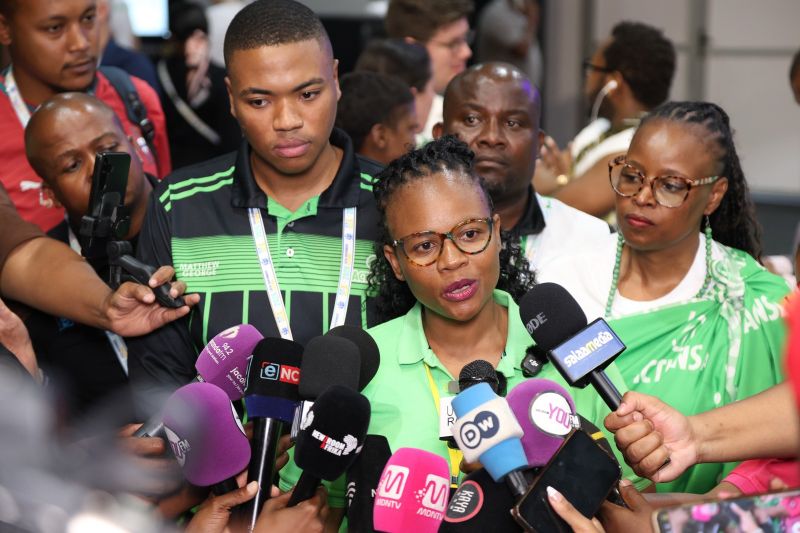
LOCAL ELECTIONS 2026: ActionSA surges in Gauteng metros, taking ANC wards — see where
Myles Garrett on track to be activated ahead of Rams Week 9 matchup vs. Commanders

AI stocks climb after trillions wiped from market values
How to watch Serie A: Inter face Como at San Siro after disappointing defeat against AC Milan
Latest
LOCAL ELECTIONS 2026: MK party takes four KZN municipalities from ANC as governance test looms
Election fraud case lodged, party demands all Western Cape votes be recounted
All the latest updates on AI data centers
Shure’s popular podcasting and streaming mic is almost $50 off
LOCAL ELECTIONS 2026: ActionSA surges in Gauteng metros, taking ANC wards — see where
Myles Garrett on track to be activated ahead of Rams Week 9 matchup vs. Commanders
AI stocks climb after trillions wiped from market values
How to watch Serie A: Inter face Como at San Siro after disappointing defeat against AC Milan