You really need to be thinking more about your skeleton — before it’s too late

Your skin tends to steal the spotlight in the summer — it needs a lot of SPF and TLC to stay healthy.
But don’t forget about your bones! Regardless of the season, bone health is often overlooked until it’s too late.
Building a strong skeleton is important for protecting organs, storing essential minerals and, quite literally, keeping you upright.
As we age, declining hormone levels accelerate bone breakdown, increasing the risk of bone-related conditions such as osteopenia and osteoporosis. Porous and brittle bones can easily lead to fractures, especially among older adults.
“Bone loss is the silent disease,” Dr. Hazim Moustafa, a primary care sports medicine physician at Catholic Health, told The Post. “And we say that because usually there are no obvious, visible signs until it becomes more advanced.”
Moustafa shares who is most at risk for significant bone loss — and how to head it off.
Peak bone mass is earlier than you might think
Reaching your greatest bone density — when your skeleton is at its strongest and densest — happens sooner than you might expect.
“Most of our peak bone mass is really occurring in our late teens and early 30s,” Moustafa said. “Once we get into our mid- to late-30s and we progress through life, our bone mass usually starts to drop off.”
Puberty triggers a surge in hormones and growth factors that fuel rapid bone development. As puberty ends, the growth plates at the ends of long bones harden into solid bone and the skeleton stops expanding.
The time when you should start caring about bone loss
“A lot of people think that when they’re entering their 30s … they have a lot of time left. They have their 40s, their 50s to worry about this,” Moustafa said.
Yet the late-20s and early-30s are when people tend to become “more career-oriented or family-oriented. They’re not spending as much time in the gym,” he added. “They’re not spending as much time doing physical activity, and that’s really when this process starts.”
Instead of waiting until middle age, you should focus on incorporating strength training into your routine and eating healthfully in your late-20s and early-30s.
Signs you’re losing bone mass
Bone loss doesn’t often spur early symptoms, but there are some subtle indicators of problems afoot.
Calcium is key to building and maintaining strong bones. Vitamin D, also known as “the sunshine vitamin,” enables your body to properly absorb calcium from food.
Deficiencies in these two nutrients drive bone loss — and they’re easy to detect with blood tests.
“In our patient population in New York, where a lot of our patients are indoors, there is a little bit of an increased risk of vitamin D deficiency,” Moustafa said.
You may be tempted to undergo a bone density scan — a popular feature at longevity clinics — but health organizations tend to primarily recommend these screenings to postmenopausal women, the group most at risk for rapid bone loss. “If you have high risk, then definitely it’s worth doing,” Moustafa said of the scans.
“But if you’re a relatively [healthy] person, then the information that you’re going to get from that is likely not going to be that beneficial because most of the time [osteoporosis] is a process that takes many, many years.”
Older adults, meanwhile, might experience a loss of height, a rounded, hunched back, a lengthy recovery from injuries and a propensity for fractures, which is an advanced sign of bone disease.
Groups most at risk for significant bone loss
Postmenopausal women are the highest-risk group for osteoporosis because a steep drop in estrogen causes bone resorption to outpace bone formation.
Age-related loss of skeletal muscle mass — a condition known as sarcopenia, which affects both sexes — is also tied to osteoporosis.
“I always say to my patients, if you’re not actively moving and using your muscles, then you’re losing it, especially as you get older,” Moustafa said.
Other at-risk groups:
Strategies to stave off bone loss
“Bone loss is not inevitable,” Moustafa assured.
“Bone loss is something that we can easily prevent, and the first way that we can prevent [it is by] living a very healthy lifestyle. That means staying away from things that we know can decrease bone density … like smoking, inactivity or a sedentary lifestyle, poor nutrition.”
Prioritize protein-rich diets because protein provides structural skeletal support.
Next, it’s important to do resistance training and weight-bearing exercises to maintain muscle mass and bone density. Think jumping jacks, squats and deadlifts because stress and tension stimulate bone-building cells.
Moustafa said calcium and vitamin D supplements can help if you’re deficient, but there’s no “magic pill” to prevent or reverse bone loss.
“I wish I could answer that there was some kind of secret sauce or shortcut,” Moustafa said. “Just like with anything in life, the best treatment and the best answer is, really, it takes time.”
Keywords
Related Stories
Russian strikes cut power to thousands in Ukraine as Kherson ceasefire ends
A rare humanitarian ceasefire allowed civilians to evacuate the Russian-occupied city of Oleshky.

Democrat endorses Republican candidate in key Michigan Senate race as party spat escalates
Haley Stevens, who lost out on the Democratic Senate nomination to Abdul El-Sayed, endorses his opponent days before the vote.

Armed police start patrols in Sydney after Bondi Beach attack
The new police unit is a security measure in response to last year's deadly shooting attack at a Hanukkah festival.

Lindsay Clancy is back in court - where will her case go next?
The Massachusetts mother, accused of murdering her three children, is expected back in court as she awaits a decision on whether her case will be retried.

Top Stories
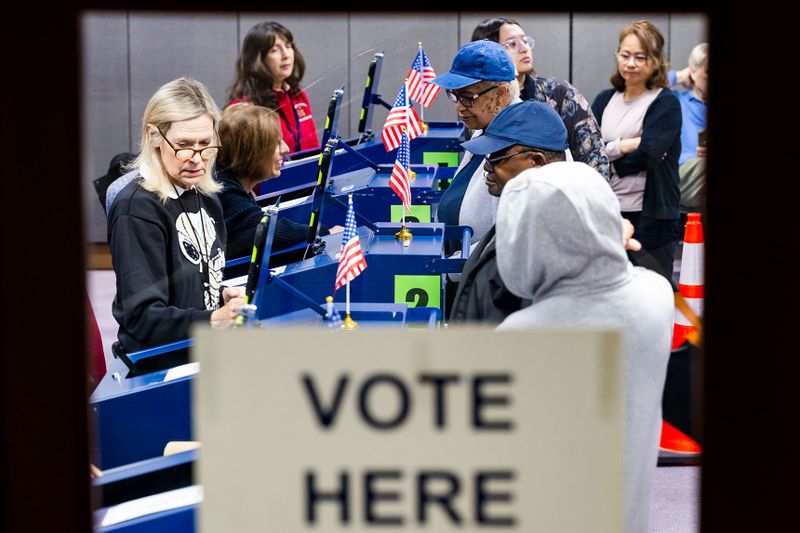
CONGRESS IN THE BALANCE: A blue tsunami, a tide, or chaos as usual — the US midterm election

'We've got big problems' - Hamilton says Ferrari need 'serious talks'

Detroit linebacker Campbell taken to hospital with neck injury
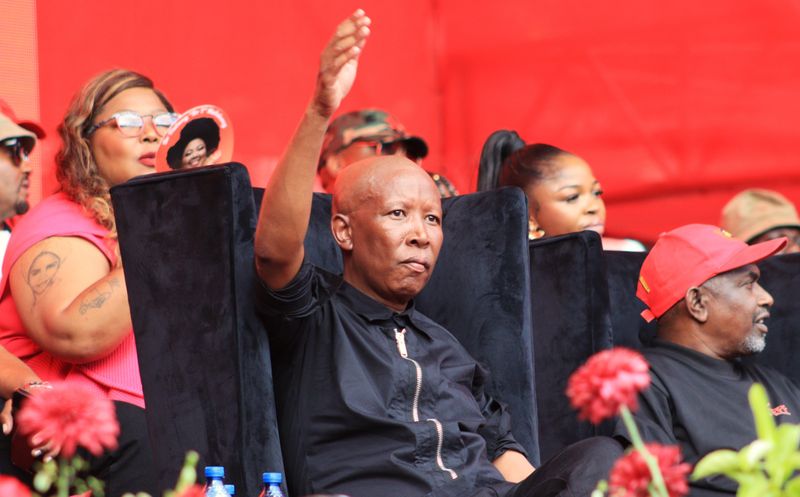
DIVISIVE WORDS: ‘We never called for literal killing’ — Malema appeals for farm killings to stop.

Antonelli becomes world champion as Verstappen wins in Mexico
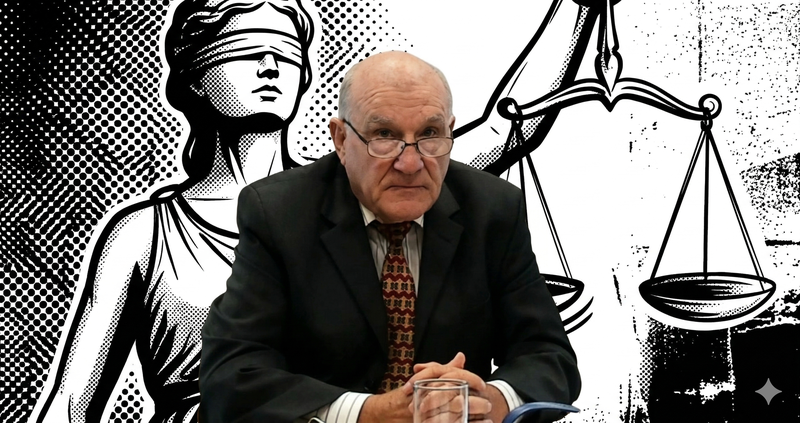
TRC ROULETTE : Victims’ families place key hidden evidence before Khampepe inquiry
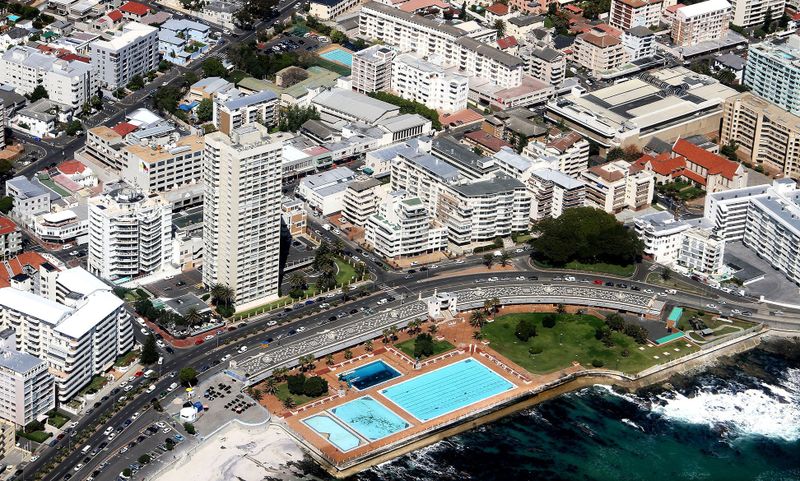
REAL ESTATE & GOVERNANCE: How SA property prices reflect municipal service delivery
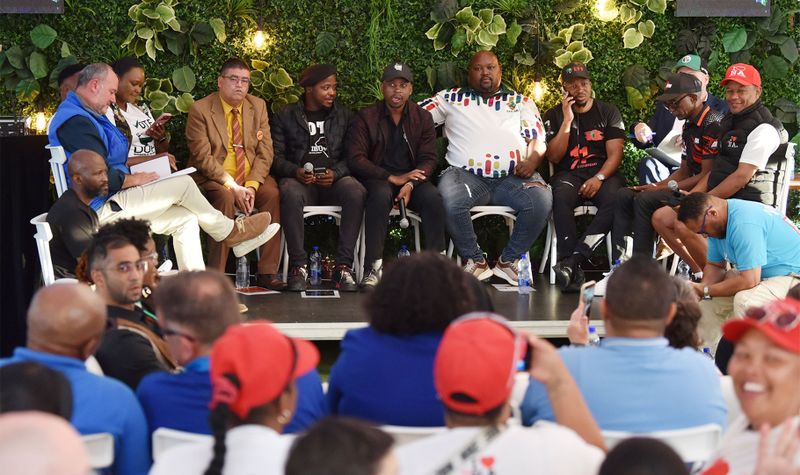
LOCAL ELECTIONS 2026: Thirteen mayoral candidates, plenty of blame and a crowd of fed-up residents
Latest
CONGRESS IN THE BALANCE: A blue tsunami, a tide, or chaos as usual — the US midterm election
'We've got big problems' - Hamilton says Ferrari need 'serious talks'
Detroit linebacker Campbell taken to hospital with neck injury
DIVISIVE WORDS: ‘We never called for literal killing’ — Malema appeals for farm killings to stop.
Antonelli becomes world champion as Verstappen wins in Mexico
TRC ROULETTE : Victims’ families place key hidden evidence before Khampepe inquiry
REAL ESTATE & GOVERNANCE: How SA property prices reflect municipal service delivery
LOCAL ELECTIONS 2026: Thirteen mayoral candidates, plenty of blame and a crowd of fed-up residents