Zambia Heads Into a Record 26-Candidate Election as Hichilema Seeks a Second Term
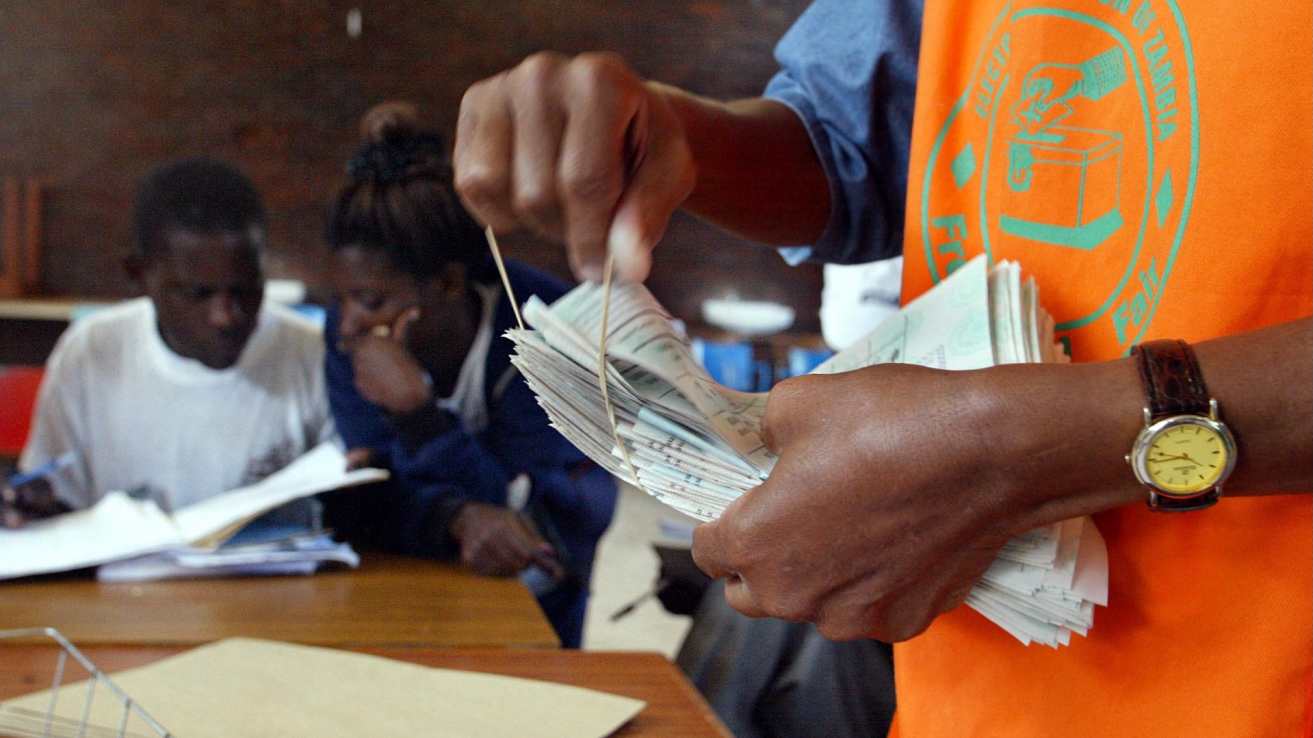
Zambia's democracy faces its next great test on August 13, when voters choose a president, parliament and local councils in an election that has drawn a record 26 presidential hopefuls — and raised uncomfortable questions about whether one of Africa's celebrated democratic success stories is beginning to fray.
President Hakainde Hichilema, elected in 2021 in a landmark opposition victory, seeks a second term from a position of apparent strength. An opinion survey led by a University of Zambia demographer put him at 60 percent against a combined 35 percent for the opposition, and his government can point to reduced inflation and improved growth after steering the country through a punishing debt restructuring.
Yet the campaign unfolds under a cloud of controversy. In December, Hichilema signed constitutional changes expanding the National Assembly from 167 to 280 seats — a move the president says will improve service delivery to a growing population, but which critics read as an attempt to entrench his UPND party's control. The dispute has fed a broader anxiety among civil-society groups about the direction of Zambian democracy.
For ordinary Zambians, the ballot-box calculus is more immediate. Surveys show voters prioritising the rising cost of living, unemployment and unreliable electricity — the daily grind of an economy that has stabilised on paper but not yet in most households. Macroeconomic recovery that citizens cannot feel has undone incumbents across the continent.
Zambia has twice transferred power peacefully to the opposition, a record few of its neighbours can match. Whether August's vote burnishes that legacy or erodes it will resonate well beyond the country's borders, in a year when African democracy is being tested from Dar es Salaam to Kampala.