AA backs plan to phase out fuel levies
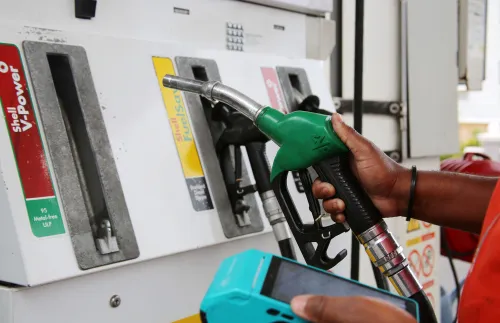
AA calls for fuel levy phase-out and public review of pricing formula.
The Automobile Association (AA) has backed Finance Minister Enoch Godongwana’s proposal to phase out fuel levies, while calling for a public review of the basic fuel price formula and a new funding model for the Road Accident Fund (RAF).
The call follows comments made by Godongwana during a recent interview on 702, where he said the general fuel levy generates about R80 billion in revenue and that the government needed to find a way to phase it out.
He also called for a new insurance model for the RAF that would no longer rely on the levy.
“This is a long overdue and welcome call,” said AA CEO Bobby Ramagwede.
“Fuel taxes land on everyone who moves: the commuter in a taxi, the business running a fleet, and the worker who pays to get to the job that pays for the journey.”
The AA said the general fuel levy of R4.29 per litre, the RAF levy of R2.25 and two smaller duties add R6.58 to every litre of petrol. At October’s record inland price of R30.25 per litre for 95-octane unleaded petrol, these charges accounted for more than a fifth of the pump price.
A motorist filling a 50-litre tank pays approximately R329 in levies, while a company operating 100 petrol vehicles, each filling up once a week, could pay about R1.7 million annually.
The association said the tax burden affected households, commuters and businesses, arguing that fuel prices should be examined beyond temporary government interventions.
The latest proposed relief follows a second round of temporary fuel levy cuts announced in the Medium-Term Budget Policy Statement on October 21.
From November 4, the general fuel levy will be reduced by R1.50 per litre for petrol and R3 per litre for diesel until December 1. The reductions will then decrease to R1 per litre for petrol and R1.50 for diesel until January 5, 2027.
The government will fund the relief by returning R10 billion previously transferred to the Central Energy Fund.
However, the AA warned that temporary reductions offered limited certainty for consumers and businesses, particularly as the cuts would be scaled back during the December holiday period before expiring in January.
It also called for a public review of the basic fuel price formula, which determines the largest single component of the price motorists pay at the pumps. The formula reflects the estimated cost of purchasing fuel on international markets and transporting it to South Africa. It is set by the Department of Mineral and Petroleum Resources.
“The government should remove the levies the minister has named, and review the basic fuel price formula in public,” Ramagwede said.
“I still think there is room for efficiency at the basic fuel price level. A public review is how we find it.”
Godongwana has acknowledged that phasing out the general fuel levy would leave the government with an estimated R80 billion revenue shortfall, raising questions about how the gap would be funded.
Ramagwede argued that the government should focus on how public funds are spent and allocated rather than relying predominantly on revenue collection.
“I have long held the view that the problem is not revenue collection. It is expense management and budget allocation,” he said. “Our fiscus is porous. That needs to be fixed if we want interventions like this one to succeed.”
The AA also called for a fundamental change to the RAF funding model, arguing that road safety improvements and compulsory third-party motor insurance could provide a more sustainable alternative to the existing levy.
The RAF levy currently funds compensation for people injured in road crashes and the families of those killed. Godongwana said removing the levy alone would result in a significant reduction in fuel prices.
However, Ramagwede argued that the government should address the underlying causes of road crashes, including poor road user behaviour, deteriorating infrastructure and unsafe vehicles, to reduce the number of claims the fund must cover.
“We do not need a central fund to cater for road injuries. We need to deal with the root causes: poor road user behaviour, decaying infrastructure and questionable vehicles,” he said.
“Improve those, and the state carries less of the cost of compensating the people hurt in crashes.”
He added that compulsory third-party motor insurance, which is used in many developed economies, should replace the current RAF levy-based funding model.
The AA is calling on the government to remove the general fuel levy and RAF levy, publicly review the basic fuel price formula, improve public spending and allocation, strengthen road maintenance and vehicle safety, and introduce compulsory third-party motor insurance.
“Every levy on a litre of fuel is a choice somebody made, and the cost lands on the person who can least carry it.
“I am not asking the government to be generous. I am asking it to be accurate about who is paying,” said Ramagwede.
Keywords
Related Stories
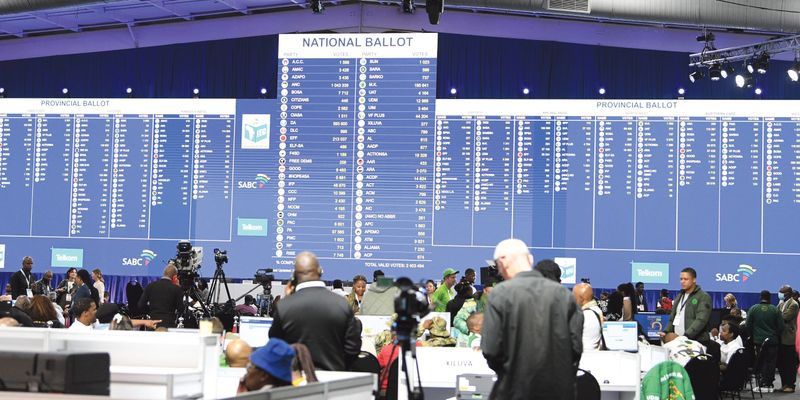
LOCAL ELECTIONS 2026: What happens after the vote? Councils, coalitions and (maybe) controversies
When voting in the 4 November local government election is completed, if the pollsters have been proven correct, coalitions will dominate across South Africa’s 257 councils, including most of the eight metros. Here’s what happens once the voting ends and the stations close.
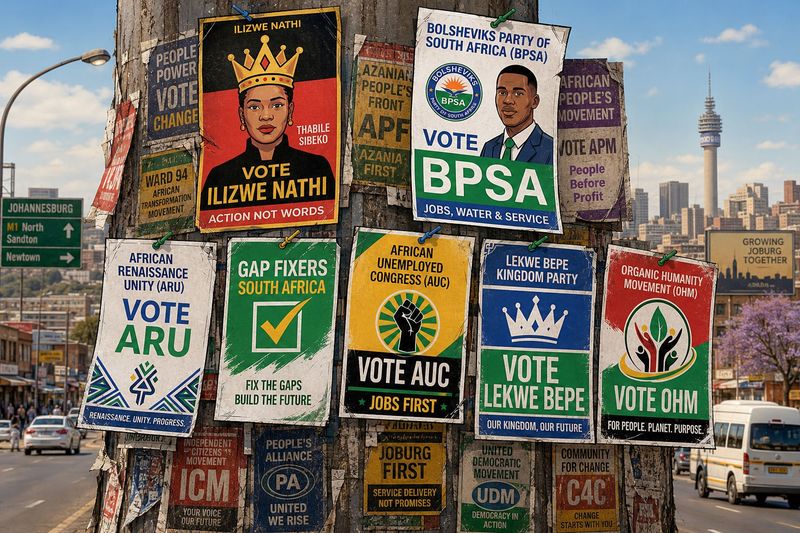
OUR CITY NEWS: Eighty-three parties contest crowded Joburg local government elections
Johannesburg is the most contested municipality in SA’s local elections. Here are some of the 83 political parties in the running that you probably haven’t heard of.
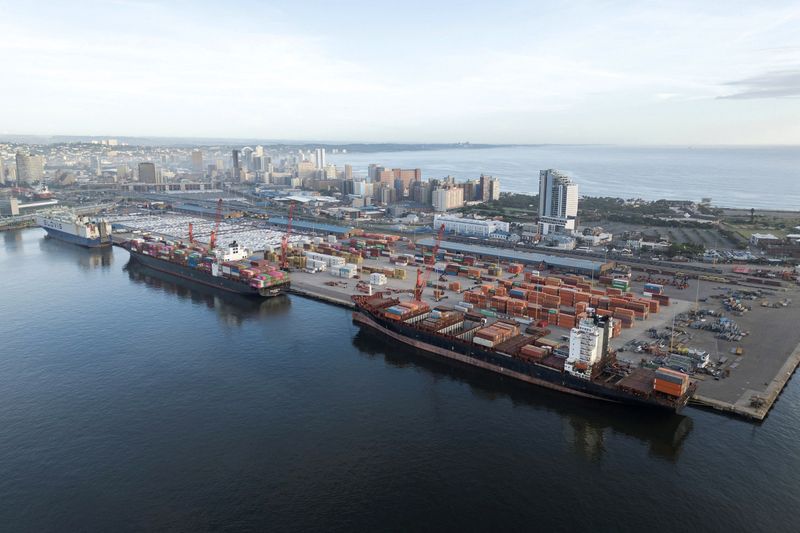
Troubled port: Transnet and foreign operator face scrutiny over backlog at Durban Gateway Terminal
The freight sector and the President are concerned about the serious slowdown of cargo at Durban harbour, but the status of Durban Gateway Terminal as a public-private partnership muddies the waters of accountability.
BUSINESS REFLECTION: Crossed Wires: The internet’s technical debt is due, and we can’t pay
From hospital equipment to bank mainframes, outdated technology is leaving critical infrastructure exposed as AI lowers the barriers to cybercrime.

Top Stories
LOCAL ELECTIONS 2026: What happens after the vote? Councils, coalitions and (maybe) controversies
OUR CITY NEWS: Eighty-three parties contest crowded Joburg local government elections
Troubled port: Transnet and foreign operator face scrutiny over backlog at Durban Gateway Terminal
BUSINESS REFLECTION: Crossed Wires: The internet’s technical debt is due, and we can’t pay
Investment Outlook: Did Datatec catch an AI tailwind or is it a breeze?

Okorocha chasing shadows, Uzodimma says, vows to appeal court judgement
POLITICIANS PUMMELLED: SA’s path to ‘no future’ — former statistician-general Lehohla slams ‘performative’ politics

ANALYSIS: New mayors beware — SA’s local government revolt is waiting for a spark
Latest
LOCAL ELECTIONS 2026: What happens after the vote? Councils, coalitions and (maybe) controversies
OUR CITY NEWS: Eighty-three parties contest crowded Joburg local government elections
Troubled port: Transnet and foreign operator face scrutiny over backlog at Durban Gateway Terminal
BUSINESS REFLECTION: Crossed Wires: The internet’s technical debt is due, and we can’t pay
Investment Outlook: Did Datatec catch an AI tailwind or is it a breeze?
Okorocha chasing shadows, Uzodimma says, vows to appeal court judgement
POLITICIANS PUMMELLED: SA’s path to ‘no future’ — former statistician-general Lehohla slams ‘performative’ politics
ANALYSIS: New mayors beware — SA’s local government revolt is waiting for a spark