Al-Shabaab Claws Back Ground as Somalia's Hard-Won Security Gains Unravel
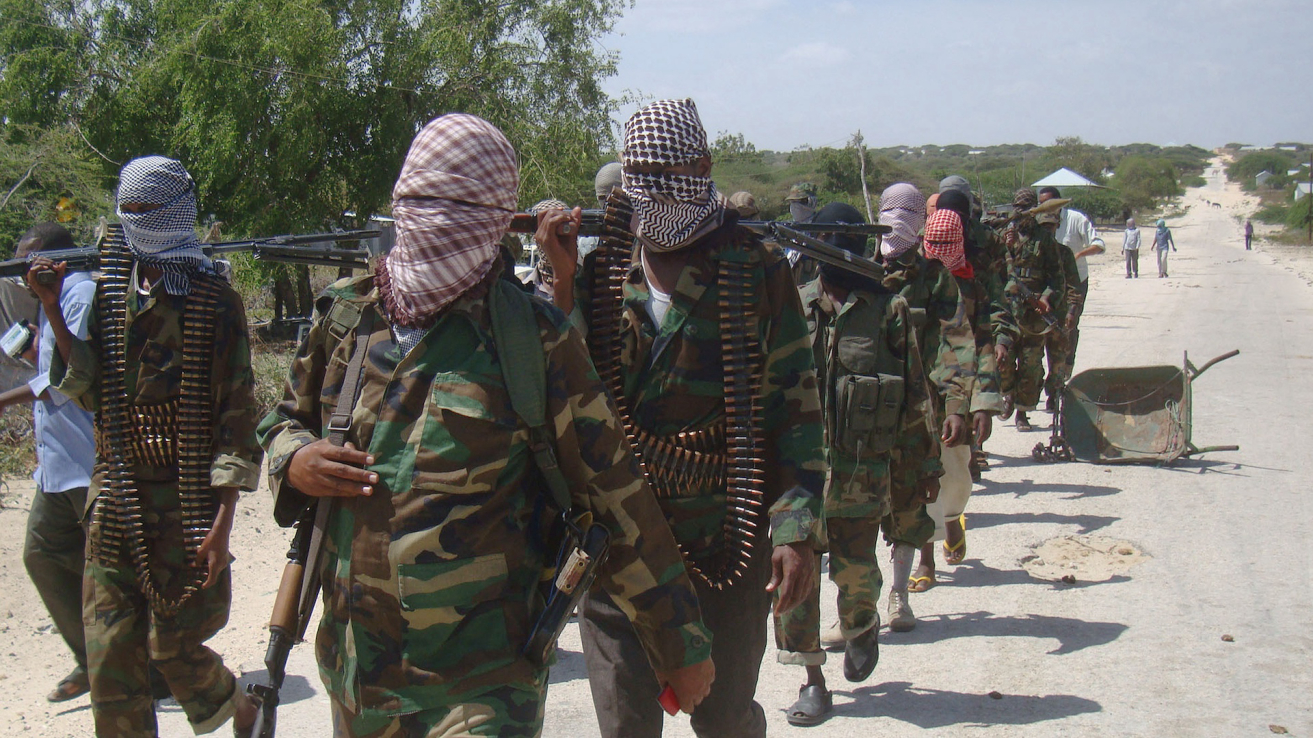
Years of hard-fought security gains in Somalia are unravelling. Al-Shabaab, the al-Qaeda-linked militant group, has retaken at least five districts across the Lower Shabelle and Middle Jubba regions, exploiting security gaps left by the drawdown of African Union peacekeeping forces that had helped push the group back in years past.
The resurgence has been punctuated by violence in the capital itself. A wave of bombings struck Mogadishu between October 2025 and March 2026, including an attack near the international airport in February that killed more than 30 people — a stark demonstration that the group retains the capacity to strike at the heart of government-held territory.
Politically, Somalia is no better positioned to respond in unity. A government attempt in mid-June to bring the opposition into dialogue over a shared roadmap collapsed after states including Jubaland and Puntland, along with opposition figures, boycotted the talks, citing concerns that the process lacked inclusivity and transparency. That fracture leaves the government facing a resurgent insurgency without the broad political backing that a unified response would require.
The human toll is severe. An estimated 1.85 million young children faced acute malnutrition between mid-2025 and mid-2026, including hundreds of thousands at risk of the most severe form, and Al-Shabaab has been held responsible for the overwhelming majority of verified violations against civilians.
With elections approaching and the security situation deteriorating, Somalia faces a familiar but no less dangerous convergence of threats: a resurgent insurgency, a fractured political class and a humanitarian crisis all worsening at once. Reversing the recent gains for Al-Shabaab will require exactly the unity and international support that currently appear in short supply.





%2Fhttps%253A%252F%252Fmedia.afrik-foot.com%252Fen-ng%252F2026%252F03%252Fimago1040127043.jpg)