Foreign Investment and Short-Term Rentals Fuel Cape Town's Housing Crisis
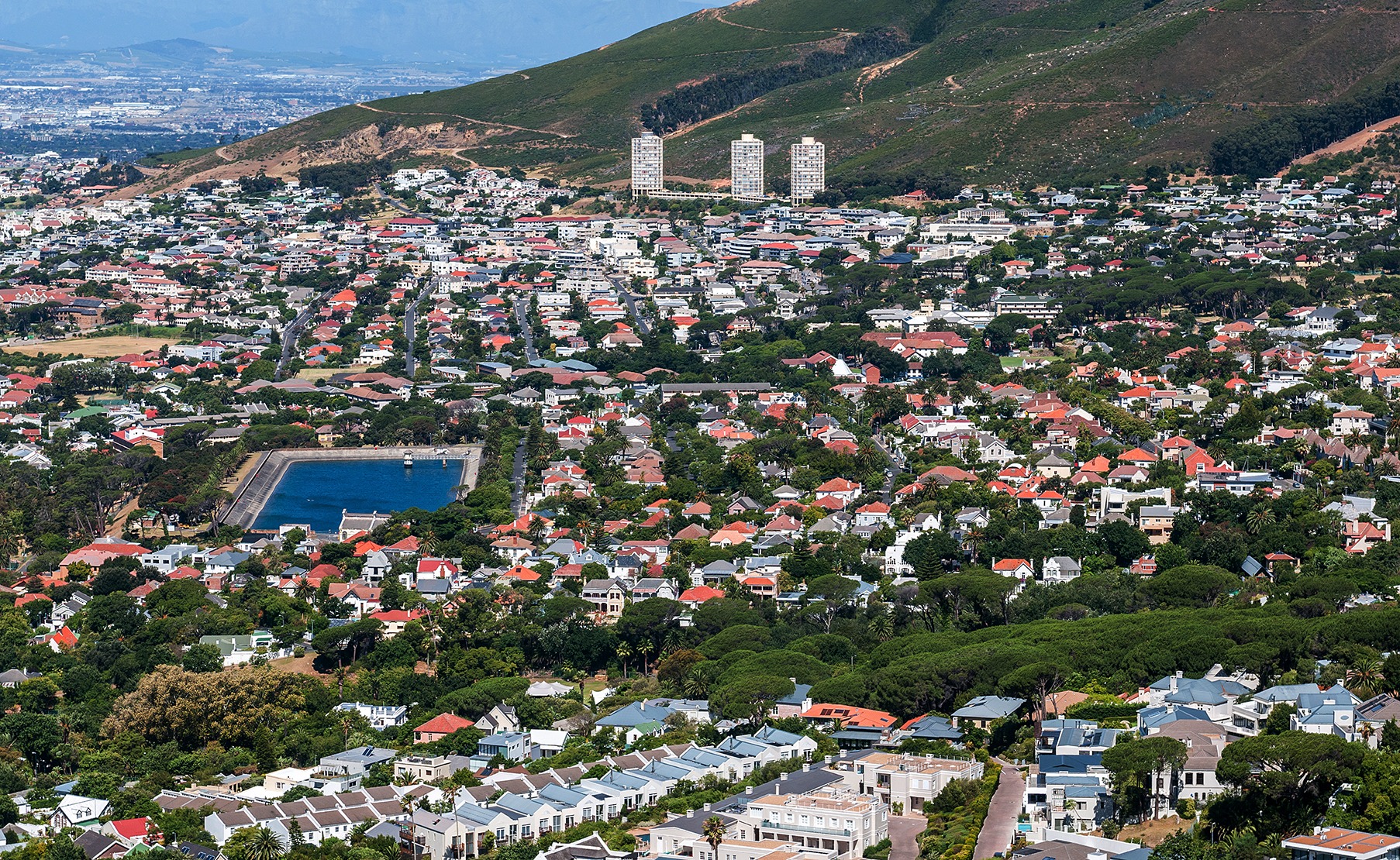
Cape Town's residential property market is experiencing a significant surge in demand from international investors, which is fundamentally altering the city's inner-city landscape. Recent data from the Seeff Property Group indicates that foreign buyers accounted for approximately 2.8 billion rand in sales over the past year. This represents about a quarter of the 11.3 billion rand in total sales across the City Bowl and Atlantic Seaboard.
This trend is particularly visible in the historic Bo-Kaap neighborhood, where family homes are increasingly being sold to foreign investors or converted into short-term rentals. The influx of international capital has pushed property prices and municipal valuations higher, making once-modest homes expensive assets and pricing out local families. Research suggests that over 90 percent of households can no longer afford property in the City Bowl, as housing costs have risen far faster than local wages.
The growth of the short-term rental market has further strained the housing system. Data shows more than 31,000 short-term rental listings across the city, with 26,000 of those located in the central district alone. Advocacy groups note that 82.6% of these listings are entire homes, a concentration that exceeds that of several other global cities including Los Angeles and Lisbon.
Critics argue that this "financialisation" of housing—treating homes as commodities for profit rather than shelter—is destabilising the city's fragile housing system. A preliminary report warns that this trend disproportionately harms Black, Coloured, and Indian families, pushing working-class residents to the urban periphery and reinforcing racial segregation patterns established during colonialism and apartheid.