Detention of Antarctic Scientist Highlights South Africa's Internal Polar Diplomacy Divide
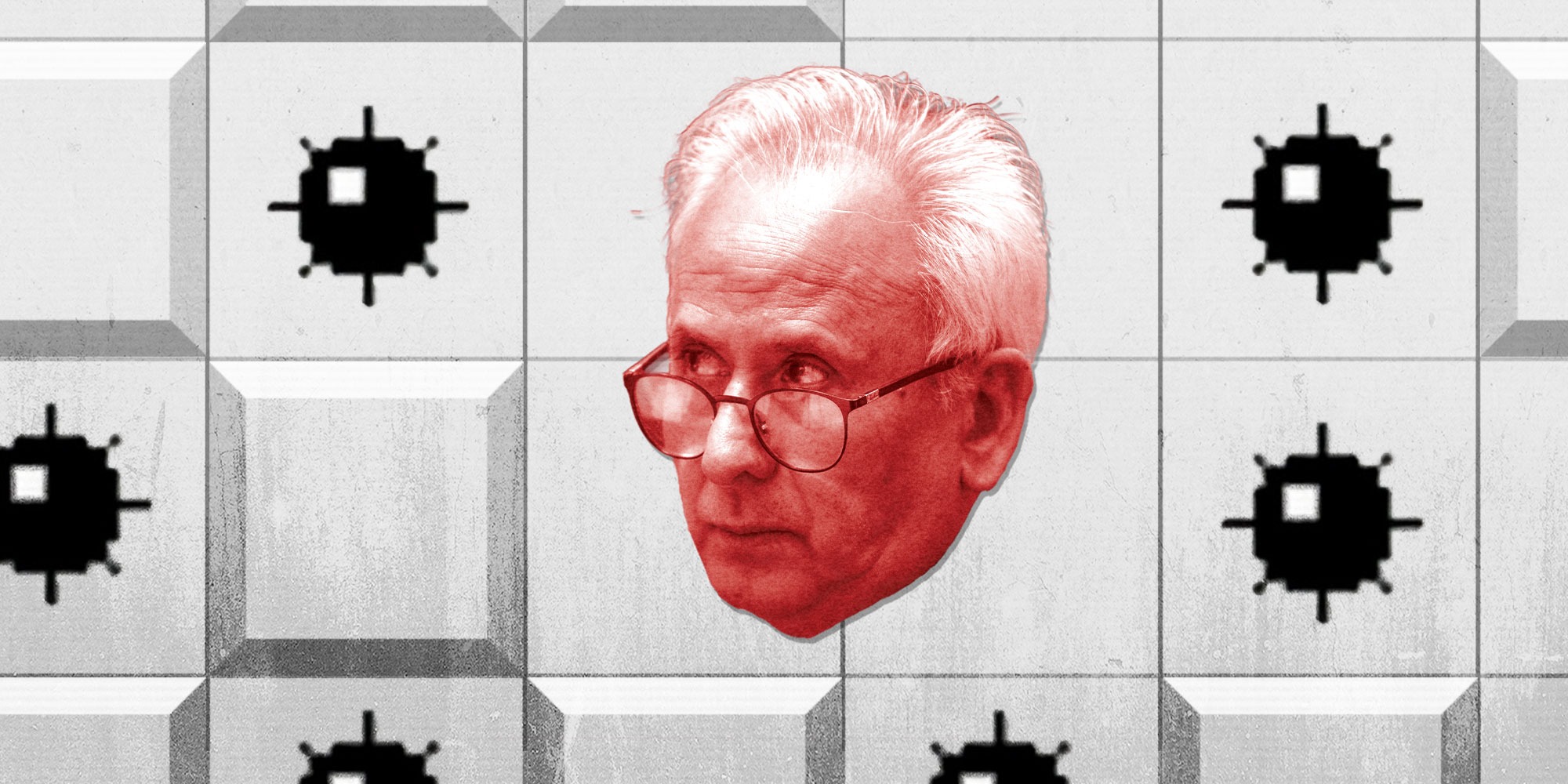
The detention of Ukrainian marine biologist Dr. Leonid Pshenichnov has sparked a diplomatic crisis that has reached the highest levels of Antarctic governance, exposing deep political fractures within South Africa's coalition government. Pshenichnov, a veteran scientist with the Commission for the Conservation of Antarctic Marine Living Resources (CCAMLR), was arrested on September 11 and held in pre-trial detention in Simferopol, Crimea.
Russian authorities initially charged Pshenichnov with high treason, alleging he collaborated with the United States and other "Anglo-Saxon bloc countries" to establish marine protected areas. According to documents obtained by Daily Maverick, Russia claimed these conservation efforts would cause the loss of opportunities to exploit hydrocarbon resources on Antarctica's continental shelf. Later reports indicated the charges shifted to focus on a Ukrainian proposal to cap krill catches by 70% in a specific Southern Ocean zone.
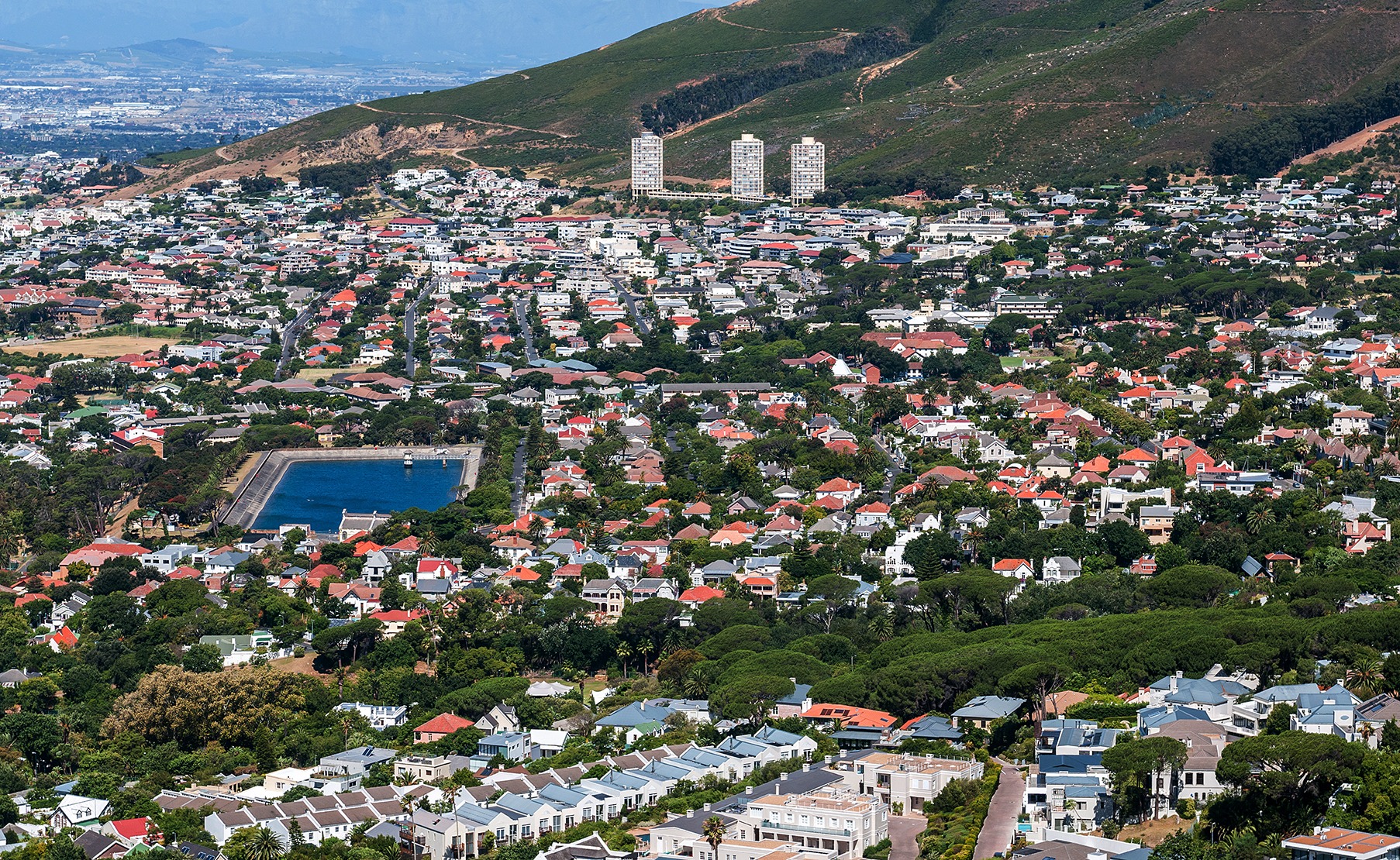
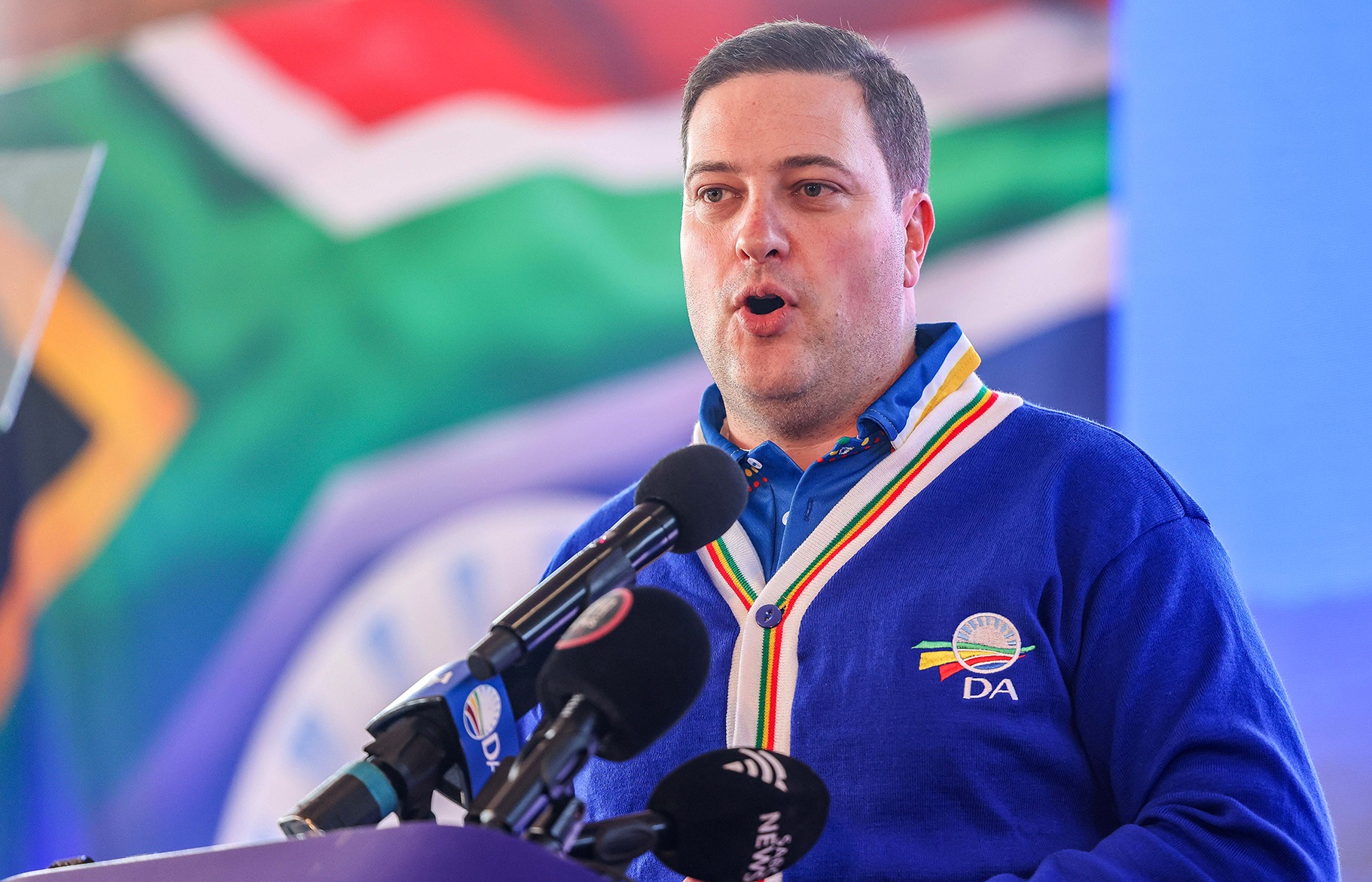
This case has placed South Africa on a geopolitical fault line. The country serves as a non-aligned gateway for various nations, providing facilities in Cape Town's Table Bay Harbour. While the African National Congress (ANC) has viewed Russian mineral surveys launched from Cape Town as legal scientific research, the Democratic Alliance (DA), which now controls the environment department, has repeatedly questioned the true intentions of these missions.
The controversy centers on the Akademik Aleksandr Karpinsky, a US-sanctioned Russian state ship. Evidence suggests the vessel has been used for seismic surveys to assess oil and gas potential in the "Unclaimed Sector" of Antarctica, an activity banned under the Environmental Protocol to the Treaty. The ship reportedly used "spoofing" techniques to hide its location during a mission between October 2024 and April 2025.