Bank of Japan raises interest rates to 31-year high … of 1%

The Bank of Japan (BoJ) has raised interest rates to a 31-year high as it tries to dampen inflationary pressures created by the Iran war.
Policymakers in Tokyo raised the BoJ’s short-term policy rate by a quarter of one percentage point, to 1% from 0.75%, and warned that companies were passing on rising oil costs to each other at a “relatively fast pace”.
The BoJ decided to tighten monetary policy despite a fall in the oil price in the past few days as Washington and Tehran agreed the basic structure of a peace deal, and also despite Japan’s annual core inflation having fallen to a four-year low of 1.4% in April.
The central bank’s governor, Shinichi Uchida, told a press conference in Tokyo that the signing of a memorandum by the US and Iran to end the Middle East conflict was “a welcome move”. He said there was uncertainty about how quickly oil supplies would rise.
“Compared with the previous meeting, the risk of a sharp deterioration in the economy has diminished. On the other hand, price rises are broadening, and there is a risk that underlying inflation may deviate from our target,” Uchida said. “With underlying inflation approaching 2%, it’s important to ensure we achieve our target stably.”
The BoJ also said the risk of Japan’s economy deteriorating sharply from the Middle East conflict had diminished. It cited the government’s relief package to help households facing high fuel costs.
Tuesday’s rate rise has lifted Japan’s borrowing costs to their highest since 1995, when the BoJ was midway through lowering interest rates after a bubble in property and asset prices burst.
Susannah Streeter, the chief investment strategist at Wealth Club, said: “The move – increasing the short-term policy rate to 1% from 0.75% – was widely expected, but it’s a step-change in monetary policy for Japan, given it pushes borrowing costs to levels not seen since 1995. There was some relief that the move wasn’t more hawkish, with even a 50-basis-point hike having been mooted.”
In 1973, the BoJ raised rates as high as 9% as it tried to combat inflationary pressures from the Opec oil embargo. But by 2016 the BoJ was implementing a negative interest rate policy as it tried to drag Japan out of a long deflationary slump that followed the end of its asset boom in the late 1980s.
after newsletter promotion
Tokyo’s stock market closed at a new record high after the Nikkei share index hit 70,000 points for the first time during Tuesday’s session. The Nikkei has soared by a third so far this year.
The BoJ is the second G7 bank to raise borrowing costs since the Iran war began. Last week the European Central Bank lifted its main interest rates. The US Federal Reserve and the Bank of England are expected to leave borrowing costs unchanged at their monetary policy meetings this week.
Keywords
Related Stories
Democrat endorses Republican candidate in key Michigan Senate race as party spat escalates
Haley Stevens, who lost out on the Democratic Senate nomination to Abdul El-Sayed, endorses his opponent days before the vote.

Armed police start patrols in Sydney after Bondi Beach attack
The new police unit is a security measure in response to last year's deadly shooting attack at a Hanukkah festival.

Lindsay Clancy is back in court - where will her case go next?
The Massachusetts mother, accused of murdering her three children, is expected back in court as she awaits a decision on whether her case will be retried.

Israeli strikes in Gaza kill eight including child, hospitals say
Five officers from the Hamas-run police have been killed in Khan Younis and three people, including a child, killed in Gaza City, officials say.

Top Stories
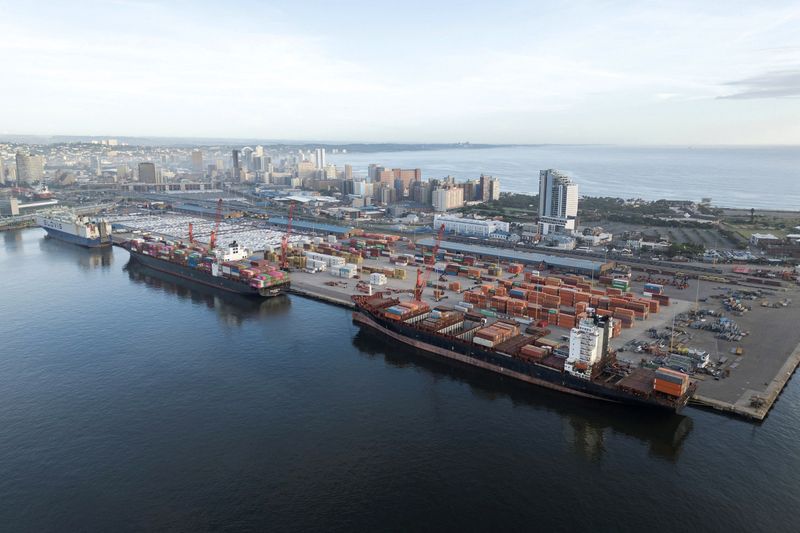
Troubled port: Transnet and foreign operator face scrutiny over backlog at Durban Gateway Terminal

BUSINESS REFLECTION: Crossed Wires: The internet’s technical debt is due, and we can’t pay
Investment Outlook: Did Datatec catch an AI tailwind or is it a breeze?

Okorocha chasing shadows, Uzodimma says, vows to appeal court judgement
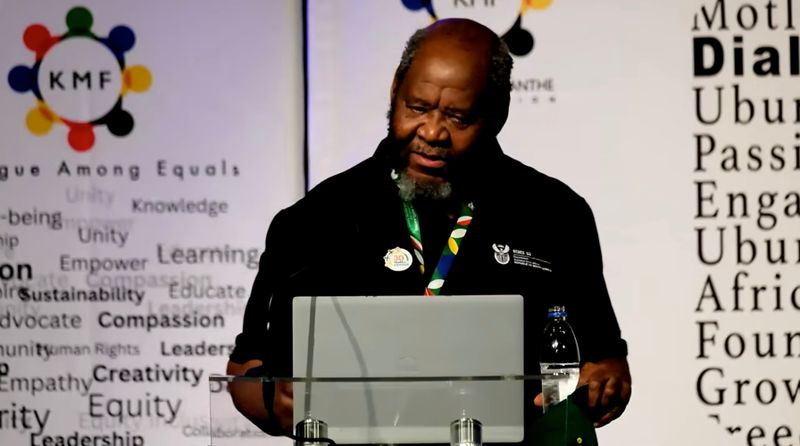
POLITICIANS PUMMELLED: SA’s path to ‘no future’ — former statistician-general Lehohla slams ‘performative’ politics

ANALYSIS: New mayors beware — SA’s local government revolt is waiting for a spark
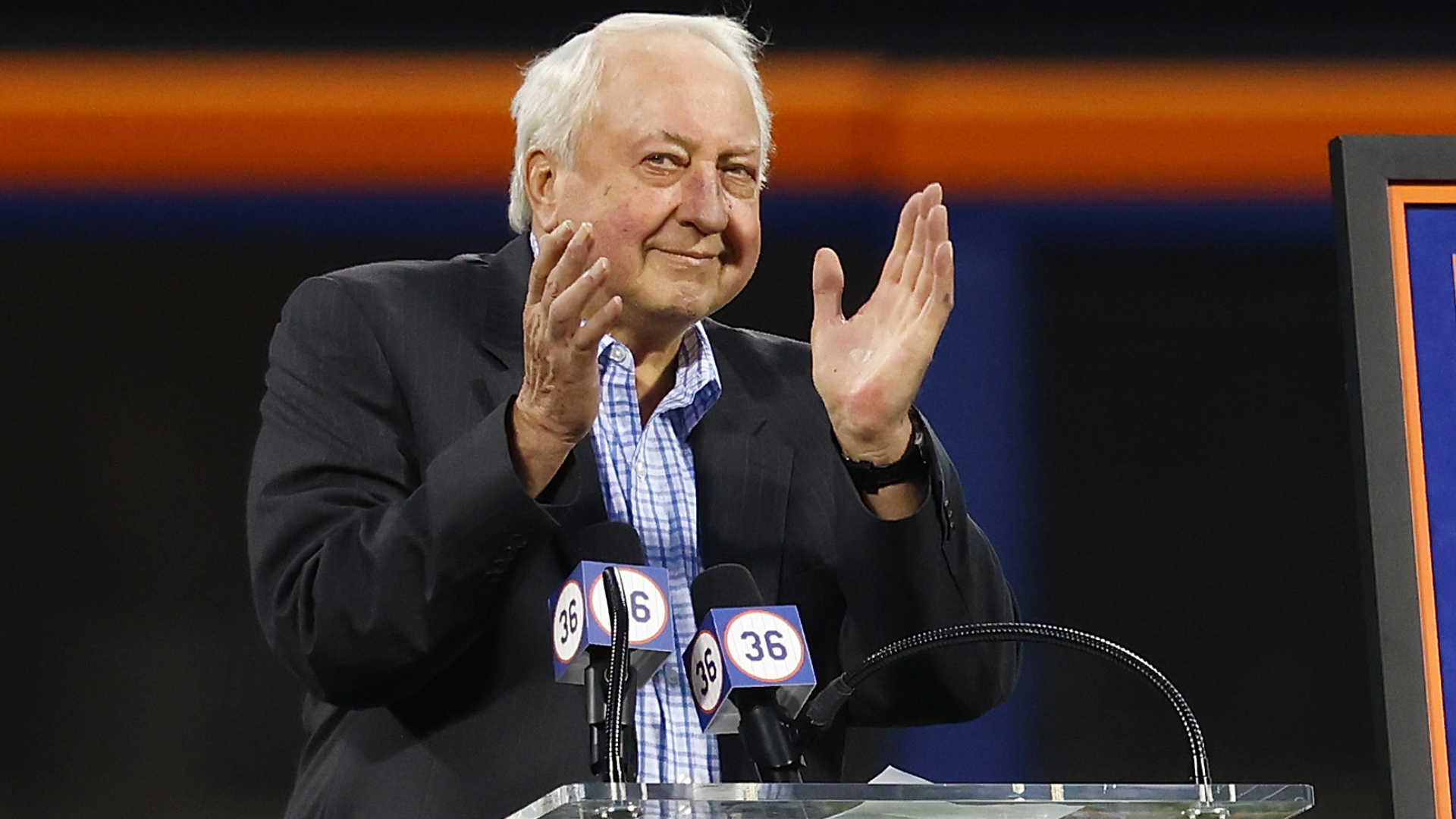
Mets legend Jerry Koosman dies at 83: Pitcher helped New York win 1969 World Series

South-East governors urge Ndigbo to shun deception and vote for Tinubu in 2027
Latest
Troubled port: Transnet and foreign operator face scrutiny over backlog at Durban Gateway Terminal
BUSINESS REFLECTION: Crossed Wires: The internet’s technical debt is due, and we can’t pay
Investment Outlook: Did Datatec catch an AI tailwind or is it a breeze?
Okorocha chasing shadows, Uzodimma says, vows to appeal court judgement
POLITICIANS PUMMELLED: SA’s path to ‘no future’ — former statistician-general Lehohla slams ‘performative’ politics
ANALYSIS: New mayors beware — SA’s local government revolt is waiting for a spark
Mets legend Jerry Koosman dies at 83: Pitcher helped New York win 1969 World Series
South-East governors urge Ndigbo to shun deception and vote for Tinubu in 2027