Cape Town residents’ big election worry? Crime, corruption and the cost of living
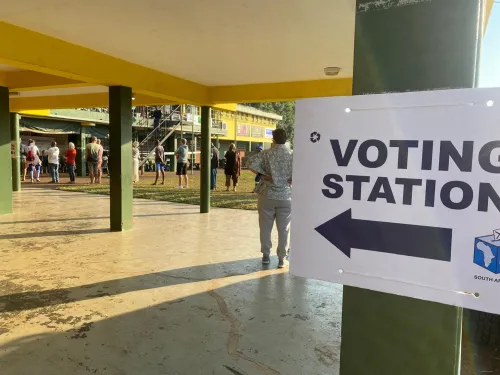
Cape Town residents identify crime, corruption and the rising cost of living among their biggest concerns, while people and communities remain their strongest source of hope, according to the inaugural Greenfields Hope & Fear Index.
Crime, corruption and the rising cost of living are weighing heavily on Cape Town residents ahead of November 4 local government elections, with a new survey finding that one in five respondents could not name a single thing that gave them hope for South Africa’s future.
The Greenfields Hope & Fear Index found that 33% of Cape Town respondents identified crime and corruption as a concern, followed by the rising cost of living (28%) and unemployment (19%). Despite these worries, people and communities were the most frequently mentioned source of hope, cited by 26%.
The research explored what gives people hope about the country’s future and what they fear could affect them over the following year. It did not measure voting intentions, party support or satisfaction with the City of Cape Town.
Economic growth and opportunity followed as a source of hope at 16%, while 10% mentioned progress they could see.
A smaller proportion of respondents drew hope from the country’s potential (3%) and sport uniting the nation (3%). Investment in youth, young people driving change, faith in God, and technology and innovation each accounted for 2%.
On the concerns raised by Cape Town respondents, 7% cited weak economic growth, 6% poor government or leadership, and 4% youth unemployment.
Nationally, 73% of respondents said they were fearful or very fearful, while 49% said they were hopeful or very hopeful.
In Cape Town, 71% were fearful or very fearful, while 52% were hopeful or very hopeful.
Greenfields Research CEO Dr Neil Lilford said: “Many South Africans believe the country is in serious trouble while desperately wanting it to succeed. Hope and fear aren’t necessarily opposing positions. Often, they’re experienced by the same person.”
The survey measured hope about South Africa’s future. Fear related to whether respondents believed their concerns would affect them over the following year.
Lilford said: “Politicians and business leaders are forever telling South Africans that confidence is returning and better days lie ahead. But wanting a better future is not the same as believing one is coming. Hope is not optimism, and we shouldn’t mistake one for the other.”
The Greenfields Hope & Fear Index was conducted in September 2026 across five major metropolitan areas, using computer-assisted telephone interviews with 1,291 respondents nationally. The Cape Town sample comprised 272 respondents.
The detailed Cape Town findings used different sample sizes for the two measures: 250 respondents for sources of hope and 272 for concerns.
Respondents were asked open-ended questions about what gave them hope and what concerned them, followed by rating scales measuring how hopeful or fearful they felt.
Lilford said the research was conducted with the local government elections on the horizon, but elections did not emerge spontaneously in respondents’ open-ended answers. He said the questions focused on longer-term hopes and concerns over the year ahead.
The index does not measure voting intentions, party support or views on the performance of the City of Cape Town.
Keywords
Related Stories
CSOs urge judiciary to avoid another Imo-style embarrassment in Uzodimma’s Senate case
Coalition of civil society organisations (CSOs) advises the judiciary to use the ongoing court case involving Governor Hope Uzodimma and former governor, Rochas Okorocha to restore public confidence in the courts. The post CSOs urge judiciary to avoid another Imo-style…

Freedom advocates urge Nigeria to grant Africans visa-free entry
They advocated reciprocal arrangements among African countries, citing Kenya and Rwanda as examples of countries that had taken steps to ease entry for other Africans. The post Freedom advocates urge Nigeria to grant Africans visa-free entry appeared first on Premium Times…

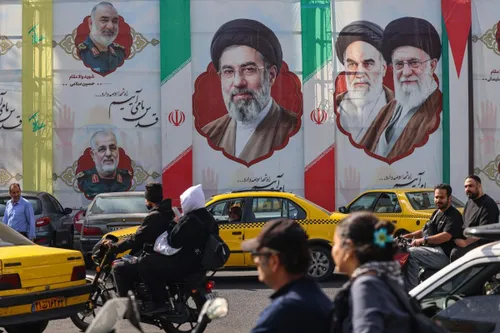
Iran warns next war with US could be longer as Trump threatens further strikes
Iran warns a renewed war with the US could last longer as Donald Trump threatens further strikes, while diplomatic efforts to prevent another escalation remain uncertain.
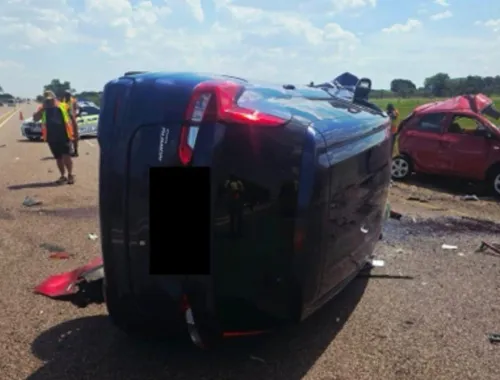
Two women killed in N1 crash near Kranskop as highway closed
Two women have died and five people have been injured in a head-on collision involving four vehicles on the N1 near Kranskop, forcing the closure of the northbound carriageway.
Top Stories
CSOs urge judiciary to avoid another Imo-style embarrassment in Uzodimma’s Senate case

Spence 'very proud' to break WSL appearance record

Referee accidentally fractures college football player's leg
Freedom advocates urge Nigeria to grant Africans visa-free entry
Iran warns next war with US could be longer as Trump threatens further strikes
Two women killed in N1 crash near Kranskop as highway closed
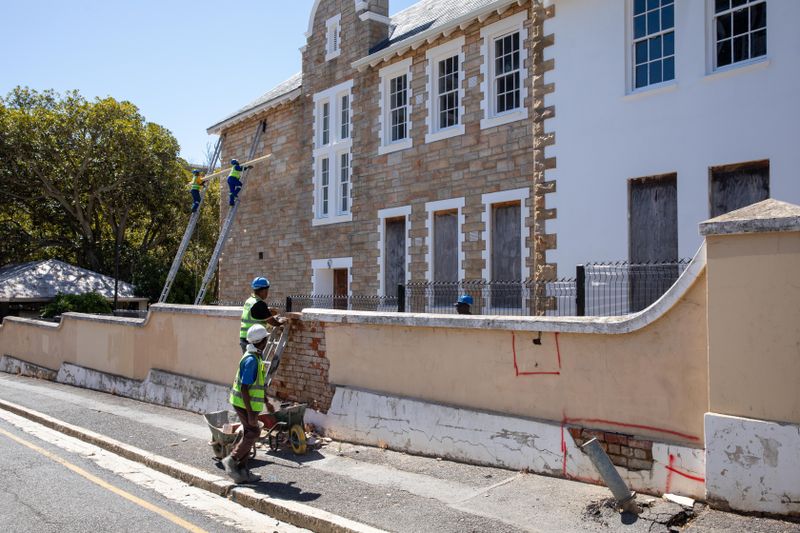
AFFORDABLE HOUSING OP-ED: CT’s Tafelberg social housing units cut by Heritage assessment

Five teenagers stabbed at Halloween party
Latest
CSOs urge judiciary to avoid another Imo-style embarrassment in Uzodimma’s Senate case
Spence 'very proud' to break WSL appearance record
Referee accidentally fractures college football player's leg
Freedom advocates urge Nigeria to grant Africans visa-free entry
Iran warns next war with US could be longer as Trump threatens further strikes
Two women killed in N1 crash near Kranskop as highway closed
AFFORDABLE HOUSING OP-ED: CT’s Tafelberg social housing units cut by Heritage assessment
Five teenagers stabbed at Halloween party