Durban High Court bars March and March protests ahead of local elections

March and March leader Jacinta Ngobese-Zuma addresses her supporters after the Durban High Court interdicted the movement from protesting over the election period.
Members of March and March and others joining their anti-illegal immigration protests may not protest over the election period and, when these resume, may only be held between 10am and 3pm, and along designated routes.
In addition, the Durban High Court ordered on Friday, protesters may not carry weapons, obscure their faces or engage in violent conduct.
Addressing supporters outside the court after judgment was delivered, March and March attorney Xolani Zuma said the movement would only resume its protests after November 6. He said the judgment also prohibits the carrying of sticks, knobkerries and other weapons during the march.
Zuma pleaded with supporters to resume protests from November 7, and to comply with the court order to avoid further legal action.
The decision to ban sticks sparked unhappiness among marchers, who said they pride themselves in their Zulu accessories when expressing themselves.
March and March leader Jacinta Ngobese-Zuma intervened to calm the crowd, explaining that they were faced with a choice between marching without sticks or not marching at all.
The court order comes after Acting Police Minister Firoz Cachalia and KZN Police Commissioner Nhlanhla Mkhwanazi applied for an interdict barring the movement from marching in the Durban CBD and around the Home Affairs Refugee Reception Centre on Che Guevara Road.
Earlier, Cachalia defended the police's court action against the March and March movement, saying protests held without notice place additional pressure on law enforcement and can lead to violence, arson and loss of life.
Cachalia said police were being forced to divert officers and resources at short notice to deal with demonstrations that could escalate into violent confrontations, while officers themselves were also being put at risk.
He was speaking in Durban on Friday during a briefing on the South African Police Service's readiness for the November 4 local government elections.
He said marches that took place without police receiving prior notice required officers to be deployed on an unplanned basis, placing additional pressure on resources needed to maintain public safety.
He warned that such demonstrations could result in attacks on members of the public, arson and serious injuries or deaths.
Cachalia said organisers and leaders had a responsibility to ensure that demonstrations did not descend into violence, criminality and lawlessness.
He also highlighted the risks faced by police officers deployed to volatile situations, saying they were members of the same communities they were expected to protect.
“Place yourself in the position of a police officer, a 25-year-old police officer who has the responsibility to protect the people of KwaZulu-Natal in these situations. I don't think it's right. I have to be frank about that,” he said.
The minister said deploying large numbers of officers to KwaZulu-Natal came at a considerable cost to the police service, including transport, accommodation, protection and overtime.
Cachalia said the application was not about denying people their right to protest, but about asking the court to clarify the legal parameters within which demonstrations should take place.
He said the police had a responsibility to protect property and the safety of people in the country, while ensuring that officers could carry out their duties without being unnecessarily exposed to danger.
“It's a very costly exercise, when the main responsibility of the police in this situation should be simply to ensure that there is a free and fair election, which is why the police officers on the ground in KwaZulu-Natal took the decision to launch this interdict, to ask the court to assist the police to establish the parameters of protest action, those parameters determined by the law,” he said.
He said the police needed the court's assistance to establish those boundaries and ensure that the right to demonstrate was not used to justify violence or criminality.
Keywords
Related Stories
CSOs urge judiciary to avoid another Imo-style embarrassment in Uzodimma’s Senate case
Coalition of civil society organisations (CSOs) advises the judiciary to use the ongoing court case involving Governor Hope Uzodimma and former governor, Rochas Okorocha to restore public confidence in the courts. The post CSOs urge judiciary to avoid another Imo-style…

Freedom advocates urge Nigeria to grant Africans visa-free entry
They advocated reciprocal arrangements among African countries, citing Kenya and Rwanda as examples of countries that had taken steps to ease entry for other Africans. The post Freedom advocates urge Nigeria to grant Africans visa-free entry appeared first on Premium Times…

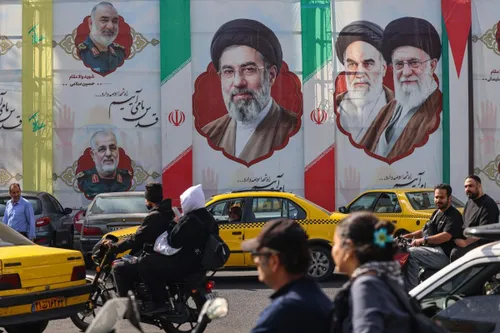
Iran warns next war with US could be longer as Trump threatens further strikes
Iran warns a renewed war with the US could last longer as Donald Trump threatens further strikes, while diplomatic efforts to prevent another escalation remain uncertain.
Two women killed in N1 crash near Kranskop as highway closed
Two women have died and five people have been injured in a head-on collision involving four vehicles on the N1 near Kranskop, forcing the closure of the northbound carriageway.

Top Stories
CSOs urge judiciary to avoid another Imo-style embarrassment in Uzodimma’s Senate case

Spence 'very proud' to break WSL appearance record

Referee accidentally fractures college football player's leg
Freedom advocates urge Nigeria to grant Africans visa-free entry
Iran warns next war with US could be longer as Trump threatens further strikes
Two women killed in N1 crash near Kranskop as highway closed
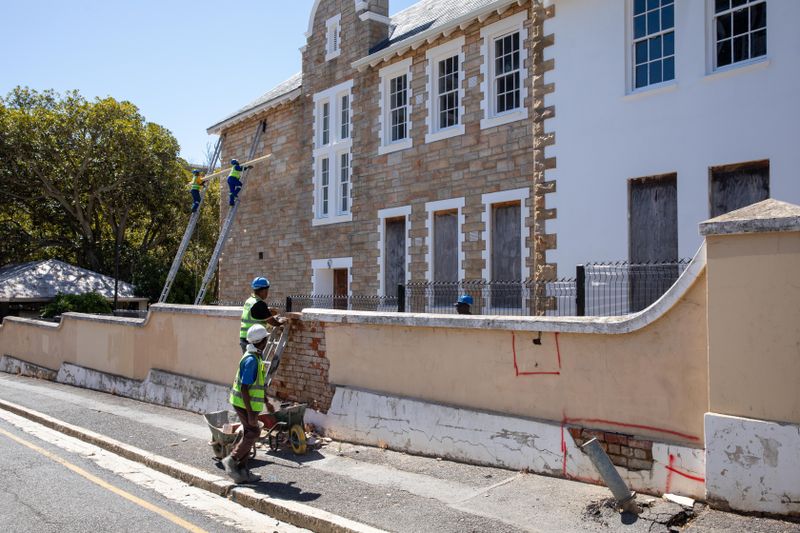
AFFORDABLE HOUSING OP-ED: CT’s Tafelberg social housing units cut by Heritage assessment

Five teenagers stabbed at Halloween party
Latest
CSOs urge judiciary to avoid another Imo-style embarrassment in Uzodimma’s Senate case
Spence 'very proud' to break WSL appearance record
Referee accidentally fractures college football player's leg
Freedom advocates urge Nigeria to grant Africans visa-free entry
Iran warns next war with US could be longer as Trump threatens further strikes
Two women killed in N1 crash near Kranskop as highway closed
AFFORDABLE HOUSING OP-ED: CT’s Tafelberg social housing units cut by Heritage assessment
Five teenagers stabbed at Halloween party