East and Southern Africa: Media freedom under attack amid prevailing impunity

Authorities across East and Southern Africa continued their campaigns of harassment and arbitrary arrests and detention of independent journalists over the past year, Amnesty International said today ahead of World Press Freedom Day.
The organization documented sustained intimidation, harassment, and attacks on independent media in several countries in the region. Amnesty International also documented increased internet blockades or shutdowns and the use of restrictive cyber security laws to restrict media freedom, especially in countries that held elections in 2025 and early 2026.
“Across the region, governments and in some instances non-state actors, intensified their crackdowns on the media and journalists through shutdowns and arrests and arbitrary detentions. They weaponized criminal justice systems to target journalists and continued to use broad and vaguely worded laws to silence and intimidate them. This all came at a time when media revenues were low, putting an even greater strain on press freedom,” said Tigere Chagutah Amnesty International’s Regional Director for East and Southern Africa.
Freedom under siege
In Ethiopia, journalists have faced a renewed wave of crackdowns by the authorities in recent months. Prominent outlets such as Wazema Radio and Addis Standard have had their licenses arbitrarily revoked.
Across the region, governments and in some instances non-state actors, intensified their crackdowns on the media and journalists through shutdowns and arrests and arbitrary detentions.
Tigere Chagutah, Amnesty International’s Regional Director for East and Southern Africa
Journalists have been detained following unlawful surveillance, while reports of enforced disappearances of journalists have increased. Most recently, on 15 April 2026, Million Beyene, managing editor of independent media outlet Addis Standard, was abducted in Addis Ababa, Ethiopia’s capital, by members of the national intelligence agency, according to the media house. Millions were held for two weeks in an undisclosed facility without access to his lawyer or family. His abduction appears to be linked to his work as a journalist. He was subsequently handed over to his family and legal team on 28 April.
Measures targeting Ethiopian journalists and media outlets have increasingly extended to international media.
In Tanzania, in August 2025, the home affairs minister ordered police to conduct “online patrols” to apparently monitor “individuals who used digital platforms to disrupt peace and security”.
In September, the Tanzania Communications Regulatory Authority imposed a 90-day ban on online platform JamiiForums, alleging it had published misleading and defamatory content about the government, in contravention of the 2020 Online Content Regulations and its amendments.
In October, Tanzania’s authorities imposed a partial internet shutdown during the general elections. Both local and international media were barred from covering the human rights situation in the country in the lead up to and after the elections.
In Uganda, security forces attacked dozens of journalists covering the March 2025 parliamentary by-elections in Kawempe in the capital, Kampala. Journalists from NTV Uganda and the Daily Monitor newspaper were also subsequently banned from covering parliamentary proceedings and the presidency. The 2023 Anti-Homosexuality Act, which criminalizes the “promotion of homosexuality” through publishing, broadcasting, distribution, and online expression, and imposes penalties of suspension or cancellation of licenses, continued to create a restrictive and intimidating environment for journalists, editors, podcasters, human rights reporters, and community media outlets covering LGBTQI+ lives, public health, violence, forced evictions, court cases, or advocacy.
In Zimbabwe, journalist Blessed Mhlanga remains in exile following his speech at the Geneva Summit for Human Rights and Democracy on 18 February 2026 where he spoke about media repression and shrinking civic space. Gideon Madzikatidze, a journalist with Bulawayo24, has remained in custody since 18 February 2026 after he was detained for publishing a story alleging corruption involving a waste management company. He has been charged with cyberbullying and “broadcasting without a licence,” despite the story being published online. He has been denied bail three times.
Media freedom in armed conflicts
In the Democratic Republic of Congo (DRC), control of large swathes of eastern DRC by the March 23 Movement (M23) armed group has had a chilling effect on the media. M23’s detention, torture, and threats against journalists have forced numerous journalists to flee M23-controlled areas and influenced coverage by other independent journalists of M23 abuses and other sensitive issues.
In Mozambique, the National Institute of Communication suspended for 48 hours Vida and Encontro radio stations in Nampula city in February 2025. It claimed, without evidence, that their broadcasting was disrupting the connection between the local airport’s control tower and aircraft. At least one of the stations – Radio Encontro – was known to be critical of the government and of the 2024 elections.
In June, around 16 journalists were arrested and their equipment confiscated by the security forces in Muidumbe district, Cabo Delgado. They were interrogated and intimidated for two hours in nearby Macomia district in connection with their attempt to photograph the destruction of public infrastructure in Macomia during armed conflict. The district administrator had previously authorized the journalists to take photographs.
Journalism is not a crime. Amnesty International reiterates its call to authorities in the region to immediately release all journalists being held for doing their work, quash their convictions and sentences, and drop ongoing charges against them. They must also refrain from enacting laws that stifle media freedom
Tigere Chagutah
In Somalia, journalists were attacked by security forces and subjected to threats, harassment, intimidation, beatings, arbitrary arrests and prosecution. The government stepped up attempts to control and censor journalists reporting on public interest issues, including insecurity, corruption and forced evictions.
In South Sudan, President Salva Kiir Mayardit signed into law the Cybercrimes and Computer Misuse Act in February 2026. South Sudanese human rights defenders and the Committee to Protect Journalists raised alarm about the act, warning that it could criminalize legitimate online activity and be abused to further restrict media freedom.
In Sudan, amid the ongoing conflict, journalists have been targeted by both sides with arrests, detentions, abductions and killings.
“In all the cases of attacks against journalists that Amnesty International has documented, no one has been held accountable. Victims also continue to be denied access to justice and effective remedies. This increased hostility against the media threatens people’s access to information and weakens accountability,” said Tigere Chagutah.
“Journalism is not a crime. Amnesty International reiterates its call to authorities in the region to immediately release all journalists being held for doing their work, quash their convictions and sentences, and drop ongoing charges against them. They must also refrain from enacting laws that stifle media freedom”.
Related Topics
Keywords
Related Stories
CSOs urge judiciary to avoid another Imo-style embarrassment in Uzodimma’s Senate case
Coalition of civil society organisations (CSOs) advises the judiciary to use the ongoing court case involving Governor Hope Uzodimma and former governor, Rochas Okorocha to restore public confidence in the courts. The post CSOs urge judiciary to avoid another Imo-style…

Freedom advocates urge Nigeria to grant Africans visa-free entry
They advocated reciprocal arrangements among African countries, citing Kenya and Rwanda as examples of countries that had taken steps to ease entry for other Africans. The post Freedom advocates urge Nigeria to grant Africans visa-free entry appeared first on Premium Times…

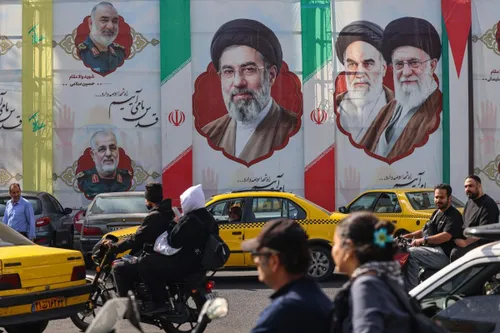
Iran warns next war with US could be longer as Trump threatens further strikes
Iran warns a renewed war with the US could last longer as Donald Trump threatens further strikes, while diplomatic efforts to prevent another escalation remain uncertain.
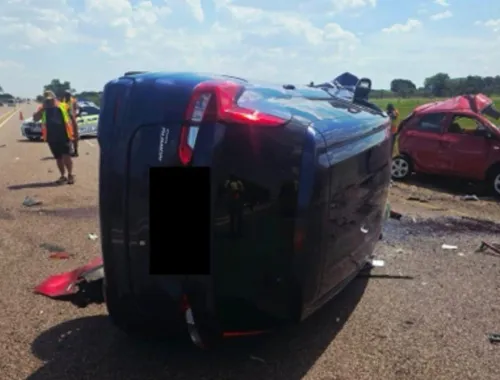
Two women killed in N1 crash near Kranskop as highway closed
Two women have died and five people have been injured in a head-on collision involving four vehicles on the N1 near Kranskop, forcing the closure of the northbound carriageway.
Top Stories
CSOs urge judiciary to avoid another Imo-style embarrassment in Uzodimma’s Senate case

Spence 'very proud' to break WSL appearance record

Referee accidentally fractures college football player's leg
Freedom advocates urge Nigeria to grant Africans visa-free entry
Iran warns next war with US could be longer as Trump threatens further strikes
Two women killed in N1 crash near Kranskop as highway closed
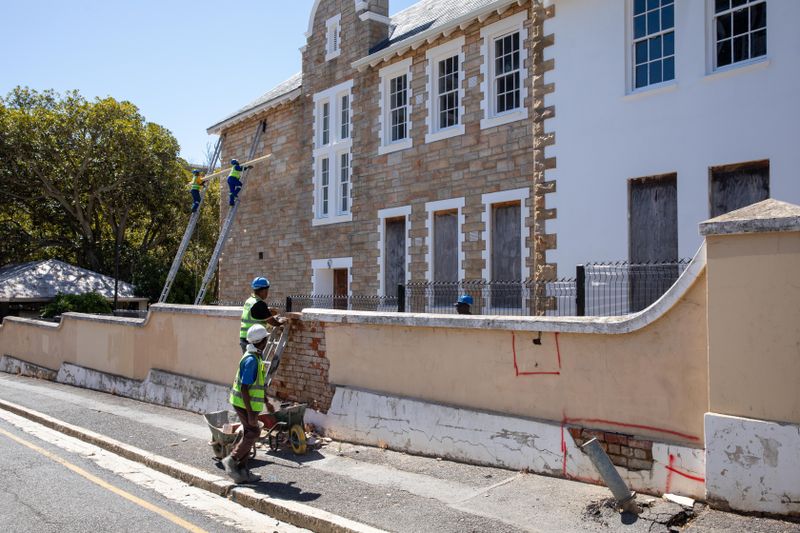
AFFORDABLE HOUSING OP-ED: CT’s Tafelberg social housing units cut by Heritage assessment

Five teenagers stabbed at Halloween party
Latest
CSOs urge judiciary to avoid another Imo-style embarrassment in Uzodimma’s Senate case
Spence 'very proud' to break WSL appearance record
Referee accidentally fractures college football player's leg
Freedom advocates urge Nigeria to grant Africans visa-free entry
Iran warns next war with US could be longer as Trump threatens further strikes
Two women killed in N1 crash near Kranskop as highway closed
AFFORDABLE HOUSING OP-ED: CT’s Tafelberg social housing units cut by Heritage assessment
Five teenagers stabbed at Halloween party