For one Yemeni, World Cup serves as a marker of war and peace

Mukalla, Yemen – Weeks before this year’s World Cup started, Adel Mohsen’s backup battery broke down, and he couldn’t afford to replace it, meaning he wouldn’t have power at home when the electricity regularly goes out.
A fuel shortage also struck his home city of Mukalla, in eastern Yemen, leaving him struggling to secure enough for his motorbike, and restricting his ability to get around and watch games outside.
Recommended Stories
list of 3 items- list 1 of 3What went wrong for Cristiano Ronaldo in his first World Cup 2026 match?
- list 2 of 3Ivory Coast’s Wahi barred from WC match in Canada amid match-fixing probe
- list 3 of 3Hardliners and moderates: What do Iran’s factions think of deal with US?
Adel is frustrated. The 56-year-old football enthusiast has watched every World Cup since 1982, defying wars, economic collapse, and political turmoil. But this year, he can’t escape the reality that more than a decade of war and economic hardship has brought to Yemen.
“I think this is the worst World Cup,” Adel told Al Jazeera, settling into a wooden bench as his eyes fixed on a giant public screen at a local stadium. “I might miss a lot of matches because of the power cuts.”
Despite paying for a subscription to a local television service airing the games, Adel could not secure the $200 needed for a backup battery at home, nor could he afford the internet vouchers needed to stream matches on his mobile phone.
The local stadium was, therefore, the best option for World Cup 2026.
Shortly before the opening match between South Africa and Mexico, the sound of generators echoed through the area, and the projector flickered to life only minutes before kickoff.
The courtyard was dark, its floor paved with worn stone slabs. Two men sat chewing qat, stimulant leaves widely consumed in Yemen, resting their backs against cement blocks. A few others lounged on a raised platform, scrolling through their mobiles as they chewed. The heat and humidity were intense; everyone was sweating.
AdvertisementAdel was quickly into World Cup mode.
“The Mexicans will keep attacking until they score a goal,” he said, glancing at his old mobile phone to review notes he hoped to use later in his analysis for local TV or social media.
His prediction came true shortly, as Mexico scored the opening goal. “I watch matches now through the eyes of an analyst rather than as a casual fan,” he explained. “There are only a few spectators here, as you can see, since neither team is very popular. Matches between big teams, such as Brazil, or Arab teams, usually attract far larger crowds of fans.”

Falling in love with football
In 1982, the FIFA World Cup was hosted in Spain, only a few years after television first arrived in Mukalla and other cities of the former People’s Democratic Republic of Yemen (PDRY), more commonly known as South Yemen.
Adel was 12 years old at the time, and he remembers clearly where he and other fans gathered to watch the matches.
“That was like a first lover engraved in memory,” he said with a smile. “Although I was just a child at the time, I still remember the names of the players and the stadiums where those matches were played. Brazil had one of its greatest generations, with stars such as Zico, Falcao, and Eder. They delivered superb performances. The tournament was marked by the rough play of Italy’s defenders, most notably [Claudio] Gentile, whose violent tactics went unpunished.”
Adel found himself glued to the television along with his father and brothers, watching the tournament together.
“The atmosphere around the games was familial; we loved sports,” he said. “Those without televisions would gather at neighbours’ homes to watch together.”
At that time, matches were recorded in Aden, the capital of South Yemen, and then sent on tape by bus to the television station in Mukalla, meaning fans there watched the games a day later. “Since it was the first tournament people experienced on television, they were deeply impressed and enjoyed the matches as if they were live.”

Football through war
In January 1986, thousands were killed and wounded in Aden when infighting erupted between rival factions of the governing Socialist Party. Months later, as the dust settled and defeated soldiers fled to North Yemen, the victors consolidated control over the country. That same year, Mexico hosted the World Cup.
AdvertisementAdel was 16, glued to the same television in the same room of his family’s home. “I was in secondary school, and I watched the matches with a deeper appreciation of the game, not just as a spectator,” he recalled. “That tournament belonged to [Diego] Maradona.”
By 1990, the year North and South Yemen united, Mohsen was a 20‑year‑old footballer playing as an amateur for local clubs. Watching the World Cup in Italy, he studied tactics and skills, replicating them during training sessions and matches across Sanaa, Aden, Hodeidah, and Taiz.
But the honeymoon of unity did not last. In 1994, civil war erupted, and as the World Cup kicked off in the United States, fighting spread fear across Yemeni cities.
“That was the worst World Cup I have ever watched,” he said. “It was the most difficult tournament because people were worried about the war and what would come after it. Security was unstable, and frequent power outages made it even harder to follow the games. I would watch one match and then miss three.”
Watching against the odds
As Adel got older, he settled back into his role as a spectator of the game, rather than a player.
Yemen was also going through a less tumultuous period following the 1994 civil war, when then-President Ali Abdullah Saleh and his predominantly northern forces emerged victorious. Relative stability followed, and the tournaments of 1998, 2002, 2006, and 2010 were easy to watch for Adel.
But then came the 2014 World Cup in Brazil, arriving just as Yemen was sliding deeper into instability. al-Qaeda in the Arabian Peninsula (AQAP) intensified attacks, while the Houthi rebels expanded beyond their northern stronghold. “The country was entering a new political and economic crisis,” Adel said.
Mukalla has largely avoided battles within the city in the 12 years of war that followed – with some exceptions such as the conflict at the end of 2025 between the internationally recognised government and the separatist Southern Transitional Council.
It is often economic problems and a lack of services that prevent Adel from being able to watch his favourite sport.
But despite the power cuts, the mounting economic pressures, and criticism from those who view sport as a luxury in a country beset by crises, Adel remains determined to continue a ritual that has sustained him for more than four decades.
“I see sports as relief from hardship,” he said, shifting on the wooden bench as the glow from the giant screen illuminated his sweat‑soaked face. “People ask why we talk about football when there are so many problems. What do they want us to do – commit suicide? Sports give us a brief escape from all the hardships around us.”
And Adel has a prediction for this year’s winner: France.
Related Topics
Keywords
Related Stories
Democrat endorses Republican candidate in key Michigan Senate race as party spat escalates
Haley Stevens, who lost out on the Democratic Senate nomination to Abdul El-Sayed, endorses his opponent days before the vote.

Armed police start patrols in Sydney after Bondi Beach attack
The new police unit is a security measure in response to last year's deadly shooting attack at a Hanukkah festival.

Lindsay Clancy is back in court - where will her case go next?
The Massachusetts mother, accused of murdering her three children, is expected back in court as she awaits a decision on whether her case will be retried.

Israeli strikes in Gaza kill eight including child, hospitals say
Five officers from the Hamas-run police have been killed in Khan Younis and three people, including a child, killed in Gaza City, officials say.

Top Stories
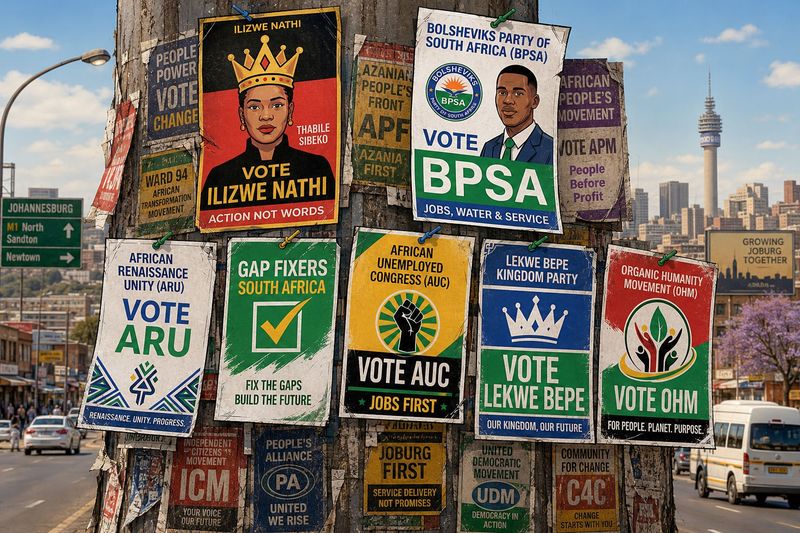
OUR CITY NEWS: Eighty-three parties contest crowded Joburg local government elections
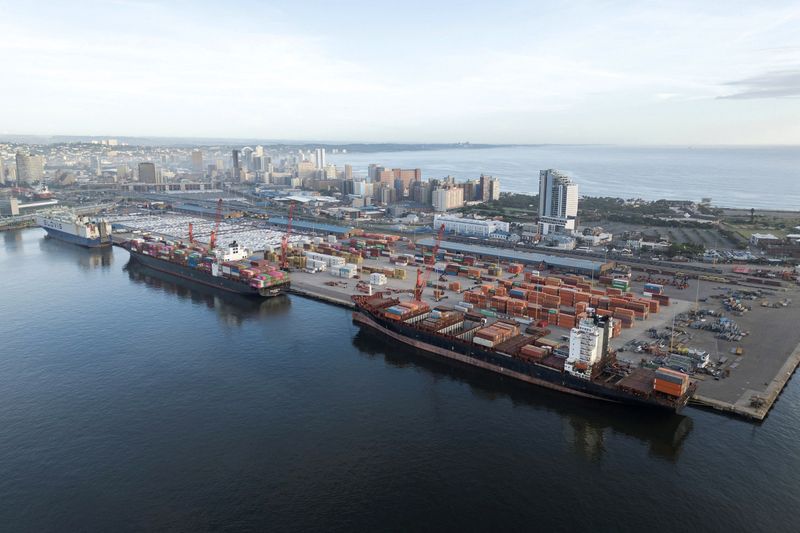
Troubled port: Transnet and foreign operator face scrutiny over backlog at Durban Gateway Terminal

BUSINESS REFLECTION: Crossed Wires: The internet’s technical debt is due, and we can’t pay

Investment Outlook: Did Datatec catch an AI tailwind or is it a breeze?

Okorocha chasing shadows, Uzodimma says, vows to appeal court judgement
POLITICIANS PUMMELLED: SA’s path to ‘no future’ — former statistician-general Lehohla slams ‘performative’ politics

ANALYSIS: New mayors beware — SA’s local government revolt is waiting for a spark
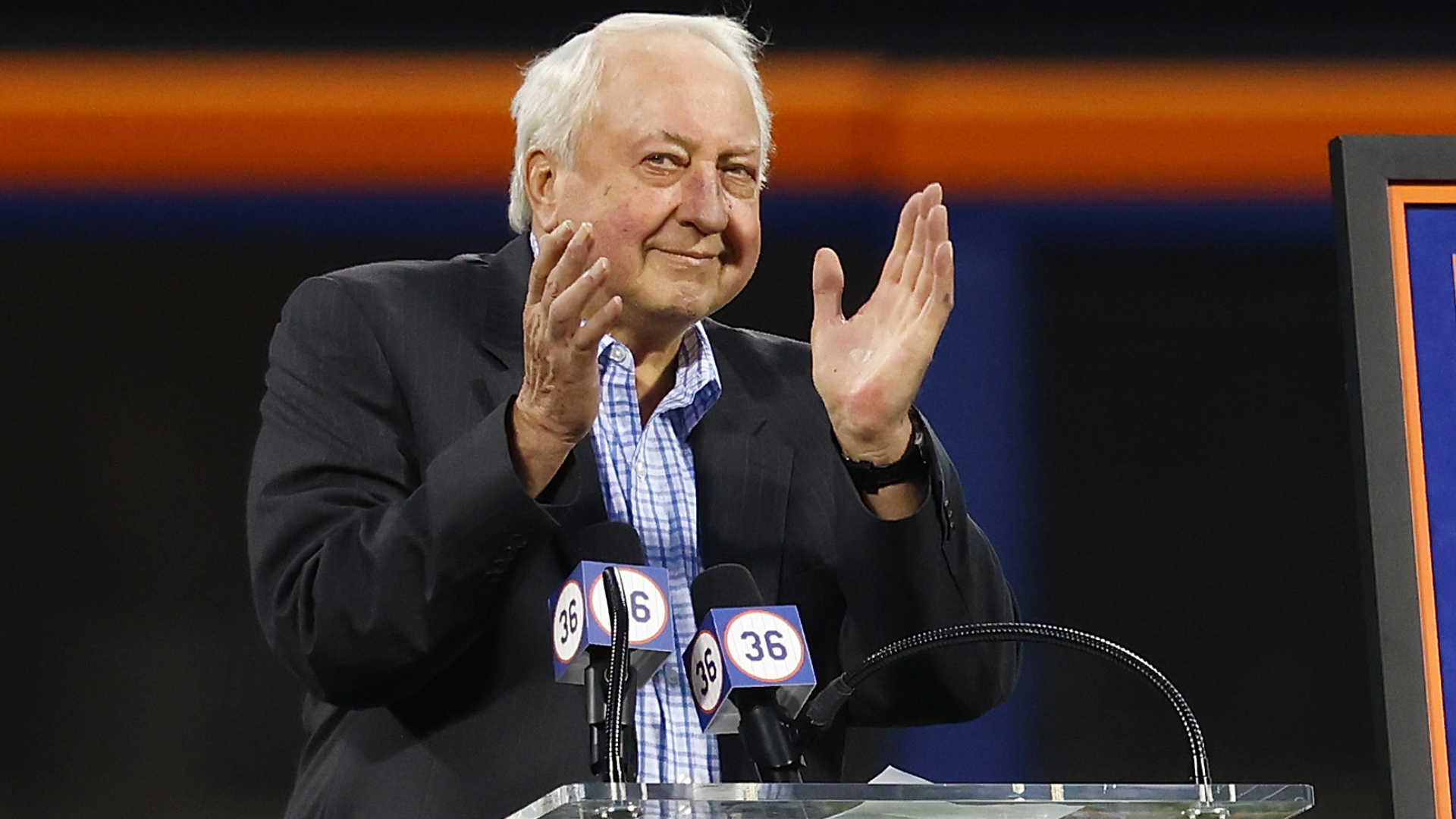
Mets legend Jerry Koosman dies at 83: Pitcher helped New York win 1969 World Series
Latest
OUR CITY NEWS: Eighty-three parties contest crowded Joburg local government elections
Troubled port: Transnet and foreign operator face scrutiny over backlog at Durban Gateway Terminal
BUSINESS REFLECTION: Crossed Wires: The internet’s technical debt is due, and we can’t pay
Investment Outlook: Did Datatec catch an AI tailwind or is it a breeze?
Okorocha chasing shadows, Uzodimma says, vows to appeal court judgement
POLITICIANS PUMMELLED: SA’s path to ‘no future’ — former statistician-general Lehohla slams ‘performative’ politics
ANALYSIS: New mayors beware — SA’s local government revolt is waiting for a spark
Mets legend Jerry Koosman dies at 83: Pitcher helped New York win 1969 World Series