Ghana, Côte d’Ivoire to begin 2026/27 cocoa season September 1

 Ghana, Côte d’Ivoire to begin 2026/27 cocoa season September 1Ghana and Côte d’Ivoire, the world’s two largest cocoa producers, have agreed to begin the 2026/27 cocoa season on September 1 and conclude it on August 31, 2027 as both countries shift focus on strengthening cooperation in the cocoa sector and improving farmer welfare. Joining CNBC Africa to discuss the outlook for the cocoa industry across West Africa in the second half of the year is Tedd George, Chief Narrative Officer at Kleos Advisory.Thu, 18 Jun 2026 11:57:34 GMTAI SummaryDisclaimer: The following content is generated automatically by a GPT AI and may not be accurate. To verify the details, please watch the videoAI Generated SummaryKey Points:
- Ghana and Côte d’Ivoire agreed to start the 2026/27 cocoa season on Sept. 1 and end it on Aug. 31, 2027.
- The two countries aim to align fixed farm-gate prices in dollar terms to reduce smuggling and market distortions.
- Analysts say synchronized pricing and season timing are positive for market stability after last season’s sharp price swings.
- El Niño remains a major threat, with the potential to reduce West African cocoa output and trigger another price spike.
- Cocoa prices previously surged above $12,000 per ton before falling sharply and later recovering to around $4,200 per ton.
- Financing challenges in Ghana, especially around Cocobod’s former pre-export financing model, could weigh on farmer support and crop purchases.
- Lab-grown cocoa is advancing technologically but remains a niche threat given the global market’s scale.
- The Living Income Differential highlighted persistent concerns that West African farmers do not receive a fair share of cocoa value.
- Experts say the strongest value-add opportunity lies in local processing into butter, powder and cake rather than finished chocolate exports.
- Longer-term risks include swollen shoot disease, climate change and the aging profile of cocoa farmers across the region.
Ghana and Côte d’Ivoire, the world’s two biggest cocoa producers, will begin the 2026/27 cocoa season on Sept. 1 and end it on Aug. 31, 2027, in a move that market watchers say could help reduce price distortions, curb cross-border smuggling and strengthen coordination in a sector facing mounting pressure from climate risk, financing gaps and farmer income concerns.
The decision, announced after a high-level meeting between Ghanaian President John Mahama and Ivorian President Alassane Ouattara, signals a renewed push by the two West African nations to better synchronize cocoa policy. The talks focused on deeper cooperation across the cocoa value chain and improving farmer welfare, a central issue in a market that supplies the bulk of the world’s cocoa but where many growers still struggle to earn a sustainable income.
Speaking about the outlook for the sector, Ted Judge, chief narrative officer at Close Advisory, said one of the most important aspects of the Ghana-Côte d’Ivoire cocoa initiative is the effort to align fixed farm-gate prices at the beginning of the season and to launch the season on the same date.
That coordination matters because dislocations in pricing between the two neighboring producers have historically created incentives for smuggling, especially in border areas where farmers can sell into whichever market offers a better return. Last season, a surge in global cocoa prices prompted multiple price adjustments, adding confusion to already tight supply conditions.
“What we saw last season is because cocoa prices went astronomical, we saw Côte d’Ivoire and then Ghana constantly increasing the price. This led to a lot of imbalances,” Judge said. “The fact that they’ve agreed that they will both set their fixed price, that they will try to align it so it’s roughly the same between the two countries in dollar terms, and that they will both start their seasons the same day, the 1st of September, is very positive.”
Still, he cautioned that broader goals such as tackling crop disease, deepening value addition and structurally improving farmer welfare will take much longer to achieve.
The timing of the joint announcement comes as the cocoa market remains highly sensitive to weather conditions in West Africa, particularly the prospect of another El Niño event. Cocoa prices surged above $12,000 per metric ton about a year ago after poor weather and crop losses tightened global supplies. Prices later retreated sharply, falling to roughly $2,800 in March before recovering to around $4,200 a ton, according to Judge’s assessment in the interview.
The next major swing in the market may depend on whether El Niño intensifies. In West Africa, the weather pattern typically brings lower rainfall and higher temperatures, conditions that can stress cocoa trees, slow pod growth and disrupt flowering. Judge said a typical El Niño reduces production by around 5% to 10%, but the 2023/24 episode cut output by roughly 15%, contributing to the historic price rally.
That leaves traders, processors and governments watching weather models closely ahead of the new season. Another weak crop could send prices sharply higher again, reviving volatility across global confectionery supply chains and intensifying pressure on local marketing systems.
Financing is another fault line. In Ghana, the sector has long relied on large-scale pre-export financing to fund cocoa purchases and support the supply chain. But Judge said that mechanism has been disrupted by Cocobod’s financial strain, forcing greater reliance on local funding channels.
He said that challenge also presents an opportunity. More local financing, he argued, could better support smallholder farmers who need capital for inputs, school fees and seasonal production expenses, as well as liquidity to move beans through the supply chain.
At the same time, concerns are rising over whether declining investor appetite for traditional cocoa farming could accelerate interest in lab-grown or synthetic cocoa alternatives. Judge said technological advances in the space are real and potentially attractive because yields can be far higher than those achieved on a typical West African farm. But he also emphasized that such alternatives remain niche relative to the more than 5 million tons of cocoa required by the global market each year.
Farmer welfare remains at the center of the debate. The Living Income Differential, or LID, was introduced to add roughly $400 to $500 per ton to cocoa prices in an attempt to lift farmer incomes. But Judge suggested the measure also exposed a deeper structural imbalance in how cocoa is priced globally.
He argued that it remains problematic for benchmark prices to be determined primarily in New York and London while roughly 70% of global cocoa volumes originate in West Africa. In his view, better price discovery and stronger regional influence over the market would be critical to ensuring a fairer share of value reaches producers.
On value addition, Judge said the opportunity for Ghana and Côte d’Ivoire is less about becoming major global chocolate exporters and more about expanding profitable local processing of cocoa into butter, powder and cake. Those intermediate products can generate several times the value of raw beans, while final chocolate manufacturing tends to stay close to end consumers in Europe and North America.
He said local processing in West Africa is in relatively good health, though not without challenges. To scale it up sustainably, processors need reliable access to beans, financing support and potentially tax relief, especially as the bean trade remains heavily influenced by large international trading houses.
Another long-term challenge is disease management and the aging farmer population. Judge pointed to swollen shoot disease, a viral threat that is endemic in Ghana and likely present in parts of Côte d’Ivoire, as an area where bilateral coordination is essential. Monitoring, rapid response and cross-border information sharing will be key to limiting damage.
He also warned that the sector needs more young people. With the average cocoa farmer around 55 years old, the industry faces a generational issue that could undermine future supply unless farming becomes more attractive as a modern agribusiness.
For the upcoming season, Judge said Côte d’Ivoire’s crop has been better than expected, at around 2.2 million tons, while conditions in Nigeria appear weaker. Ghana’s performance, he added, could improve if it secures the financing needed to support the next crop.
As for farm-gate prices, he said policymakers will likely aim for a careful balance, noting Ghana’s stated ambition to keep the producer price at least 70% of the free-on-board price. But after the sharp boom-and-bust cycle in global prices, authorities will need to avoid setting prices too high or too low relative to the international market.
For now, the synchronized Sept. 1 start date offers a concrete sign of coordination between the two cocoa giants. Whether that translates into more stable markets, stronger farmer incomes and more resilient output may depend on factors far beyond policy alignment — especially the weather.
Choose CNBC Africa as your preferred source on Google and never miss a moment from the most trusted name in business news.SIGN UP FOR OUR NEWSLETTER
DAILY UPDATE
Get the best of CNBC Africa sent straight to your inbox with breaking business news, insights and updates from experts across the continent.
Subscribe
Get this delivered to your inbox, and more info about our products and services. By signing up for newsletters, you are agreeing to our Terms of Use and Privacy Policy.
Latest Videos
Related Topics
Keywords
Related Stories
CSOs urge judiciary to avoid another Imo-style embarrassment in Uzodimma’s Senate case
Coalition of civil society organisations (CSOs) advises the judiciary to use the ongoing court case involving Governor Hope Uzodimma and former governor, Rochas Okorocha to restore public confidence in the courts. The post CSOs urge judiciary to avoid another Imo-style…

Freedom advocates urge Nigeria to grant Africans visa-free entry
They advocated reciprocal arrangements among African countries, citing Kenya and Rwanda as examples of countries that had taken steps to ease entry for other Africans. The post Freedom advocates urge Nigeria to grant Africans visa-free entry appeared first on Premium Times…

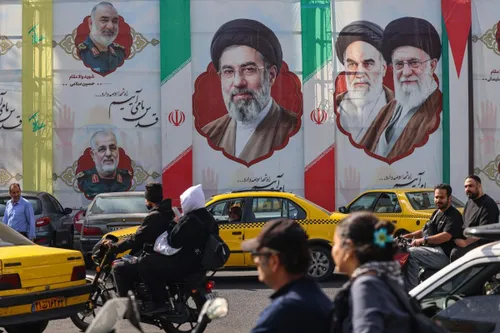
Iran warns next war with US could be longer as Trump threatens further strikes
Iran warns a renewed war with the US could last longer as Donald Trump threatens further strikes, while diplomatic efforts to prevent another escalation remain uncertain.
Two women killed in N1 crash near Kranskop as highway closed
Two women have died and five people have been injured in a head-on collision involving four vehicles on the N1 near Kranskop, forcing the closure of the northbound carriageway.

Top Stories
CSOs urge judiciary to avoid another Imo-style embarrassment in Uzodimma’s Senate case

Spence 'very proud' to break WSL appearance record

Referee accidentally fractures college football player's leg
Freedom advocates urge Nigeria to grant Africans visa-free entry
Iran warns next war with US could be longer as Trump threatens further strikes
Two women killed in N1 crash near Kranskop as highway closed
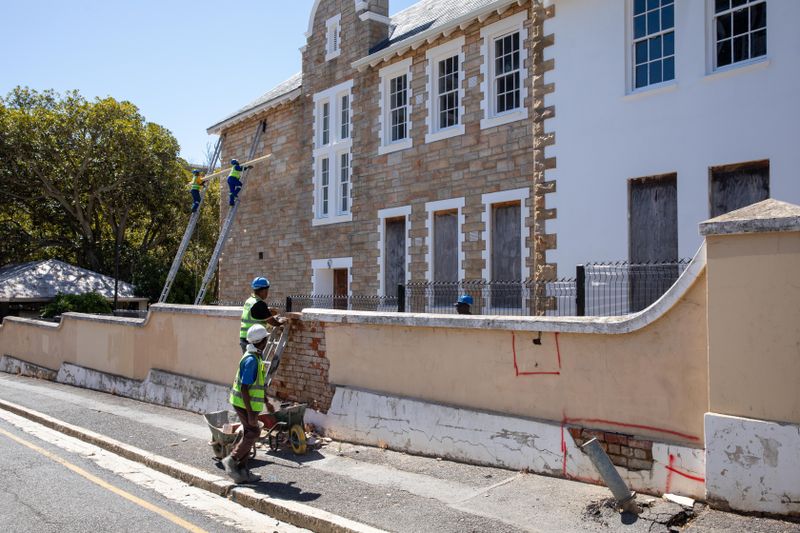
AFFORDABLE HOUSING OP-ED: CT’s Tafelberg social housing units cut by Heritage assessment

Five teenagers stabbed at Halloween party
Latest
CSOs urge judiciary to avoid another Imo-style embarrassment in Uzodimma’s Senate case
Spence 'very proud' to break WSL appearance record
Referee accidentally fractures college football player's leg
Freedom advocates urge Nigeria to grant Africans visa-free entry
Iran warns next war with US could be longer as Trump threatens further strikes
Two women killed in N1 crash near Kranskop as highway closed
AFFORDABLE HOUSING OP-ED: CT’s Tafelberg social housing units cut by Heritage assessment
Five teenagers stabbed at Halloween party