Government targets fair livestock marketing through cattle auction system

Story by Memory Chamisa
GOVERNMENT has revived the formal public livestock auction system as part of efforts to protect farmers from exploitation, improve market access and strengthen the livestock sector.
The initiative comes as authorities pursue a target of increasing Zimbabwe’s national cattle herd to 12 million by 2034.
To address concerns over unfair pricing and informal livestock sales, Government is promoting regulated public cattle markets aimed at ensuring transparency and better returns for farmers.
Minister of Agriculture, Fisheries, Water and Rural Development, Dr Anxious Masuka, said the programme has already been rolled out in Matabeleland South Province through the Agricultural Marketing Authority (AMA).
“The Government has already started the cattle auction system in Matabeleland South. The programme is being implemented in line with the Livestock Growth and Recovery Plan, with special emphasis on cattle sales.
“Through the Agricultural Marketing Authority, government has developed a programme to coordinate and revive cattle auction sales throughout the country.
“The objective is to ensure fair, effective and efficient livestock marketing with a view to improving farmers’ livelihoods. Cattle farmers have complained about unfavourable prices offered by rogue buyers. This has left many farmers, particularly in rural areas, vulnerable to middlemen who purchase cattle at low prices and resell them at significantly higher margins,” he said.
The revival of formal cattle auctions is expected to improve price discovery and create better income opportunities for livestock producers.
Dr Masuka said agriculture remains a critical pillar of the economy, supporting more than 65 percent of rural households and contributing significantly to national export earnings.
“Agriculture and livestock production have evolved from being sources of household income into viable business enterprises, including goat rearing, poultry production and fish farming.
“Zimbabwe’s livestock industry is a major contributor to national food security and economic development. Government strategies under the Agricultural Development Programme are focused on modernising animal husbandry, expanding veterinary services and increasing access to inputs to enhance productivity and competitiveness in both domestic and regional markets,” he said.
Zimbabwe’s national cattle herd has grown to more than five million, representing a two percent increase from the previous year, with rural communities accounting for the bulk of production.
Government is also implementing livestock recovery initiatives, including improved breeding programmes and drought mitigation measures, to boost productivity and strengthen resilience across the sector.
The post Government targets fair livestock marketing through cattle auction system first appeared on ZBC NEWS.
Keywords
Related Stories
NEW: Zimbabwe advances AIIB membership bid following Prof Ncube’s high-level meeting in Beijing
Harmony Agere A delegation from the Ministry of Finance, Economic Development and Investment Promotion, led by Professor Mthuli Ncube, today held a meeting with the Asian Infrastructure Investment Bank (AIIB)…

Rufaro Marketing shifts focus from beerhalls to real estate development
Obey Musiwa Herald Reporter Rufaro Marketing, the Harare City Council-owned company historically known for operating beerhalls, has unveiled an ambitious turnaround strategy aimed at transforming the entity into a modern…
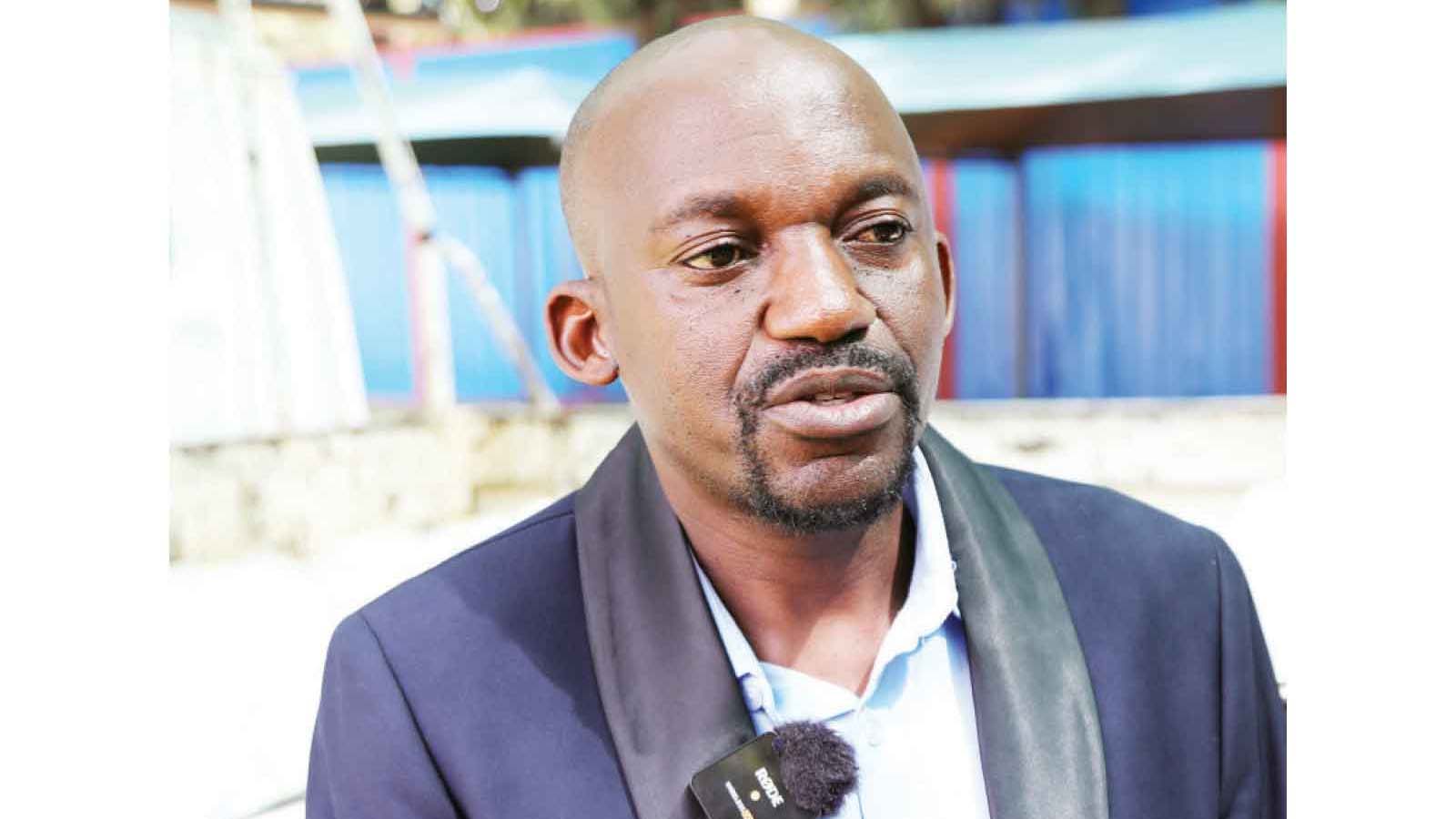
Bosso players owed one month salary, four winning bonuses
Sikhumbuzo Moyo, smoyo@chronicle.co.zw IT has been established that Highlanders Football Club players are owed one month’s salary for May and four winning bonuses. The Bulawayo giants’ dressing room is in turmoil,…

Ebola cases surge across DRC and Uganda as death toll passes 200
Story by Abigirl Tembo, Health Editor THE Ebola outbreak in the Democratic Republic of Congo (DRC) and Uganda has claimed more than 200 lives within its first month, with health authorities warning that the situation remains far from under control. According to the Africa…

Top Stories

Binance sees spike in withdrawals as exchange returns online after $6.3 billion heist

LOCAL ELECTIONS 2026: The top four parties’ final campaign pitches

Ukraine evacuates civilians from parts of Kherson region as expiry of Oleshky ceasefire nears

ARTIFICIAL INTELLIGENCE OP-ED: Forget future existential threats — AI is automating gendered violence and misogyny right now
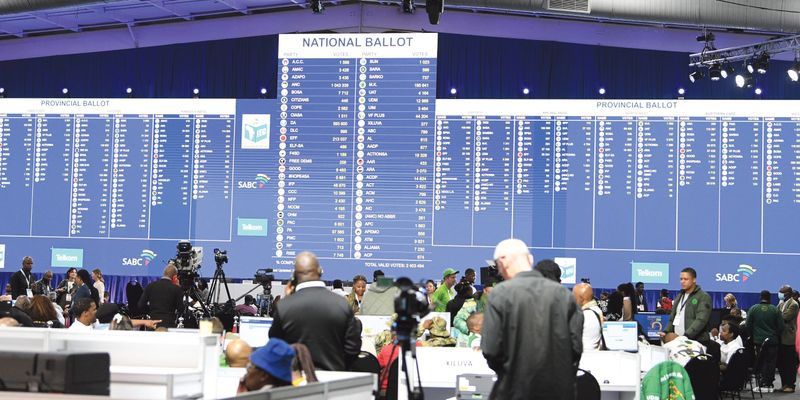
LOCAL ELECTIONS 2026: What happens after the vote? Councils, coalitions and (maybe) controversies

OUR CITY NEWS: Eighty-three parties contest crowded Joburg local government elections
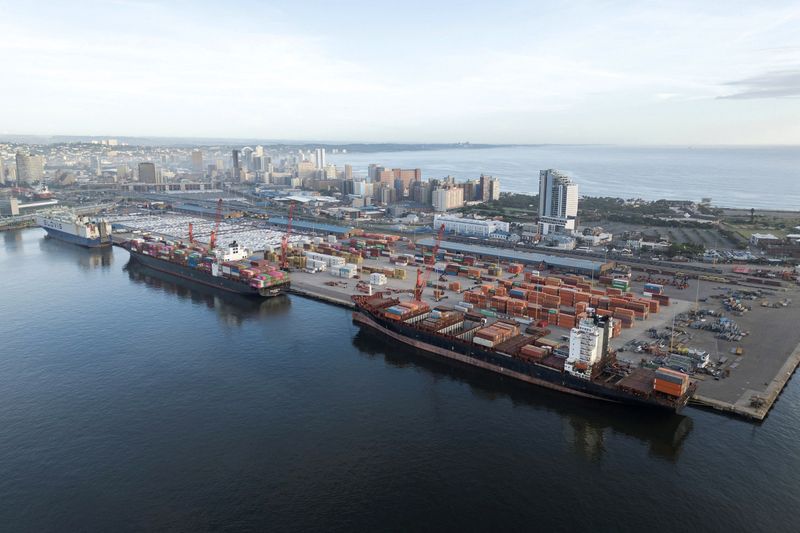
Troubled port: Transnet and foreign operator face scrutiny over backlog at Durban Gateway Terminal

BUSINESS REFLECTION: Crossed Wires: The internet’s technical debt is due, and we can’t pay
Latest
Binance sees spike in withdrawals as exchange returns online after $6.3 billion heist
LOCAL ELECTIONS 2026: The top four parties’ final campaign pitches
Ukraine evacuates civilians from parts of Kherson region as expiry of Oleshky ceasefire nears
ARTIFICIAL INTELLIGENCE OP-ED: Forget future existential threats — AI is automating gendered violence and misogyny right now
LOCAL ELECTIONS 2026: What happens after the vote? Councils, coalitions and (maybe) controversies
OUR CITY NEWS: Eighty-three parties contest crowded Joburg local government elections
Troubled port: Transnet and foreign operator face scrutiny over backlog at Durban Gateway Terminal
BUSINESS REFLECTION: Crossed Wires: The internet’s technical debt is due, and we can’t pay