'I felt isolated from normal life after suffering a stroke at 22'

Up until spring 2025, the life of content creator and PR executive Saskia Bishop was a glamorous whirlwind.
When she was not unboxing beauty products on social media, she could be found enjoying herself at gigs or jetting off to Paris with her friends for the city's fashion week.
That all changed on 21 April last year, when the then-22-year-old fell ill with a terrible headache after getting off a rollercoaster at a theme park in Southend, Essex.
"I just got this massive sharp bang in my head. It was like a bomb had gone off," said Saskia, who lives between Worcester and Gloucester.
"I was in so much pain that I couldn't tell my parents what was going on with me."
Saskia was having a stroke - specifically, a brain bleed caused by a ruptured arteriovenous malformation, an abnormal cluster of blood vessels connecting arteries and veins.
She lost the ability to speak, began to vomit violently and became disoriented, as her dad Scott called for an ambulance to take her to hospital.
After time in intensive care and a 7.5-hour operation, she had to spend many months recovering.
It would be a month before she could speak at all and another three before she could hold a conversation, while she also had to learn to walk again.
About 18 months later, the 23-year-old said she remembered the whole experience from the second it started.
She recalled an "extreme amount of pain" and being very confused, adding: "I didn't know what was going on and I couldn't speak. I think I was most confused about that."
Scott said he was unsure Saskia would survive and described it as the "most haunting" experience of his life.
"Some of the emotions and feelings will stay with me forever," he added, though he said he now felt a deep sense of gratitude and relief for her recovery.
Saskia barely left the house for nine months and initially struggled to come to terms with how much her life had changed.
"I was very busy all the time, being your typical 22-year-old girl, and then within a second, I was immediately isolated from normal life," she said.
"That was really difficult, to be by myself all the time."
As well as suffering with neurological fatigue, Saskia said she developed a form of obsessive compulsive disorder and became sensitive to loud noises and bright lights.
"The smallest things will immediately zap your energy," she added. "Even having conversations were completely tiring me out.
"People just don't understand it and a lot of people who have spent a lot of time with me still don't understand it."
But along with support from friends and family, she said connecting with other people who had been through similar situations helped her to get through it.
"That really changed my recovery to make me realise I'm not alone," Saskia added.
Life after a Stroke at 22
Available for over a year
Her story will be among those told on the Channel 4 documentary Trauma: My Broken Brain, due to air at 22:00 GMT on Monday.
She said doing the show was "very cathartic" and she wanted to help other young people with similar health problems.
"Everything I do will hopefully improve the world for young stroke survivors or people who have had a massive life shift in a split second," she said.
"It leaves you in a bit of an identity crisis, you're kind of lost."
Asked if she had any advice for those going through similar experiences, she urged them to stop comparing themselves to "who they were before".
"You'll see so much more progress because you're never going to be the person you were before and that's OK," Saskia added.
"You've had a massive life-changing event and that applies to anyone else who has had a serious life trauma that changes you over night."
Signs of a stroke
The NHS says, external the main symptoms of a stroke can happen suddenly and are remembered using the acronym FAST:
Face: One side of the face may droop and it may be difficult to smile
Face: One side of the face may droop and it may be difficult to smile
Arms: Weakness or numbness may make it hard to raise both arms and keep them there
Arms: Weakness or numbness may make it hard to raise both arms and keep them there
Speech: Speech may become slurred or confused
Speech: Speech may become slurred or confused
Time: Call 999 immediately if you think someone is having a stroke
Time: Call 999 immediately if you think someone is having a stroke
Get in touch
Tell us which stories we should cover in Hereford & Worcester
Follow BBC Hereford & Worcester on BBC Sounds, Facebook, external, X, external and Instagram, external.
Related topics
More stories like this
'My mother's stroke inspired me to learn martial arts'
- Published28 June

'My mother's stroke inspired me to learn martial arts'
Gran thanks colleagues after stroke at hospital
- Published14 March 2025

Gran thanks colleagues after stroke at hospital
'I woke up one morning and couldn't speak'
- Published21 February 2025
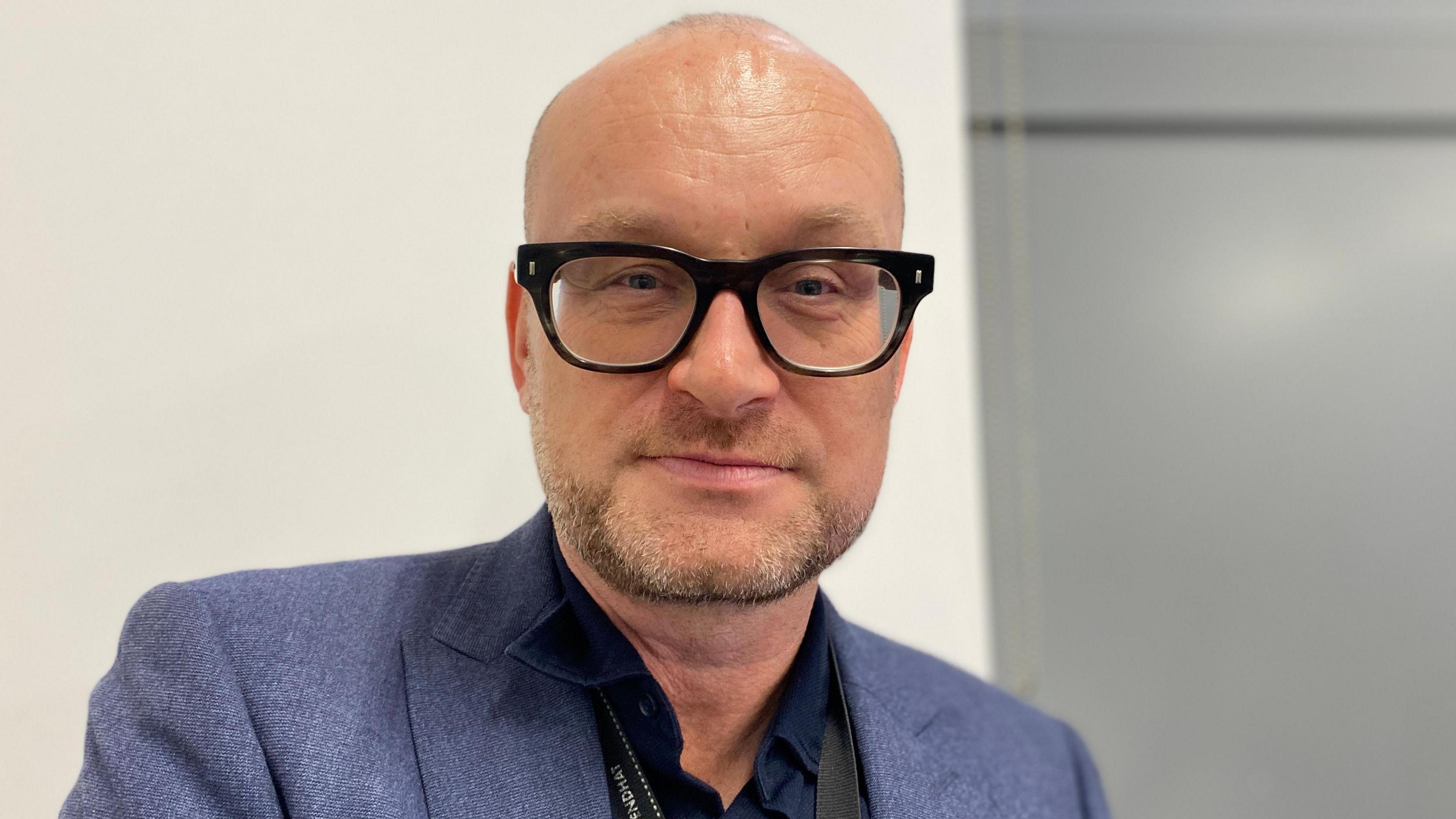
'I woke up one morning and couldn't speak'
Related internet links
Strokes - NHS
Strokes - NHS
Related Topics
Keywords
Related Stories
Five teenagers stabbed at Halloween party
Hampshire Police believes an unknown group gained entry to the party at an address in Chandler's Ford.

Second night of drone disruption at Jersey Airport
Jersey Airport said it was "experiencing disruption.... affecting inbound flights as a result of further drone activity".

Seven arrested after city centre firework disorder
Those arrested are being held on suspicion of offences including assault and possession of fireworks.

Cambridge scientist dies in Spanish train crash
Marta Shahbazi was an "inspiring, talented and passionate scientist", says the laboratory where she worked.

Top Stories

CSOs urge judiciary to avoid another Imo-style embarrassment in Uzodimma’s Senate case

Spence 'very proud' to break WSL appearance record

Referee accidentally fractures college football player's leg

Freedom advocates urge Nigeria to grant Africans visa-free entry
Iran warns next war with US could be longer as Trump threatens further strikes
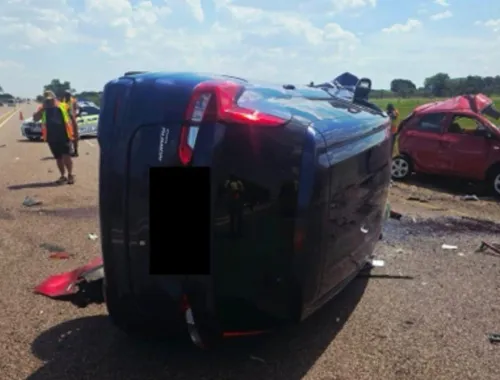
Two women killed in N1 crash near Kranskop as highway closed
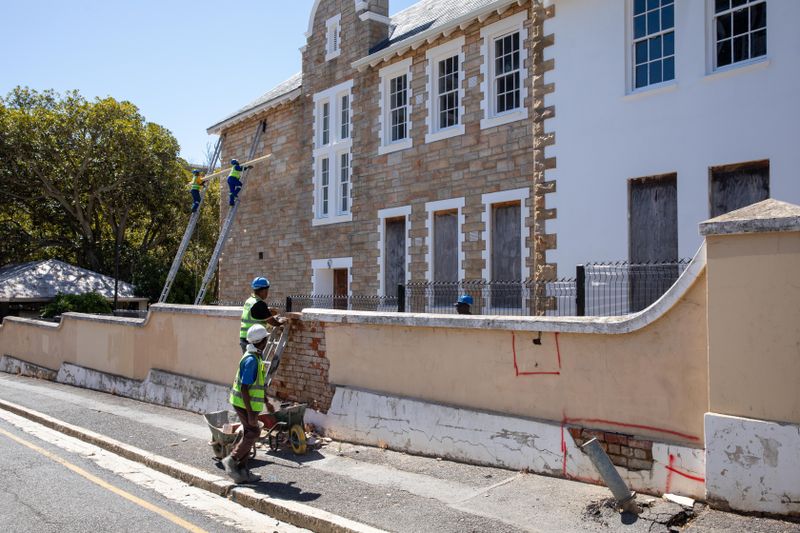
AFFORDABLE HOUSING OP-ED: CT’s Tafelberg social housing units cut by Heritage assessment
Five teenagers stabbed at Halloween party

Latest
CSOs urge judiciary to avoid another Imo-style embarrassment in Uzodimma’s Senate case
Spence 'very proud' to break WSL appearance record
Referee accidentally fractures college football player's leg
Freedom advocates urge Nigeria to grant Africans visa-free entry
Iran warns next war with US could be longer as Trump threatens further strikes
Two women killed in N1 crash near Kranskop as highway closed
AFFORDABLE HOUSING OP-ED: CT’s Tafelberg social housing units cut by Heritage assessment
Five teenagers stabbed at Halloween party