Import surge: Nigeria pays N1.9tr on petrol in May amid dip in oil prices
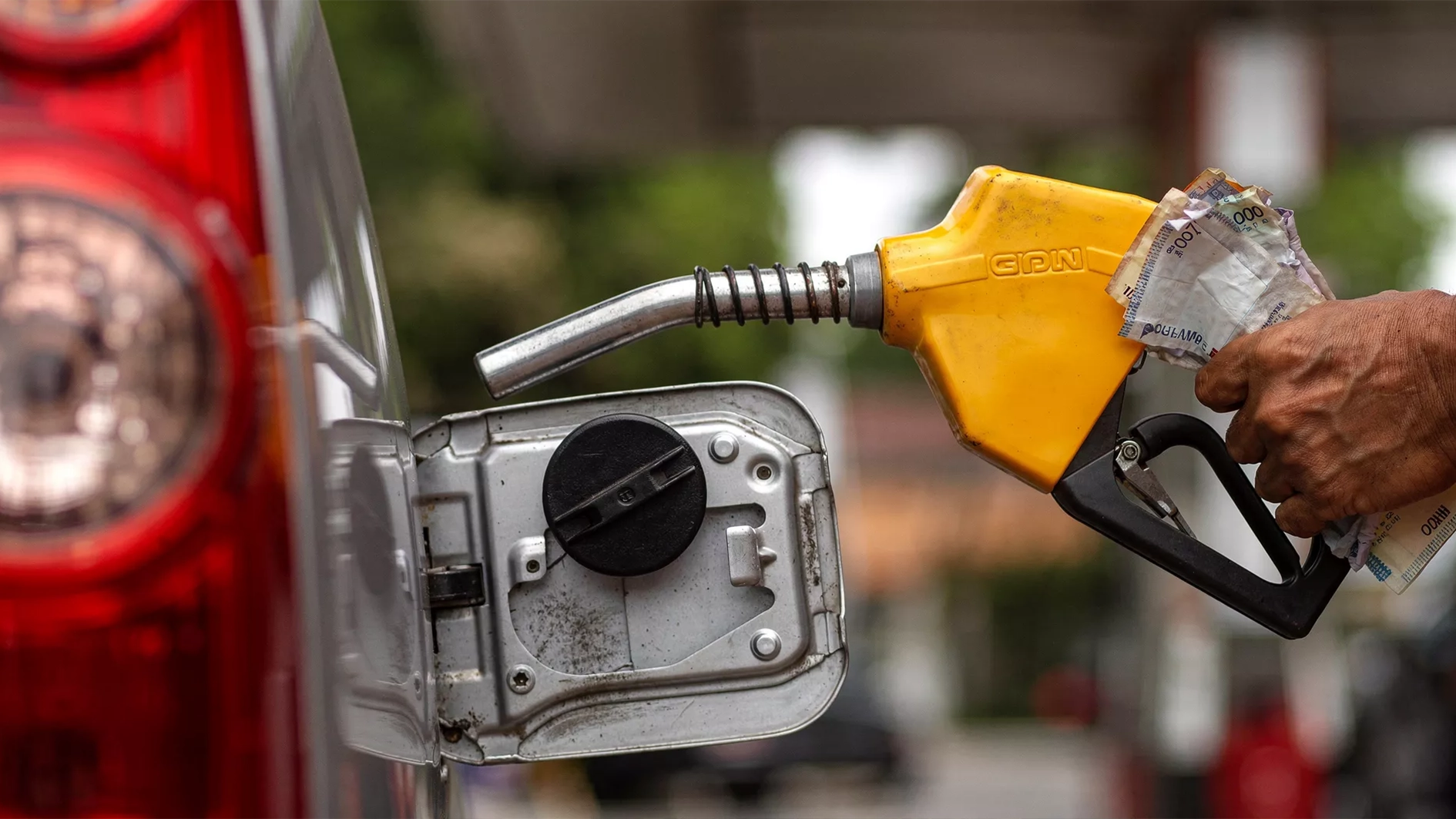
Importation of Premium Motor Spirit (PMS) surged in May by 59.5 per cent as Nigerians spent N1.9 trillion on petrol despite a slide in oil prices.
Anger, however, pervades nationwide, as many filling stations have yet to reduce PMS pump prices despite the significant drop in crude oil prices and the Dangote Refinery’s gantry petrol price.
In May, Dangote Petroleum Refinery produced 44.7 million litres of PMS per day, enough to meet nearly 90 per cent of Nigeria’s daily consumption.
A market survey yesterday morning showed that petrol prices ranged from N1317 to N1336 per litre across filling stations in Abuja.
Oil prices dropped further yesterday to $77 barrels, but the gains remain dismal for most Nigerians, as the Nigerian Midstream Downstream Petroleum Regulatory Authority (NMDPRA) said the Dangote Refinery supplied 41.5 million litres of PMS to the country in May, compared with imports, which stood at 5.9 million litres against 3.7 million in April.
The average price of PMS was between N1,317 per litres and N1,408, bringing the average to N1,362 or N1.9 trillion for the month.
An analysis of domestic supply shows that Dangote delivered approximately 41.5 million litres of PMS into the market during the month, reinforcing its growing role as a critical supplier. Yet this contribution was insufficient to offset import dependence, particularly relative to a national daily demand benchmark of about 50 million litres.
Average daily petrol supply stood at 47.4 million litres, slightly below the demand threshold, while actual consumption, measured through truck-out volumes, was estimated at 46.3 million litres per day. This suggests a narrow supply-demand balance, leaving little buffer against disruptions.
The supply outlook also reveals emerging vulnerabilities. Petrol stock sufficiency declined to 16 days in May from a peak of 33 days recorded in January 2026. Inland stock levels dropped to 13.9 days, while marine stock contributed just 2.3 days, indicating a tightening supply buffer.
This downward trend raises concerns about the sustainability of supply strategies, particularly in the absence of fully operational state-owned refineries. Port Harcourt, Warri and Kaduna refineries remained shut throughout the review period, prolonging Nigeria’s reliance on imports and private refining capacity.
Meanwhile, modular refineries offered only marginal relief. Collectively, operational plants supplied less than one million litres of diesel per day, with no significant contribution to petrol production. This highlights the limited scale and scope of modular refining in addressing Nigeria’s PMS needs.
Beyond petrol, the broader petroleum products market presented a mixed outlook. Diesel supply exceeded both demand benchmarks and consumption levels, suggesting relative stability in that segment.
Aviation fuel and Liquefied Petroleum Gas (LPG) also recorded adequate supply levels, although pricing disparities persisted across regions.
The gas sector, however, showed stronger fundamentals, with domestic supply rising steadily and new processing facilities boosting output. Total gas supply reached 4.984 billion standard cubic feet per day in May, driven by increased contributions to both domestic markets and exports.
CRUDE blends such as Brent and West Texas Intermediate have been significantly reduced to $77 and $74 per barrel from as high as $100 per barrel before the United States (U.S.) and Iran secured a peace deal.
Thereafter, Dangote reduced its gantry petrol price by N75 to N1,175 per litre following a drop in crude oil prices.
Despite crude oil’s significant reduction in petrol prices at the Dangote Refinery, petroleum marketers who own filling stations have yet to cut retail prices.
When contacted, the President of the Independent Petroleum Marketers Association of Nigeria (IPMAN), Abubakar Maigandi, simply responded: “We are in a meeting.”
In the past three months, Nigerians have been grappling with higher prices of petrol, diesel and other petroleum products linked to the Iran versus U.S. and Israel war, which escalated on February 28, 2026.
Keywords
Related Stories
ARTIFICIAL INTELLIGENCE OP-ED: Forget future existential threats — AI is automating gendered violence and misogyny right now
The current alarm about the future dangers of agentic AI might distract us from the very real AI harms already happening. As we speculate about whether machines might one day become dangerous to humankind, AI is deepening misogyny, eroding safety and automating gendered abuse.
LOCAL ELECTIONS 2026: What happens after the vote? Councils, coalitions and (maybe) controversies
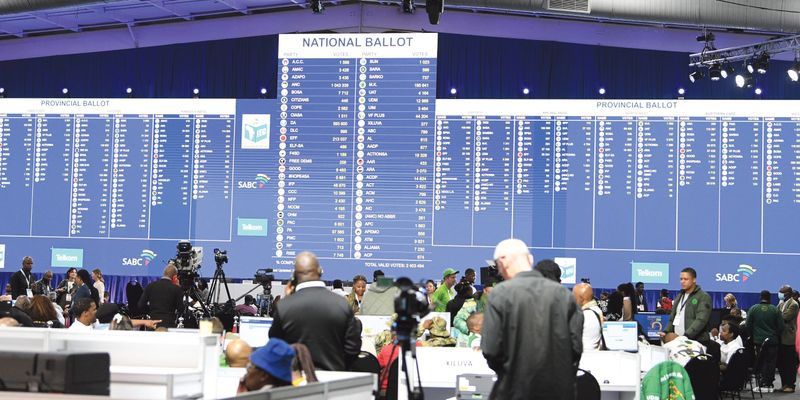
When voting in the 4 November local government election is completed, if the pollsters have been proven correct, coalitions will dominate across South Africa’s 257 councils, including most of the eight metros. Here’s what happens once the voting ends and the stations close.
OUR CITY NEWS: Eighty-three parties contest crowded Joburg local government elections
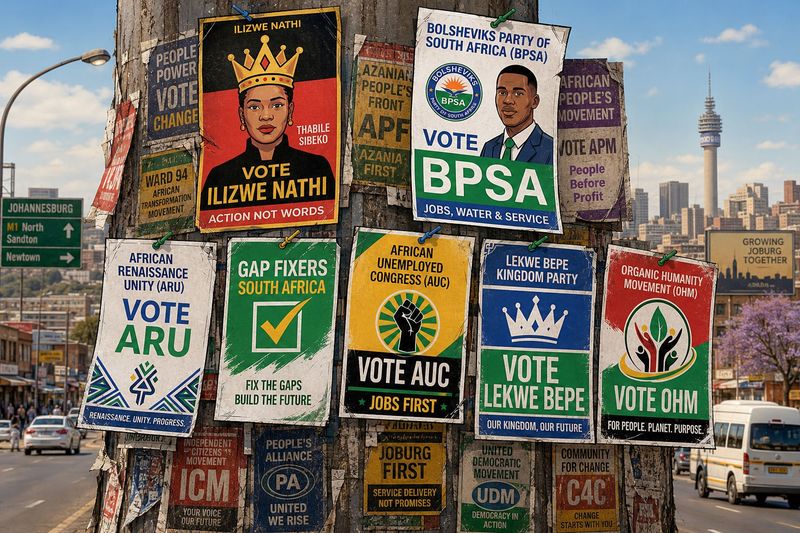
Johannesburg is the most contested municipality in SA’s local elections. Here are some of the 83 political parties in the running that you probably haven’t heard of.
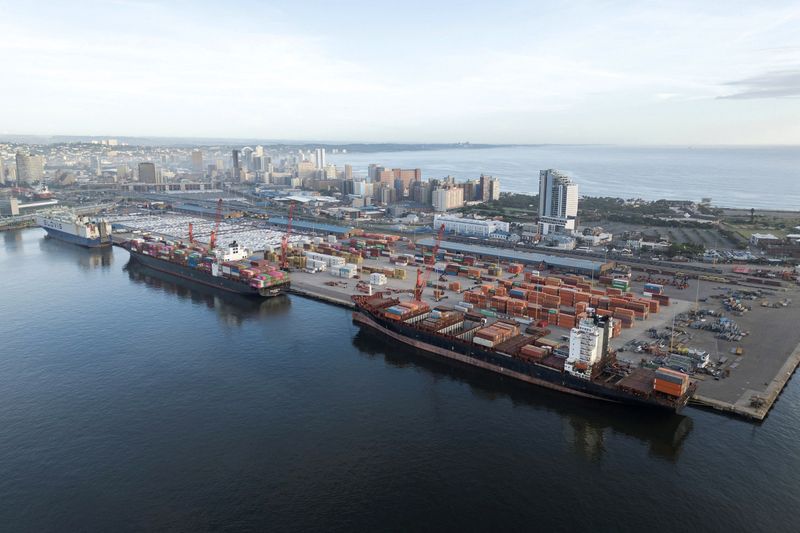
Troubled port: Transnet and foreign operator face scrutiny over backlog at Durban Gateway Terminal
The freight sector and the President are concerned about the serious slowdown of cargo at Durban harbour, but the status of Durban Gateway Terminal as a public-private partnership muddies the waters of accountability.
Top Stories
ARTIFICIAL INTELLIGENCE OP-ED: Forget future existential threats — AI is automating gendered violence and misogyny right now
LOCAL ELECTIONS 2026: What happens after the vote? Councils, coalitions and (maybe) controversies
OUR CITY NEWS: Eighty-three parties contest crowded Joburg local government elections
Troubled port: Transnet and foreign operator face scrutiny over backlog at Durban Gateway Terminal

BUSINESS REFLECTION: Crossed Wires: The internet’s technical debt is due, and we can’t pay
Investment Outlook: Did Datatec catch an AI tailwind or is it a breeze?

Okorocha chasing shadows, Uzodimma says, vows to appeal court judgement
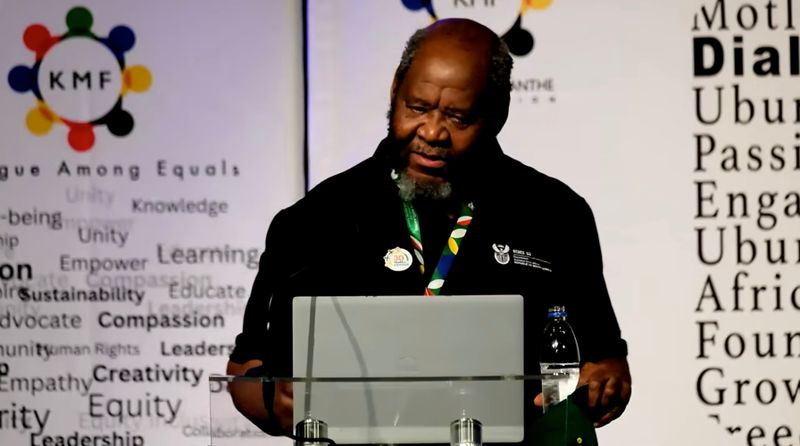
POLITICIANS PUMMELLED: SA’s path to ‘no future’ — former statistician-general Lehohla slams ‘performative’ politics
Latest
ARTIFICIAL INTELLIGENCE OP-ED: Forget future existential threats — AI is automating gendered violence and misogyny right now
LOCAL ELECTIONS 2026: What happens after the vote? Councils, coalitions and (maybe) controversies
OUR CITY NEWS: Eighty-three parties contest crowded Joburg local government elections
Troubled port: Transnet and foreign operator face scrutiny over backlog at Durban Gateway Terminal
BUSINESS REFLECTION: Crossed Wires: The internet’s technical debt is due, and we can’t pay
Investment Outlook: Did Datatec catch an AI tailwind or is it a breeze?
Okorocha chasing shadows, Uzodimma says, vows to appeal court judgement
POLITICIANS PUMMELLED: SA’s path to ‘no future’ — former statistician-general Lehohla slams ‘performative’ politics