In Southeast Asia, Switching to Solar Offers Relief from Energy Crisis Caused by Iran War

Advertisement
In March, a few weeks after the war in Iran began jolting energy markets, Heidi Mendoza had solar panels installed on the roof of her three-story house in Marikina, Philippines, from where she teaches financial literacy classes online. “I got scared that we might lose electricity,” she said.
Last month, Ming Kuang Chai, an architect in Kuala Lumpur, Malaysia, made a similar addition to his home. “The Iran war, and the fact that I drive an electric car, pushed me to install the panels quickly to manage my living costs,” he said.
Adiana Julia hopes to add her parents’ house in Yogyakarta, Indonesia, to the solar-powered ranks early next year. “It’s better if we can find ways to reduce our dependence on the grid,” she said.
This shift is occurring in many parts of Southeast Asia, a region whose energy sector is heavily reliant on oil imported via the Strait of Hormuz, which has been effectively closed since the war began. The United States and Iran have announced a preliminary agreement to end the war and the strait may reopen soon. But the economic fallout from the conflict will last much longer, and in some cases may change consumer behavior for good.
Days after U.S.-Israeli strikes on Iran started the war on Feb. 28, the Philippines declared a national emergency, warning of rolling blackouts as the price of oil skyrocketed when traffic in the strait came to a standstill. That was the cue for Ms. Mendoza, 63, who had long considered adding solar power to her house. She spent 390,000 Philippine pesos, about $6,500, to prevent disruptions in power supply.
Otherwise, she said, “I wouldn’t be able to do my online work.”
The increase in demand has been beneficial to China, the world’s largest maker of solar panels. In March, it sold 5.5. gigawatts of solar capacity to Southeast Asia, more than twice as much as the previous year, according to Wood Mackenzie, a consulting firm. That capacity is enough to power 1.45 million homes for a year, said Wan Afiq Naqiuddin, an analyst at the firm.
Thank you for your patience while we verify access. If you are in Reader mode please exit and log into your Times account, or subscribe for all of The Times.
Thank you for your patience while we verify access.
Already a subscriber? Log in.
Want all of The Times? Subscribe.
Related Content
Advertisement
Keywords
Related Stories
Thousands of jobs at Virgin Media O2 to be cut
The broadband provider has not finalised the number of roles to be axed but it will likely be a sizeable chunk of its workforce, the BBC understands.

Shops looted as German cost-of-living protests turn violent
The protests in cities across Germany - including Berlin, Hamburg and Frankfurt - came on the same day hundreds of thousands also protested in France.

Energy bills help 'doesn't go far enough'
Families in the West Midlands say they are worried about paying winter energy bills.

Diwali hampers to bring hope to families in need
The Diwali Basket Brigade volunteers want to help vulnerable households with rising food prices.

Top Stories

Binance sees spike in withdrawals as exchange returns online after $6.3 billion heist

LOCAL ELECTIONS 2026: The top four parties’ final campaign pitches

Ukraine evacuates civilians from parts of Kherson region as expiry of Oleshky ceasefire nears

ARTIFICIAL INTELLIGENCE OP-ED: Forget future existential threats — AI is automating gendered violence and misogyny right now
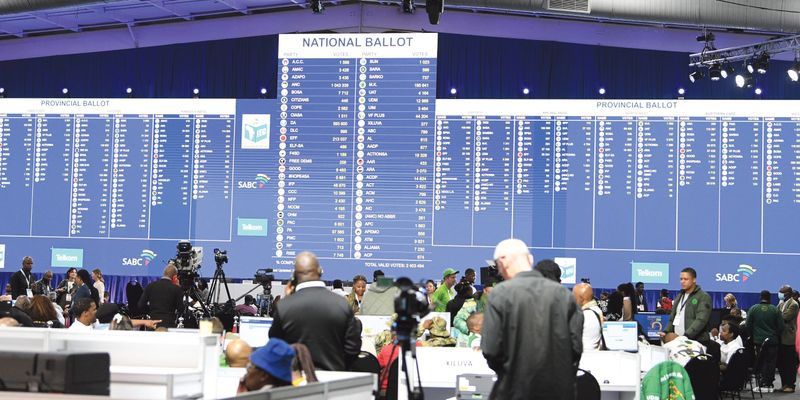
LOCAL ELECTIONS 2026: What happens after the vote? Councils, coalitions and (maybe) controversies

OUR CITY NEWS: Eighty-three parties contest crowded Joburg local government elections
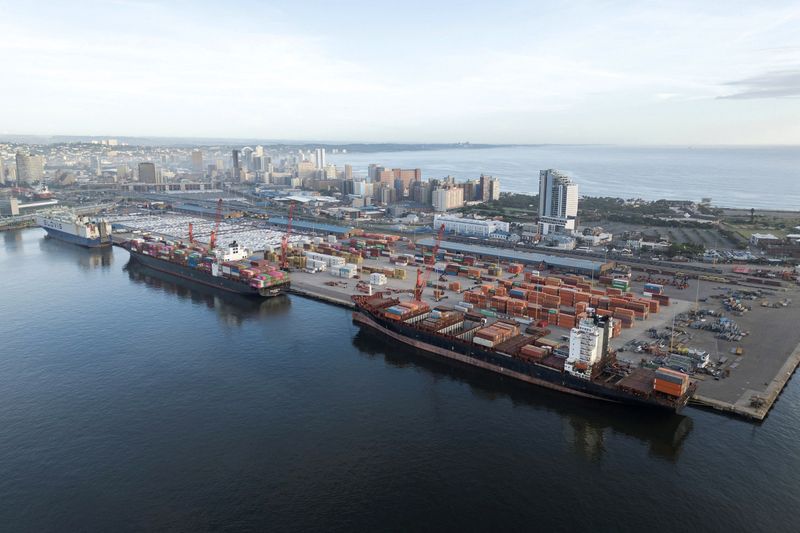
Troubled port: Transnet and foreign operator face scrutiny over backlog at Durban Gateway Terminal

BUSINESS REFLECTION: Crossed Wires: The internet’s technical debt is due, and we can’t pay
Latest
Binance sees spike in withdrawals as exchange returns online after $6.3 billion heist
LOCAL ELECTIONS 2026: The top four parties’ final campaign pitches
Ukraine evacuates civilians from parts of Kherson region as expiry of Oleshky ceasefire nears
ARTIFICIAL INTELLIGENCE OP-ED: Forget future existential threats — AI is automating gendered violence and misogyny right now
LOCAL ELECTIONS 2026: What happens after the vote? Councils, coalitions and (maybe) controversies
OUR CITY NEWS: Eighty-three parties contest crowded Joburg local government elections
Troubled port: Transnet and foreign operator face scrutiny over backlog at Durban Gateway Terminal
BUSINESS REFLECTION: Crossed Wires: The internet’s technical debt is due, and we can’t pay