Iran executes three men for 'armed unrest' after January protests

Iran has executed three men accused of carrying out armed unrest during January's anti-government protests, according to state media.
Hassan Dioband, Hamid Kazemi and Reza Zanganeh were accused of throwing Molotov cocktails and grenades, using bladed weapons and firearms, and setting fire to public facilities in the city of Karaj, west of Tehran, Iran's state news agency Tasnim, external reported.
The executions are the latest in a series linked to the protests, including those of people accused of having ties to Israel and the United States.
The number of executions in Iran has increased since US-Israeli strikes on the Islamic Republic began in late February.
The protest movement initially sparked in December last year by the high cost of living rapidly evolved into widespread anti-government demonstrations that peaked on 8 and 9 of January.
Iranian authorities reported more than 3,000 deaths, and blamed the violence on "terrorist acts" orchestrated by the US and Israel.
However foreign-based NGOs gave higher figures and the BBC received multiple accounts from Iranians of security forces opening fire on unarmed protesters.
Tasnim reported that the three men were executed after the Supreme Court upheld their convictions and found them guilty of "participating in operational activities on behalf of the Israeli Zionist regime, the United States and hostile groups".
The damage allegedly included an electricity substation in Karaj which caused power outages in some areas.
Dioband was arrested on 11 January after investigations identified him as a suspect in attacks on public property and incitement to violence.
Ten others accused of taking part in the unrest under his supervision were later arrested.
Reuters news agency reports that they received prison terms of 5 to 10 years.
The latest executions in Iran come after the UN human rights chief Volker Türk said he was alarmed by the rise in death penalties.
In August, Türk said at least 56 people had been executed on national security-related charges since 19 March, including 27 in cases linked to January's nationwide anti-government protests.
Iran is thought to be the world's second-most prolific executioner after China. Last year, it put to death at least 2,159 people, according to Amnesty International.
The human rights group said that was the highest figure on record since 1981 and included 45 executions of suspected dissidents on national security-related charges.
Related topics
Iran killed her teenage daughter - now she is facing up to the regime
- Published6 days ago

Iran killed her teenage daughter - now she is facing up to the regime
Some Iranians fear the regime is now more entrenched - and ready for revenge
- Published4 May

Some Iranians fear the regime is now more entrenched - and ready for revenge
Executions in Iran estimated to have doubled in 2025, report says
- Published28 December 2025

Executions in Iran estimated to have doubled in 2025, report says
Originally published and reported by BBC World.
Read original coverage on BBC WorldKeywords
Related Stories
Europe to join U.S.-brokered Ukraine talks in Abu Dhabi, defying Kremlin objections
France says European officials will attend this week's U.S.-mediated Russia-Ukraine talks in Abu Dhabi, the first three-way round of negotiations since February.
Surgeon having lunch near Krakow shooting undoubtedly saved officer's life, colleague says
Further details have emerged about two police officers hailed for preventing a Polish gunman from killing more.

No clear winner in New Zealand election, as leaders prepare for weeks of talks
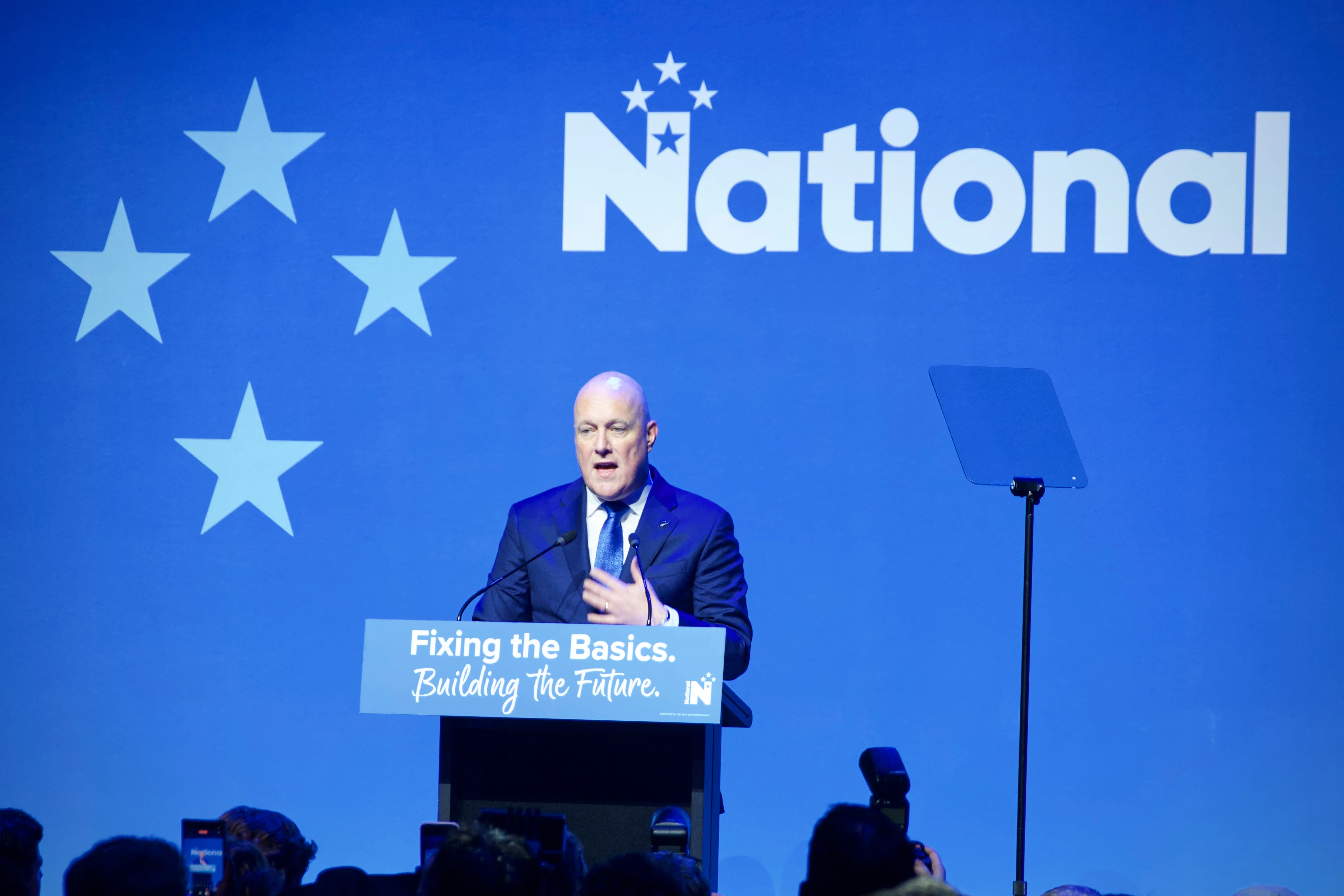
Prime Minister Christopher Luxon, who will lead a caretaker government while negotiations take place, said: "I think everyone's over politics so let's all have a bit of a break for the next three weeks".
After a successful trip to Uruguay, Pope Leo heads to Argentina
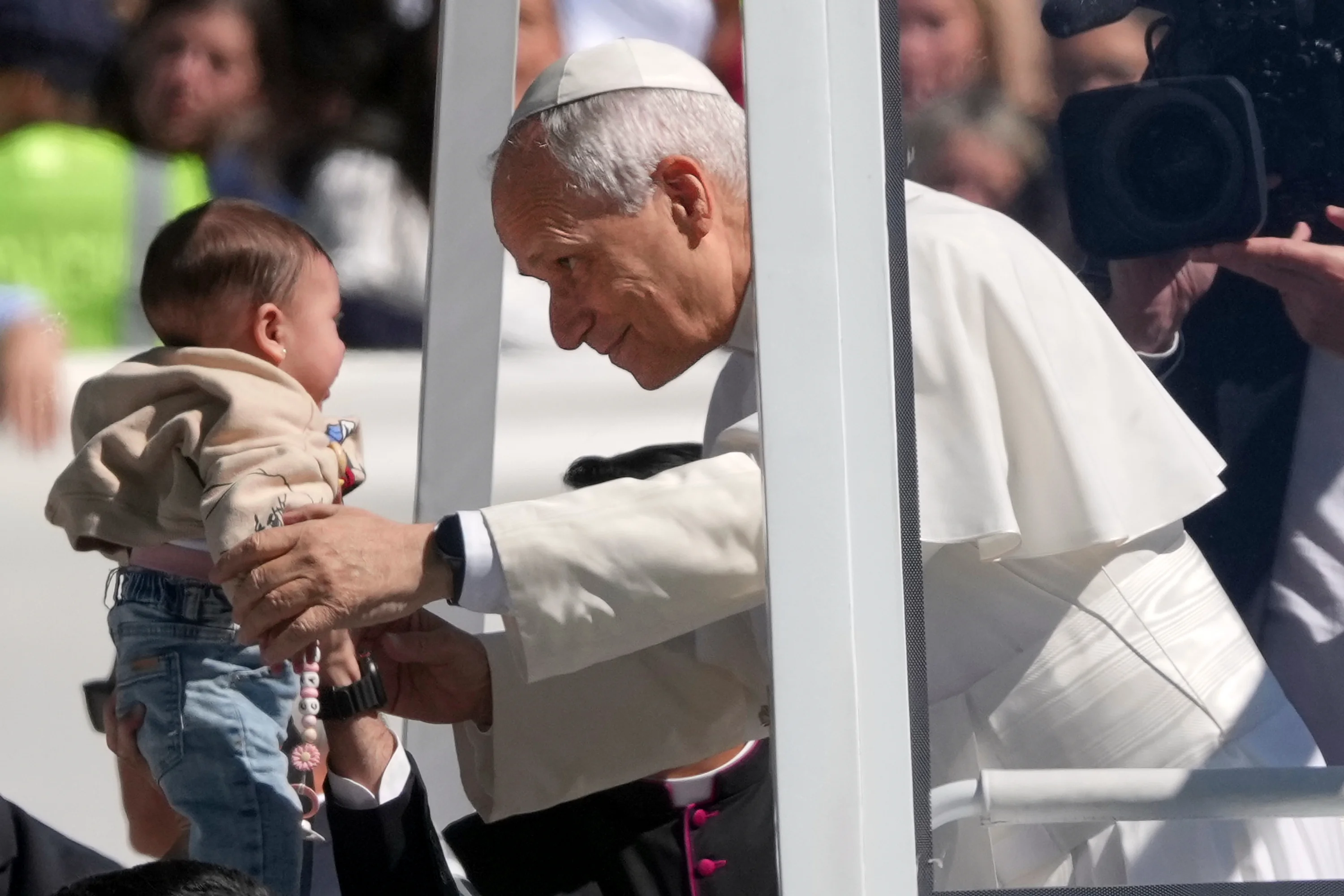
On Sunday, tens of thousands packed the main square in Florida, Uruguay, to watch Pope Leo speak.
Top Stories
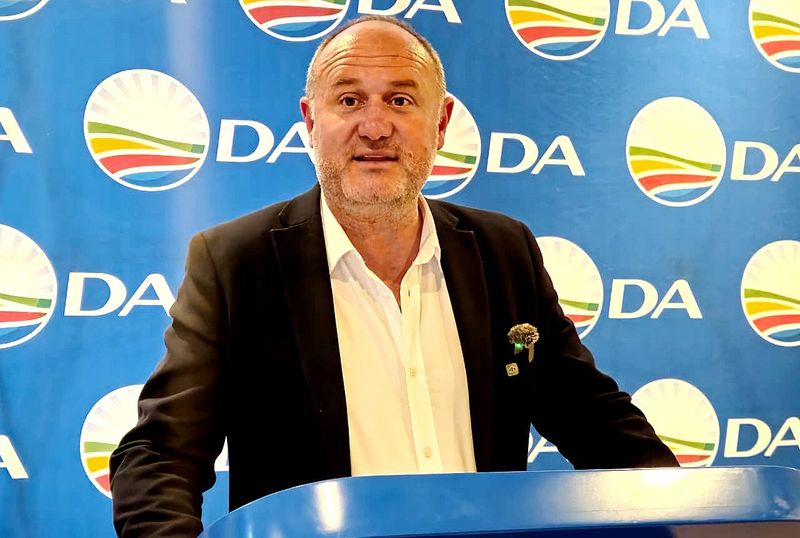
LOCAL ELECTIONS 2026: DA goes on coalition offensive as battle for Nelson Mandela Bay begins

BUSINESS REFLECTION: Crossed Wires: What happens to Big Tech now after the midterms?

WORKING MODEL: Beyond state jobs — Thuli Madonsela on the Constitution’s true economic mandate
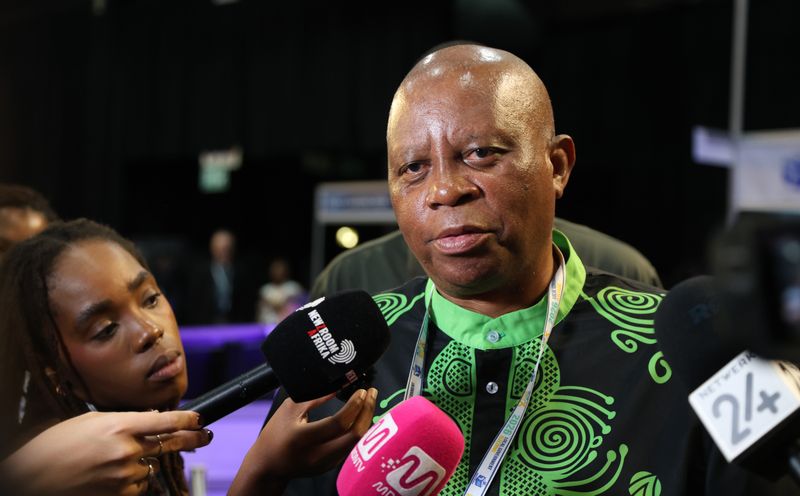
14 DAYS TO FIX LOCAL: Herman Mashaba: ‘Very, very slim’ chance of coalitions with the DA
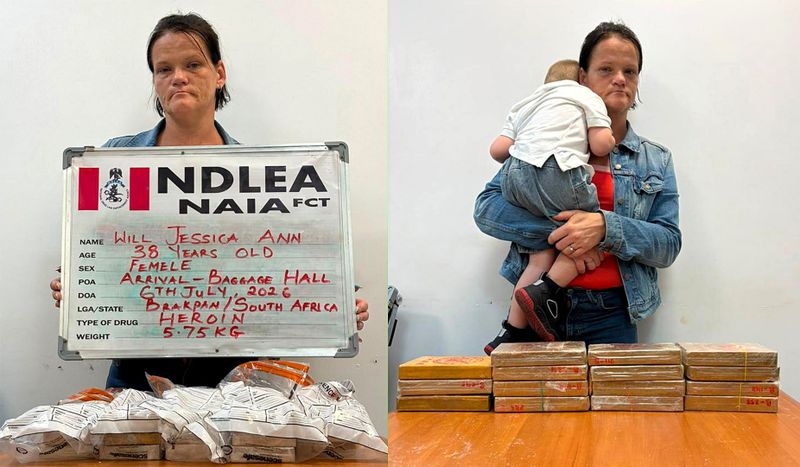
TRANSNATIONAL TRAFFICKING: South Africans entering Nigeria and fuelling global cartel drug trafficking, security briefing hears
LOCAL ELECTIONS 2026: KZN coalition dilemma: Will election losers find their way back to power?

ROYAL ADDRESS: Princess Anne praises SA’s agricultural industry in whistle-stop visit to Cape
LOCAL ELECTIONS 2026 OP-ED: The DA hammered the ANC in Emfuleni — the how and the why
Latest
LOCAL ELECTIONS 2026: DA goes on coalition offensive as battle for Nelson Mandela Bay begins
BUSINESS REFLECTION: Crossed Wires: What happens to Big Tech now after the midterms?
WORKING MODEL: Beyond state jobs — Thuli Madonsela on the Constitution’s true economic mandate
14 DAYS TO FIX LOCAL: Herman Mashaba: ‘Very, very slim’ chance of coalitions with the DA
TRANSNATIONAL TRAFFICKING: South Africans entering Nigeria and fuelling global cartel drug trafficking, security briefing hears
LOCAL ELECTIONS 2026: KZN coalition dilemma: Will election losers find their way back to power?
ROYAL ADDRESS: Princess Anne praises SA’s agricultural industry in whistle-stop visit to Cape
LOCAL ELECTIONS 2026 OP-ED: The DA hammered the ANC in Emfuleni — the how and the why