Iran Bids Farewell to Supreme Leader Ali Khamenei
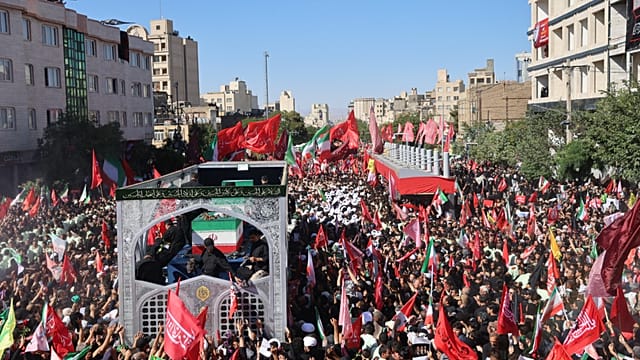
Iran has laid to rest its late Supreme Leader, Ali Khamenei, marking the end of a six-day period of public mourning. The burial ceremony took place at the Imam Reza shrine in Mashhad, a site considered the holiest for Shia Muslims in Iran. This significant event drew huge crowds of mourners who had gathered to pay their respects to the late leader.
The Imam Reza shrine, being Iran's most revered Shia Muslim site, was chosen as the final resting place for Khamenei. The decision to bury him there underscores the importance of the location and the significance of Khamenei's position in the country. Thousands of mourners participated in funeral prayers on the final day of the ceremonies, demonstrating the outpouring of grief and respect for the late Supreme Leader.
The period of mourning, which began on Saturday, saw the shutdown of streets, airspace, and daily life in Iran. This disruption highlights the impact of Khamenei's passing on the country and its people. The authorities' decision to suspend normal activities during this time reflects the gravity of the situation and the need for the nation to come together in mourning.
As the news of Khamenei's passing spread, thousands of people gathered in various locations to participate in mourning ceremonies. The crowds that assembled in Mashhad and other parts of the country were a testament to the late leader's influence and the sense of loss felt by the Iranian people. The burial at the Imam Reza shrine marks the culmination of these ceremonies and the beginning of a new era for Iran.
The age of the late Supreme Leader, 86, is a detail that has been confirmed by reports. This information provides context about Khamenei's life and tenure as the leader of Iran. However, the focus remains on the events surrounding his passing and the nation's response to this significant loss.
In the midst of mourning, the city of Mashhad, which is also Khamenei's birthplace, played a central role in the ceremonies. The choice of Mashhad as the location for the burial is symbolic, given its connection to the late leader's life and its status as a sacred site for Shia Muslims. The city's significance has been underscored by the massive turnout of mourners who traveled to pay their respects.
As Iran bids farewell to its Supreme Leader, the country is expected to enter a period of transition. The details of what this transition will entail are not yet clear, but the mourning period has provided a glimpse into the nation's response to Khamenei's passing. The burial at the Imam Reza shrine serves as a poignant conclusion to the ceremonies, marking the end of an era and the beginning of a new chapter in Iran's history.
The coming days and weeks will likely be crucial in determining the course of events in Iran. While the immediate focus has been on mourning and paying respects to the late Supreme Leader, attention will soon shift to the future and the implications of Khamenei's passing for the country and its people. For now, the nation remains in a state of mourning, reflecting on the life and legacy of Ali Khamenei.
Keywords
Related Stories
'My Lord' Stays: Uganda's Judiciary Rejects Bid to Retire Colonial Courtroom Rituals
Uganda's judiciary has rejected a Law Society directive telling lawyers to stop calling judges 'My Lord' and to stop bowing in court, in a clash over whether colonial-era traditions still belong in African courtrooms.

Nigeria Suspends US Visa Centre Operator, Sending Applicants to Its Embassies
Nigeria has suspended Online Integrated Solutions, the operator of its visa application centres in the United States, with immediate effect — directing applicants to apply directly at its embassy in Washington and consulates in New York and Atlanta.
Africa CDC: Ebola Infections Are Outpacing the Response as DR Congo Deaths Hit 600
The Africa Centres for Disease Control warns that rising Ebola infections continue to outstrip the response in DR Congo, where 1,759 confirmed cases and 600 deaths have overwhelmed treatment centres nearing capacity.
Kenya's Saba Saba Toll Rises to 38 as Ruto Warns Police Will Shoot 'Looters'
The death toll from Kenya's Saba Saba protests has climbed to 38 with 131 injured — the deadliest since President Ruto took office — as he dismissed the demonstrations as an attempt to destabilise the country.

Top Stories
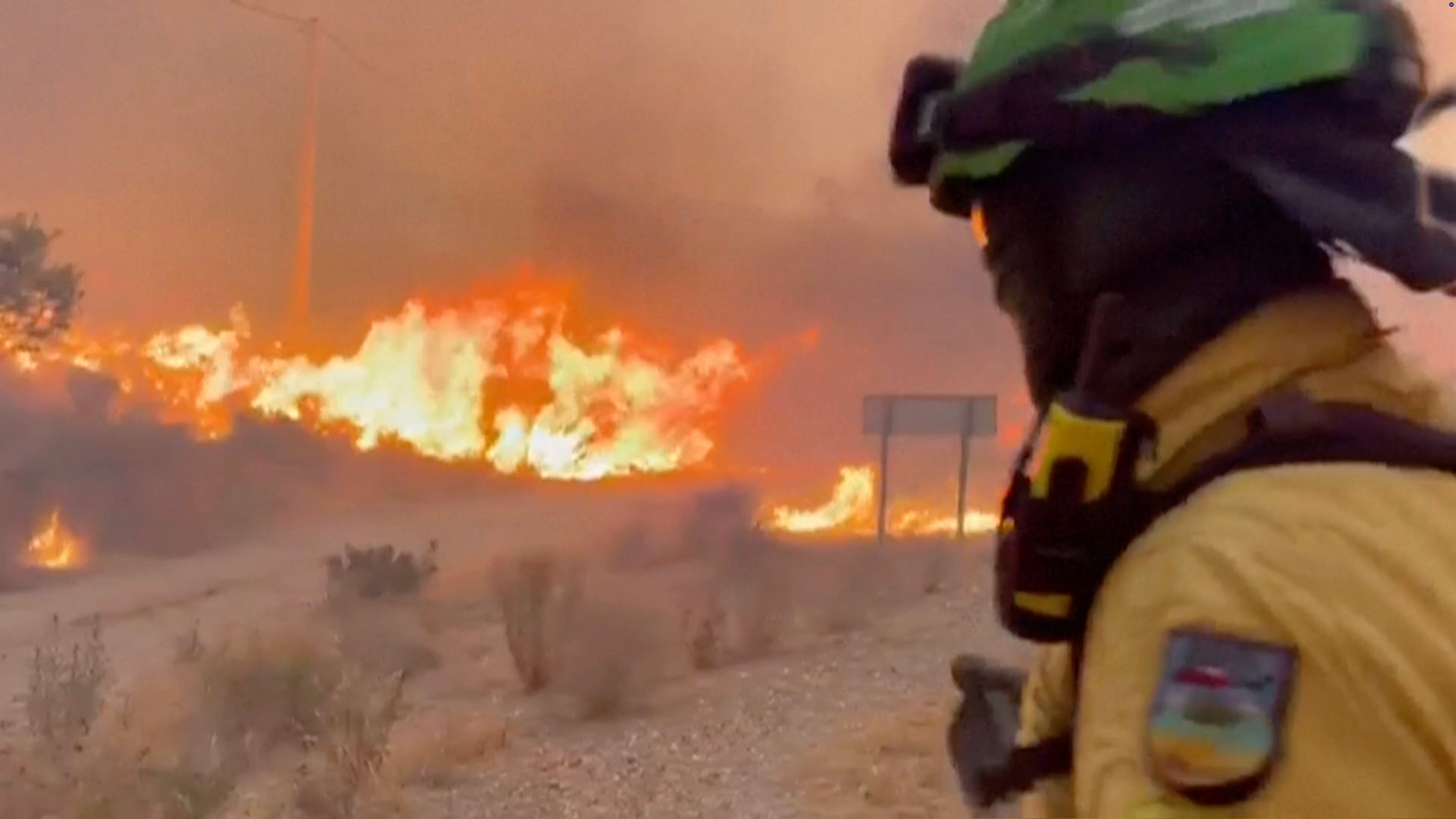
Spain Wildfire Claims Multiple Lives
World Cup Semi-Final Picture Takes Shape as Spain Meet Belgium
Le Pen Says She Will Run for the French Presidency Despite Embezzlement Sentence

Israeli Strikes Kill in Lebanon and Gaza as the Ceasefire Frays Further
'My Lord' Stays: Uganda's Judiciary Rejects Bid to Retire Colonial Courtroom Rituals

Muchova Saves Match Point to Beat Gauff and Set Up an All-Czech Wimbledon Final

Djokovic Outlasts Auger-Aliassime in Wimbledon's Longest Ever Quarter-Final
Kenya's Saba Saba Toll Rises to 38 as Ruto Warns Police Will Shoot 'Looters'

Latest
Spain Wildfire Claims Multiple Lives
World Cup Semi-Final Picture Takes Shape as Spain Meet Belgium
Le Pen Says She Will Run for the French Presidency Despite Embezzlement Sentence
Israeli Strikes Kill in Lebanon and Gaza as the Ceasefire Frays Further
'My Lord' Stays: Uganda's Judiciary Rejects Bid to Retire Colonial Courtroom Rituals
Muchova Saves Match Point to Beat Gauff and Set Up an All-Czech Wimbledon Final
Djokovic Outlasts Auger-Aliassime in Wimbledon's Longest Ever Quarter-Final
Kenya's Saba Saba Toll Rises to 38 as Ruto Warns Police Will Shoot 'Looters'