'My Lord' Stays: Uganda's Judiciary Rejects Bid to Retire Colonial Courtroom Rituals

A quiet constitutional argument is playing out in Uganda's courtrooms, and it concerns two words: 'My Lord'.
The Uganda Law Society issued a directive instructing lawyers to stop addressing judges as 'My Lord' or 'My Lady', and to abandon the practice of bowing when entering and leaving court. The Society argued that these are colonial-era inheritances — the wigs-and-deference apparatus of British courts transplanted onto African soil — and should give way to simpler, more modern forms of address.
The judiciary has rejected the directive outright, declining to accept that a professional body can unilaterally rewrite the protocol of the courts.
The dispute is smaller than the questions it opens. Across the continent, post-independence states inherited legal systems, procedures and rituals wholesale from their colonisers, and the debate over which to keep has never quite resolved. Some argue the formality of the courtroom — the honorifics, the bow, the robes — communicates the gravity of justice and the independence of the bench, whatever its origins. Others see costume drama borrowed from a system built to rule Africans rather than serve them.
What gives the argument weight is timing. Judiciaries across East Africa are under intense public scrutiny over their independence, their handling of political cases and their distance from the citizens they serve. A profession quarrelling over how to address a judge is also, unavoidably, a profession asking what a judge is for — and to whom the courtroom belongs.
Related Topics
Keywords
Related Stories
Nigeria Suspends US Visa Centre Operator, Sending Applicants to Its Embassies
Nigeria has suspended Online Integrated Solutions, the operator of its visa application centres in the United States, with immediate effect — directing applicants to apply directly at its embassy in Washington and consulates in New York and Atlanta.
Africa CDC: Ebola Infections Are Outpacing the Response as DR Congo Deaths Hit 600
The Africa Centres for Disease Control warns that rising Ebola infections continue to outstrip the response in DR Congo, where 1,759 confirmed cases and 600 deaths have overwhelmed treatment centres nearing capacity.
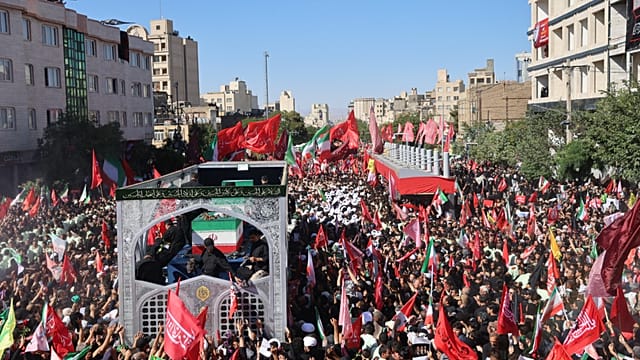
Iran Bids Farewell to Supreme Leader Ali Khamenei
Ali Khamenei was buried at the Imam Reza shrine in Mashhad.
Kenya's Saba Saba Toll Rises to 38 as Ruto Warns Police Will Shoot 'Looters'
The death toll from Kenya's Saba Saba protests has climbed to 38 with 131 injured — the deadliest since President Ruto took office — as he dismissed the demonstrations as an attempt to destabilise the country.

Top Stories
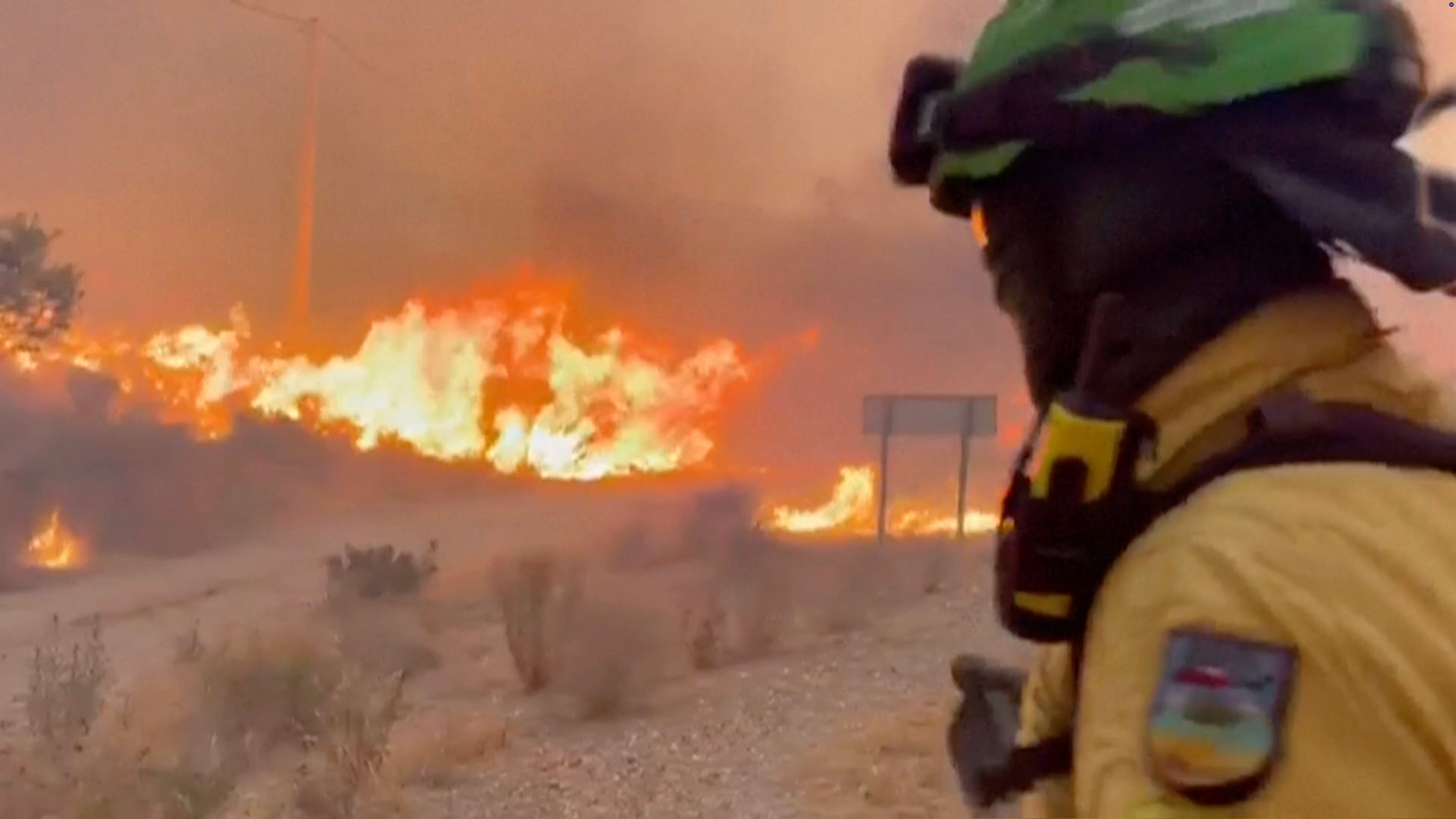
Spain Wildfire Claims Multiple Lives
World Cup Semi-Final Picture Takes Shape as Spain Meet Belgium
Le Pen Says She Will Run for the French Presidency Despite Embezzlement Sentence

Israeli Strikes Kill in Lebanon and Gaza as the Ceasefire Frays Further
Nigeria Suspends US Visa Centre Operator, Sending Applicants to Its Embassies

Muchova Saves Match Point to Beat Gauff and Set Up an All-Czech Wimbledon Final

Djokovic Outlasts Auger-Aliassime in Wimbledon's Longest Ever Quarter-Final
Iran Bids Farewell to Supreme Leader Ali Khamenei

Latest
Spain Wildfire Claims Multiple Lives
World Cup Semi-Final Picture Takes Shape as Spain Meet Belgium
Le Pen Says She Will Run for the French Presidency Despite Embezzlement Sentence
Israeli Strikes Kill in Lebanon and Gaza as the Ceasefire Frays Further
Nigeria Suspends US Visa Centre Operator, Sending Applicants to Its Embassies
Muchova Saves Match Point to Beat Gauff and Set Up an All-Czech Wimbledon Final
Djokovic Outlasts Auger-Aliassime in Wimbledon's Longest Ever Quarter-Final
Iran Bids Farewell to Supreme Leader Ali Khamenei