Kaposi sarcoma claims lives of South Africans with HIV, despite the ART rollout

 Cape Town. Image credit: t.bo79/flickr. Creative Commons licence CC BY-NC-SA 2.0. Image is for illustrative purposes only.
Patients with Kaposi sarcoma (KS) in South Africa are presenting late to healthcare facilities and have an overall poor prognosis, despite the decade-long rollout of antiretroviral therapy (ART), according to a new study.
KS is a cancer caused by the human herpes virus 8 (HHV-8) and usually appears as lesions on the skin or on mucosal surfaces, like inside the mouth or in the genital area.
While it is considered rare in the general population, it is more common in people with HIV, particularly in African countries. In South Africa, it is the second most common cancer in people living with HIV.
Kaposi's sarcoma (KS)
Lesions on the skin and/or internal organs caused by abnormal growth of blood vessels. In people living with HIV, Kaposi’s sarcoma is an AIDS-defining cancer.
prognosis
The prospect of survival and/or recovery from a disease as anticipated from the usual course of that disease or indicated by the characteristics of the patient.
virological suppression
Halting of the function or replication of a virus. In HIV, optimal viral suppression is measured as the reduction of viral load (HIV RNA) to undetectable levels and is the goal of antiretroviral therapy.
radiotherapy
A medical treatment using radiation (also known as radiation therapy). Beams of radiation may be produced by a machine and directed at a diseased area from a distance. Alternatively, radioactive material, in the form of needles, wires or pellets may be implanted in the body. Many forms of cancer can be destroyed by radiotherapy.
gastrointestinal (GI) symptoms
Relating to or affecting the gut, stomach or bowel. GI symptoms include diarrhoea, abdominal pain (cramps), constipation, gas in the gastrointestinal tract, nausea, vomiting and GI bleeding. Among several possible causes of GI symptoms are infections and antiretroviral medicines.
A recently published research study by Caitlin Turner and others at the University of Stellenbosch in the Southern African Journal of HIV Medicine tracked KS cases in Tygerberg Hospital in Cape Town between 2022 and 2024. They found that people living with HIV presented late to healthcare facilities with KS and had an overall poor prognosis.
This is particularly interesting in light of the history. When ART was rolled out throughout the country in 2004, researchers expected to see fewer cases and less mortality from KS. Initially, that seemed to be the case.
Patients presenting in the four years after the rollout had higher mortality from KS than those a few years later, between 2009 and 2012, when ART was more established. But the new study shows that this was not sustained, even though all patients in this study received ART as part of their KS treatment if they were not already taking it.
Find out more in our About HIV pagesThe researchers suggest several possible reasons why the ART implementation has not had a continued effect on KS cases. They emphasise that patients may not access HIV treatment because of “poor disease awareness, limited personal agency, lack of social support, and the use of traditional medicine.”
Challenges in the health system also had a big effect and led to delayed referrals, misdiagnoses, inadequate physical examinations, and limited essential diagnostic tools. The article does not directly describe the overall cause of these barriers, but other studies have shown that they include patient financial constraints and a lack of trust in the healthcare system.
The retrospective descriptive cohort study was based on data from the Tygerberg Hospital Adult Infectious Diseases outpatient clinic. It looked at 137 adults with an HIV-associated KS diagnosis over three years, starting in 2022.
More news from South AfricaThe study looked at survival outcomes one year after the first clinic visit, as well as the level of risk patients had, according to the AIDS Clinical Trial Group (ACTG) classification system.
Almost two decades after the mainstream introduction of ART in the country, the majority of patients in this study were on treatment, but their median CD4 count was only 122. A significant proportion of patients (38%) were also taking TB treatment.
Most importantly, in terms of results, 48 of the 137 adults (35%) died within a year of first attending the clinic. Higher mortality was linked to having a higher-risk form of KS, a lower CD4 count, or a lack of viral suppression.
Understandably, those with viral suppression were more likely to survive the first year after their KS diagnosis. Those who were not on ART at the time of diagnosis had a higher mortality than those who were. Surprisingly, the likelihood of death did not differ greatly between those who had been on treatment for a full year before diagnosis and those who had not.
Advanced disease at the time of presentation to the clinic was common. Almost all patients had a stage 1 tumour, while over half also showed stage 1 severity of systemic infection. These factors significantly correlate with increased likelihood of dying.
Those patients with the KS appearing in the visceral system, like the breathing and lung systems, were significantly more likely to have a poor prognosis. The group with KS in their gastrointestinal tract were also at risk. If patients had both lung and gastric involvement, they faced a 69% mortality.
The majority of the KS cases were treated with chemotherapy, while a small number received radiotherapy. Treatment outcomes will be reported in a separate study.
All this means that patients were presenting with later-stage KS and in higher-risk categories than clinicians would hope to see: treatments were less likely to be effective, and the cancer had already progressed. In fact, of those who died, median survival after diagnosis was just 65 days. After their diagnosis, patients were dying within a median period of 65 days.
The researchers also note that because TB is such a significant public health problem in the area, cases of KS may have been delayed because they were first misdiagnosed as TB.
Overall, this research shows a worrying trend that KS is continuing to be a problem for people with HIV in South Africa. As the researchers conclude, “these findings underscore the urgent need to retain our patients in care after HIV diagnosis.” This will maintain viral suppression, achieve durable immune reconstitution and prevent progression of diseases like KS.
ReferencesTurner et al. HIV-associated Kaposi sarcoma: Advanced disease and high mortality of patients referred to a multidisciplinary clinic in South Africa, 2022–2024. Southern African Journal of HIV Medicine, 27, a1803, 2026. https://doi.org/10.4102/sajhivmed.v27i1.1803
Image: Cape Town. Image credit: t.bo79. Available at Cape Town | t.bo79 | Flickr under a Creative Commons licence CC BY-NC-SA 2.0. Image is for illustrative purposes only.
Keywords
Related Stories
Binance sees spike in withdrawals as exchange returns online after $6.3 billion heist
Nov 1 (Reuters) - Binance customers pulled $3.64 billion, or 2.1% of its assets, as the world's biggest cryptocurrency exchange went back online on Sunday after hackers the FBI links to North Korea stole billions from the platform last week.

LOCAL ELECTIONS 2026: The top four parties’ final campaign pitches
The ANC, DA, MK party and EFF all held their final campaign rallies this weekend. Here are their final pitches to voters.

Ukraine evacuates civilians from parts of Kherson region as expiry of Oleshky ceasefire nears
Nov 1 (Reuters) - Ukraine's military said it evacuated 167 people from threatened areas of southern Kherson region on Sunday as a temporary local ceasefire neared expiry -- two days after busloads of residents were brought out of the embattled Russian-held town of Oleshky.

ARTIFICIAL INTELLIGENCE OP-ED: Forget future existential threats — AI is automating gendered violence and misogyny right now
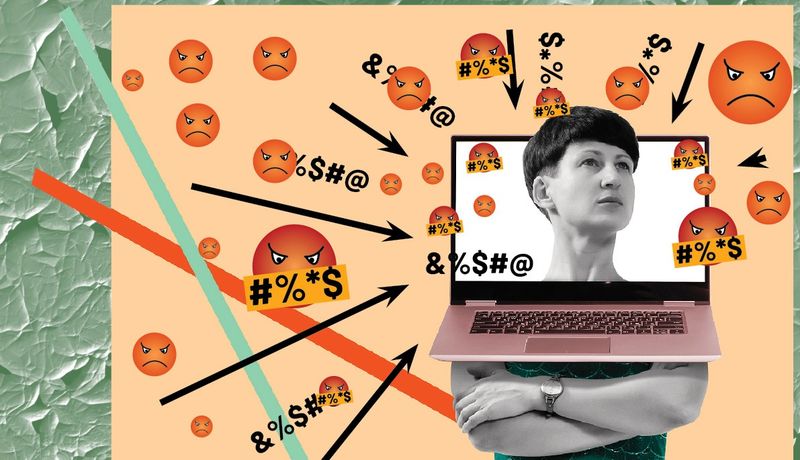
The current alarm about the future dangers of agentic AI might distract us from the very real AI harms already happening. As we speculate about whether machines might one day become dangerous to humankind, AI is deepening misogyny, eroding safety and automating gendered abuse.
Top Stories
Binance sees spike in withdrawals as exchange returns online after $6.3 billion heist
LOCAL ELECTIONS 2026: The top four parties’ final campaign pitches
Ukraine evacuates civilians from parts of Kherson region as expiry of Oleshky ceasefire nears
ARTIFICIAL INTELLIGENCE OP-ED: Forget future existential threats — AI is automating gendered violence and misogyny right now

LOCAL ELECTIONS 2026: What happens after the vote? Councils, coalitions and (maybe) controversies

OUR CITY NEWS: Eighty-three parties contest crowded Joburg local government elections

Troubled port: Transnet and foreign operator face scrutiny over backlog at Durban Gateway Terminal

BUSINESS REFLECTION: Crossed Wires: The internet’s technical debt is due, and we can’t pay
Latest
Binance sees spike in withdrawals as exchange returns online after $6.3 billion heist
LOCAL ELECTIONS 2026: The top four parties’ final campaign pitches
Ukraine evacuates civilians from parts of Kherson region as expiry of Oleshky ceasefire nears
ARTIFICIAL INTELLIGENCE OP-ED: Forget future existential threats — AI is automating gendered violence and misogyny right now
LOCAL ELECTIONS 2026: What happens after the vote? Councils, coalitions and (maybe) controversies
OUR CITY NEWS: Eighty-three parties contest crowded Joburg local government elections
Troubled port: Transnet and foreign operator face scrutiny over backlog at Durban Gateway Terminal
BUSINESS REFLECTION: Crossed Wires: The internet’s technical debt is due, and we can’t pay