Men's health: the biggest threat is not disease, but disconnection
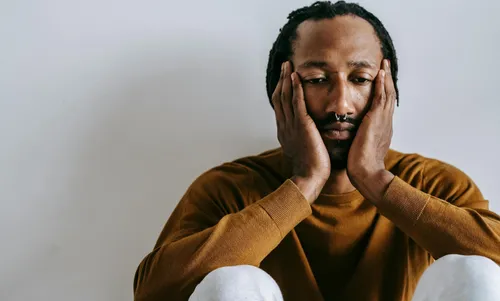
Men struggle to speak openly about depression, anxiety and emotional distress.
Manliness is not measured by biceps, beards, tattoos, or outward toughness. It is measured by the courage to open up. Real emotional resilience is not pretending you have no weak spots; it is knowing where they are, owning them, and having the humility and strength to lean on others when life becomes too heavy to carry alone.
We often think of men's health in terms of blood pressure, cholesterol, eating healthy or exercise. These are important. But some of the deepest wounds men carry cannot be measured by a blood test and rarely receives the attention it deserves.
Too many men are lonely, stressed, emotionally exhausted, and carrying burdens they never speak about. Many have been conditioned to believe that admitting struggles or asking for help is a sign of weakness. So, they suffer in silence.
Surrounded by people, they often find themselves disconnected from their own emotions, from their families, and ultimately, from their sense of purpose.
Men's health is bigger than medicine. It is about connection, purpose, and the courage to seek help.
The biggest threat to men's health is not weakness or even disease. It is pretending to be strong. It is disconnection, silence, and isolation.
Men do not, on the whole, die younger because their bodies are weaker. They die younger in part because of a script they inherited and never questioned: that a real man absorbs pain silently, handles it alone, and never admits something is wrong. That script kills.
The pretence often begins with the body. Many men ignore symptoms, postpone check-ups, and avoid difficult conversations with their doctors. They mistake denial for toughness. Tragically, warning signs are too often dismissed until a manageable problem becomes a medical emergency. But this is not strength. It is a costly performance that turns treatable conditions into life-threatening ones.
But the mask becomes most dangerous in the mind. What is true of the body is also true of the mind: pain ignored is pain multiplied.
Many men carry their fears, anxieties, disappointments, and emotional wounds in silence, believing that admitting pain somehow diminishes their masculinity. Left unattended, emotional wounds often deepen into crises that need not have been.
Many men suffer unnecessarily, not because their problems are beyond treatment, but because silence, denial, and delay stand in the way of healing. Hidden pain rarely disappears. What is buried does not vanish; it waits. It often reappears in uglier forms like anger, violence, addiction, broken relationships, emotional numbness, and self-destructive behaviour.
Tragically, for some men, the burden becomes so heavy that they would rather end their life than reveal their pain. What begins as unspoken pain can, in its darkest hour, convince a man that there is no way out; when in truth, what he needed most was a listening ear and the courage to let others in.
For generations, the image of the "strong, silent man" has been celebrated. But silence is not always strength. Sometimes, it is loneliness in disguise.
True strength is not carrying every burden alone. It is having the courage to speak, to lean on others, and to confront life's struggles with honesty. A man is not diminished by vulnerability. In fact, the willingness to seek support and express emotion may be one of the greatest acts of strength a human being can display.
Strength is not silence. Strength is the courage to heal.
It takes no courage to bottle something up and tell everyone you're fine; that's the path of least resistance. The genuinely hard and brave act is to say "I'm not okay," to book the appointment you've been dreading, to tell a friend the truth, to sit across from a therapist.
Real strength is not the absence of vulnerability; it's the willingness to face what you'd rather avoid. The man who asks for help isn't the weak one in the room. He's the one doing the thing most others are too afraid to do.
Weakness was never the enemy. Weakness is just being human; everyone has emotional problems, gets sick, scared, overwhelmed, and lost sometimes. The enemy is the mask: the relentless performance of having it all handled, which keeps men from the psychologist, therapist, doctors, the conversations, and the help that would actually keep them alive. The strongest thing a man can do is take the mask off. Support is genuinely available.
Related Topics
Keywords
Related Stories
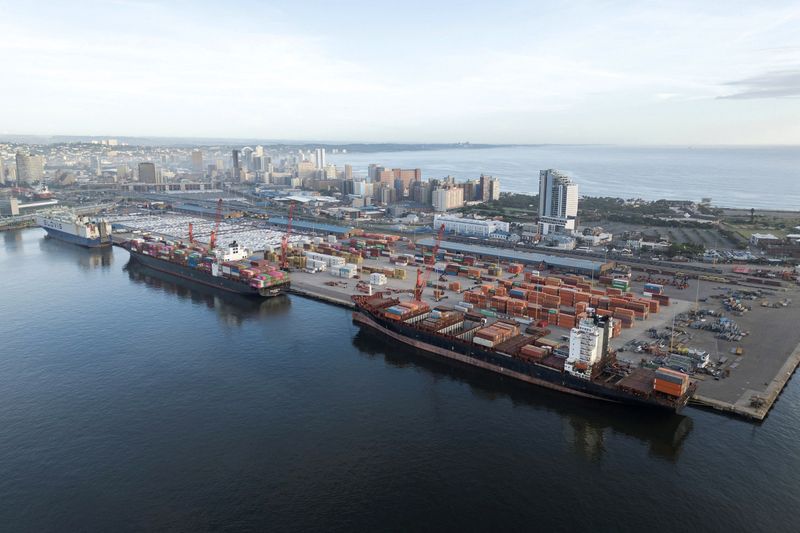
Troubled port: Transnet and foreign operator face scrutiny over backlog at Durban Gateway Terminal
The freight sector and the President are concerned about the serious slowdown of cargo at Durban harbour, but the status of Durban Gateway Terminal as a public-private partnership muddies the waters of accountability.
BUSINESS REFLECTION: Crossed Wires: The internet’s technical debt is due, and we can’t pay
From hospital equipment to bank mainframes, outdated technology is leaving critical infrastructure exposed as AI lowers the barriers to cybercrime.

Investment Outlook: Did Datatec catch an AI tailwind or is it a breeze?
Despite an 18% increase in gross invoiced income, Datatec delivered only 1.4% Heps growth, raising questions about margins, costs and the durability of AI-driven demand.

Okorocha chasing shadows, Uzodimma says, vows to appeal court judgement
Uzodimma dismisses Okorocha’s court victory as temporary, describes the former governor as “chasing shadows” and vows to overturn the judgement on appeal. The post Okorocha chasing shadows, Uzodimma says, vows to appeal court judgement appeared first on Premium Times Nigeria.

Top Stories
Troubled port: Transnet and foreign operator face scrutiny over backlog at Durban Gateway Terminal
BUSINESS REFLECTION: Crossed Wires: The internet’s technical debt is due, and we can’t pay
Investment Outlook: Did Datatec catch an AI tailwind or is it a breeze?
Okorocha chasing shadows, Uzodimma says, vows to appeal court judgement
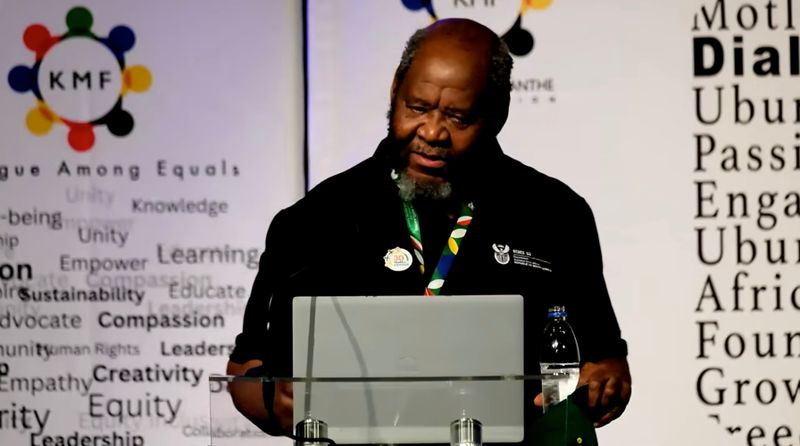
POLITICIANS PUMMELLED: SA’s path to ‘no future’ — former statistician-general Lehohla slams ‘performative’ politics

ANALYSIS: New mayors beware — SA’s local government revolt is waiting for a spark
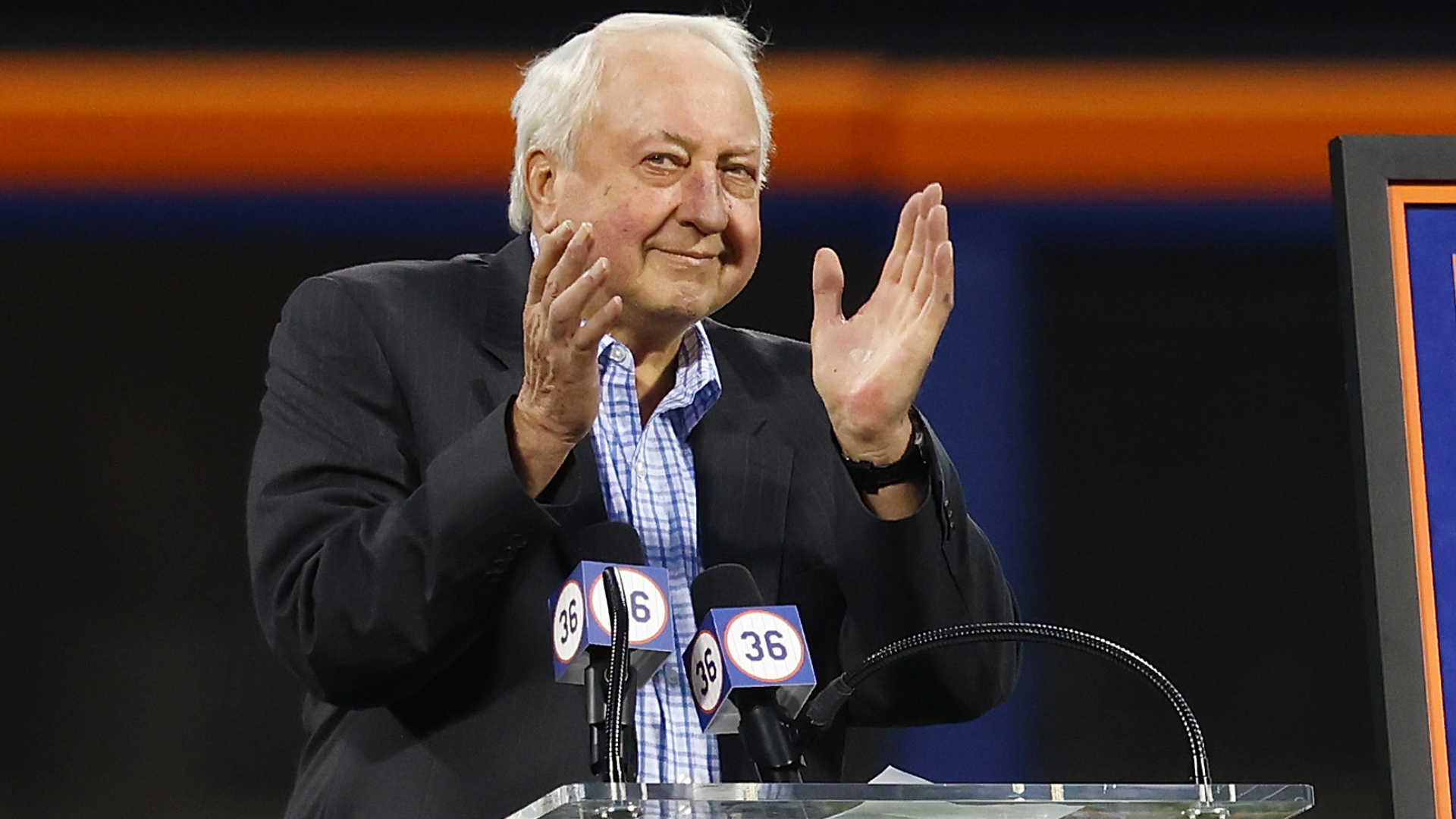
Mets legend Jerry Koosman dies at 83: Pitcher helped New York win 1969 World Series

South-East governors urge Ndigbo to shun deception and vote for Tinubu in 2027
Latest
Troubled port: Transnet and foreign operator face scrutiny over backlog at Durban Gateway Terminal
BUSINESS REFLECTION: Crossed Wires: The internet’s technical debt is due, and we can’t pay
Investment Outlook: Did Datatec catch an AI tailwind or is it a breeze?
Okorocha chasing shadows, Uzodimma says, vows to appeal court judgement
POLITICIANS PUMMELLED: SA’s path to ‘no future’ — former statistician-general Lehohla slams ‘performative’ politics
ANALYSIS: New mayors beware — SA’s local government revolt is waiting for a spark
Mets legend Jerry Koosman dies at 83: Pitcher helped New York win 1969 World Series
South-East governors urge Ndigbo to shun deception and vote for Tinubu in 2027