Mitchells Plain initiative uses spinning to guide youth away from gangs
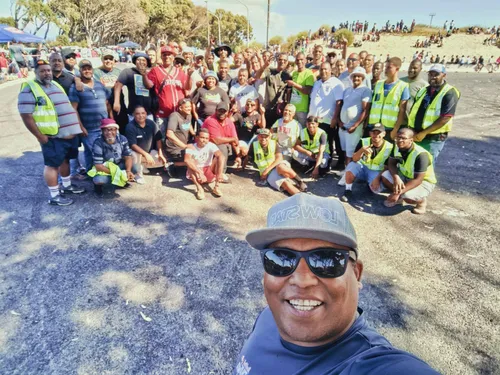
Shahim Bell sees spinning as a way to give young people a place to learn, develop and feel part of a community.
The roar of engines and the spectacle of cars sliding sideways are drawing young people to spinning in Mitchells Plain, but a community initiative wants them to take away more than a love of motorsport.
Supporting People in Need (SPIN) is using the popular motoring culture to teach young people driving skills, discipline and confidence, while creating a space where they can connect with their community and explore opportunities beyond the streets.
For Shahim Bell, who grew up in Mitchells Plain, the initiative is deeply personal. Through SPIN, he and fellow volunteers want to channel young people’s passion for spinning into something that helps them grow, learn and feel part of a community.
“We use spinning as a medium to get people together and then we can assist where the need is,” Bell said.
Bell’s own childhood was shaped by loss. His father was murdered when he was 12, and he went to live with his grandfather, who built engines and worked with his hands. That experience helped deepen his interest in mechanics and motorsport.
Now, he hopes to use that passion to give young people guidance and opportunities that extend beyond the driving arena.
SPIN grew out of gatherings that attracted increasing numbers of residents. Bell said the aim was to harness the appeal of spinning to bring people together and create a positive environment in an area affected by gang violence.
The impact can also be seen in the people who help keep the events running.
A cleaner who has been involved since the early days said he enjoys seeing young people gather to watch the events. He described the initiative as “something good”, giving youngsters somewhere to spend their time rather than “roaming the streets or standing on the corners”.
The gatherings offer residents an opportunity to participate, volunteer and help maintain a positive environment.
Bell said the programme depends on older members of the spinning community and volunteers who help maintain order and support younger participants.
SPIN’s ambitions extend beyond teaching children to control a car. Bell said the programme also emphasises humility, social skills and the behaviour expected of athletes.
“There’s a sense of humility that we need to instil in any sportsman from the word go,” he said.
Children use driving simulators to develop their understanding of vehicle control before practising in cars. Bell said the intention is to make learning enjoyable, allowing participants to develop at their own pace while learning to work with others.
For some youngsters, the dream is already taking shape.
Kayen, a youngster from Beacon Valley, described his ambitions: “I want to be a spinner, but I’m a stuntman.”
SPIN’s intention is to move spinning into a more structured environment, rather than leave young people to learn vehicle control on public roads.
SPIN attracted wider attention when young spinner Connor February appeared at the Gas Motor Show in Durban.
The 11-year-old, from Mitchells Plain, is the son of renowned spinner Sean February, also known as Shorty February.
Connor became a sensation at the event, where his car-control skills drew widespread attention and even outshone some of the expected headline attractions, including Hollywood actor Sung Kang.
For Reece Williamson, producer of The Soul of South African SPIN documentary, the youngster’s exposure demonstrated what could be possible when young people receive support and opportunities.
“When I first saw the interest and efforts of the SPIN organisation in creating opportunities for the youth of Mitchell’s Plain, Cape Town, I immediately recognised the potential of what they were trying to achieve,” Williamson said.
He said the challenges facing young people in the area, including gang influence, crime and a lack of positive opportunities, made the initiative worth supporting.
“It was about showing the youth of Mitchell’s Plain that there are opportunities beyond the streets, gangs and crime. With the right support, encouragement and exposure, these youngsters can achieve great things,” he said.
Williamson believes spinning could help keep young people focused and motivated.
“If we can inspire even one youngster to choose motorsport over gangsterism, then we have already made a difference,” he said.
Spinning has deep roots in Cape Town’s motoring culture, and SPIN also brings older participants and younger enthusiasts together.
SPIN wants to move spinning into a more structured environment rather than leave young people to learn vehicle control on public roads.
Safety arrangements, supervision and child safeguarding procedures remain important considerations for parents and the wider community.
Bell said he hopes the initiative can develop a model that other communities could adapt, helping spinning become a recognised sport with a stronger development structure.
Spinning has deep roots in Cape Town’s motoring culture, and the programme also brings older participants and younger enthusiasts together. Bell believes this connection can help preserve the sport’s history while creating a more structured route for the next generation.
“The spinning part is really not the main objective why we are doing this,” he said.
For Bell, the broader goal is to help young people develop as individuals as well as drivers, learning about responsibility, safety and the commitment required to succeed.
The ambition is to create something that can be replicated elsewhere. Its long-term success will depend on sustaining the development work and ensuring young participants are properly supported and protected.
Keywords
Related Stories
Makinde, running mate to unveil Reset Nigeria Agenda manifesto on 4 November
According to the APM campaign organisation, the manifesto will outline the campaign’s policy priorities and proposed direction ahead of the 2027 general election. The post Makinde, running mate to unveil Reset Nigeria Agenda manifesto on 4 November appeared first on Premium…

CBD COP17: Parties adopt Yerevan Pathway as biodiversity talks end amid criticism
The adoption followed weeks of intensive deliberations among Parties on a broad range of issues, including benefit-sharing, biodiversity financing, harmful subsidies, Indigenous Peoples’ rights and marine conservation. The post CBD COP17: Parties adopt Yerevan Pathway as…

The Ultimate Guide to African Beauty: Skincare and haircare products worth exploring
From the nourishing shea butter used for generations in West Africa to the lightweight botanical oils inspired by African plants, beauty traditions across Africa offer plenty of inspiration for anyone looking to care for their skin and hair. The post The Ultimate Guide to…

EPL Roundup: Awoniyi fires Coventry to victory as Manchester club stumble
Taiwo Awoniyi opened his Premier League account for Coventry City in their 3-1 win over Sunderland, while Ola Aina and Semi Ajayi also featured for their respective clubs The post EPL Roundup: Awoniyi fires Coventry to victory as Manchester club stumble appeared first on Premium…

Top Stories
Makinde, running mate to unveil Reset Nigeria Agenda manifesto on 4 November
CBD COP17: Parties adopt Yerevan Pathway as biodiversity talks end amid criticism

Maresca's big test is to address mounting Man City issues

Jeanie Buss accuses siblings of conspiring against her as dispute over Lakers stake continues
The Ultimate Guide to African Beauty: Skincare and haircare products worth exploring

Cokanasiga scores twice as Bath beat Sale
Anti-corruption and party discipline: takeaways from from this week's key political meeting in Beijing
EPL Roundup: Awoniyi fires Coventry to victory as Manchester club stumble
Latest
Makinde, running mate to unveil Reset Nigeria Agenda manifesto on 4 November
CBD COP17: Parties adopt Yerevan Pathway as biodiversity talks end amid criticism
Maresca's big test is to address mounting Man City issues
Jeanie Buss accuses siblings of conspiring against her as dispute over Lakers stake continues
The Ultimate Guide to African Beauty: Skincare and haircare products worth exploring
Cokanasiga scores twice as Bath beat Sale
Anti-corruption and party discipline: takeaways from from this week's key political meeting in Beijing
EPL Roundup: Awoniyi fires Coventry to victory as Manchester club stumble