Ofcom outlines age check methods ahead of social media ban for under-16s

Ofcom has set out its recommendations for the most effective ways to identify which of the UK's millions of social media users are aged over 16.
Under the UK's social media ban - which is due to come into force in March next year - those under that age will be prevented from accessing ten of the biggest platforms, including Instagram, TikTok and Snapchat.
Many UK adults are also likely to have to confirm that they are not under-age by using one of the proposed measures, which are subject to government approval.
A similar ban was introduced in Australia last year but many children there have found ways to get round it. The UK says it intends to take a tougher approach.
Age verification below 18 is challenging because 16 and 17 year olds don't have credit cards or full driving licences, and may not have passports either. They can also look significantly older or younger than they are.
To address that challenge, Ofcom has - in addition to traditional forms of ID - recommended four methods that it says would be "highly effective" at gauging people's ages:
photo ID matching, where relevant information on a photo ID document such as a passport is checked against a live image taken during an age check
photo ID matching, where relevant information on a photo ID document such as a passport is checked against a live image taken during an age check
banking-based checks, which involves using the information a financial institution has on record regarding a user's age
banking-based checks, which involves using the information a financial institution has on record regarding a user's age
face age estimation technology (which the regulator argues has recently improved)
face age estimation technology (which the regulator argues has recently improved)
digital ID services, which enable people to digitally prove who they are or provide information about themselves, such as their age
digital ID services, which enable people to digitally prove who they are or provide information about themselves, such as their age
The BBC has asked three of the UK's biggest banks whether they would have a process for assisting with social media requests for age verification if it did become an official measure.
However, ultimately it will be up to the tech companies to figure out how to implement the checks: the onus is on social network providers to come up with their own solutions and comply.
Ofcom CEO Dame Melanie Dawes said the regulator was drawing on its experience in introducing tougher age checks for porn sites last year:
"What we've learned in introducing age checks across the porn industry is that actually what a lot of countries did before us was say you need to do it this way and they were very prescriptive and it didn't work," she told the BBC.
"So what we've said all along is here are things that can work, they must preserve privacy, they must protect people's data, but it's on you to put in place what you think works for you."
Some of the tech companies, including Meta, have called for age verification to be applied at device level, so that someone under-age would be automatically blocked from installing social media apps via app stores.
This would place responsibility with Apple and Google, who between them operate most of the world's smartphones. Apple has already introduced age verification in the UK.
However Ofcom says that would not absolve the social network providers from doing their own checks as well.
The regulator said it didn't have a firm number for how many adults would need to prove they were not under age, but conceded that it would be a "large number of accounts" that social media companies would need to "deal with."
It has also acknowledged that "the risk of circumvention cannot be entirely eliminated", and some children would succeed in bypassing the age checks.
Dawes said making the ban work would be a joint effort.
"At Ofcom, what we will do is make sure that the services that the social media companies put in the checks that they need to," she told BBC News.
"That's our job, but the wider question about how everybody engages with this, it is for everybody, really.
"I actually think the real prize here is going to be for today's eight to 10-year-olds entering secondary school without it being the norm to go on Snap in your class group chat, without it being the norm to have all your sports fixtures organised on Instagram."
Ofcom's age verification report will now be considered by the government, with a decision due by the end of the year.
Australia ban lessons
Child safety campaigners including the Molly Rose Foundation and NSPCC welcomed Ofcom's guidance.
But both said there were lessons to be learned from how Australia's social media ban had been implemented, after it was found many under-16s could still access social platforms.
"That's why, as we prepare to embark on our own social media ban in the UK, we need to make sure we accurately know the age of child users," said Rani Govender, head of child safety online at the NSPCC.
She said the government and Ofcom must ensure tech firms are held accountable for meeting age check standards "to help keep children safe online and ensure the ban delivers change in practice".
But Andy Burrows, the Molly Rose Foundation's chief executive, said Ofcom had shown a "dire track record" of enforcing the Online Safety Act - raising questions over how effectively it would help deliver a social media ban.
"Andy Burnham must deliver a ban that learns the lessons from Australia and that incentivises safety-by-design as the price of admission to the UK market, with a ban as the starting point in a proper plan to give children a safe and happy online life," he said.
Jonny Blunt, corporate affairs director of BT's consumer division, said w families should "prepare children for life online after the ban and highlight the risks of trying to dodge the restrictions".
"Having those conversations now and giving young people time to prepare for the changes in March will be crucial in helping them adapt to a significant change for a whole generation," he said.
"The restrictions have the potential to change the way young people interact with the digital world for the better, but only if regulators, tech companies, families, and educators come together to make it a success."
Get in touch
Have you been affected by the issues raised in this story?
How the social media ban could reshape how all of us use the internet
- Published21 June
How the social media ban could reshape how all of us use the internet
What do teens think about the social media ban?
- Published25 July
What do teens think about the social media ban?
Social media ban - bold and blunt, but no silver bullet
- Published15 June
Social media ban - bold and blunt, but no silver bullet
Sign up for our Tech Decoded newsletter to follow the world's top tech stories and trends. Outside the UK? Sign up here.
Related topics
How the social media ban could reshape how all of us use the internet
- Published21 June
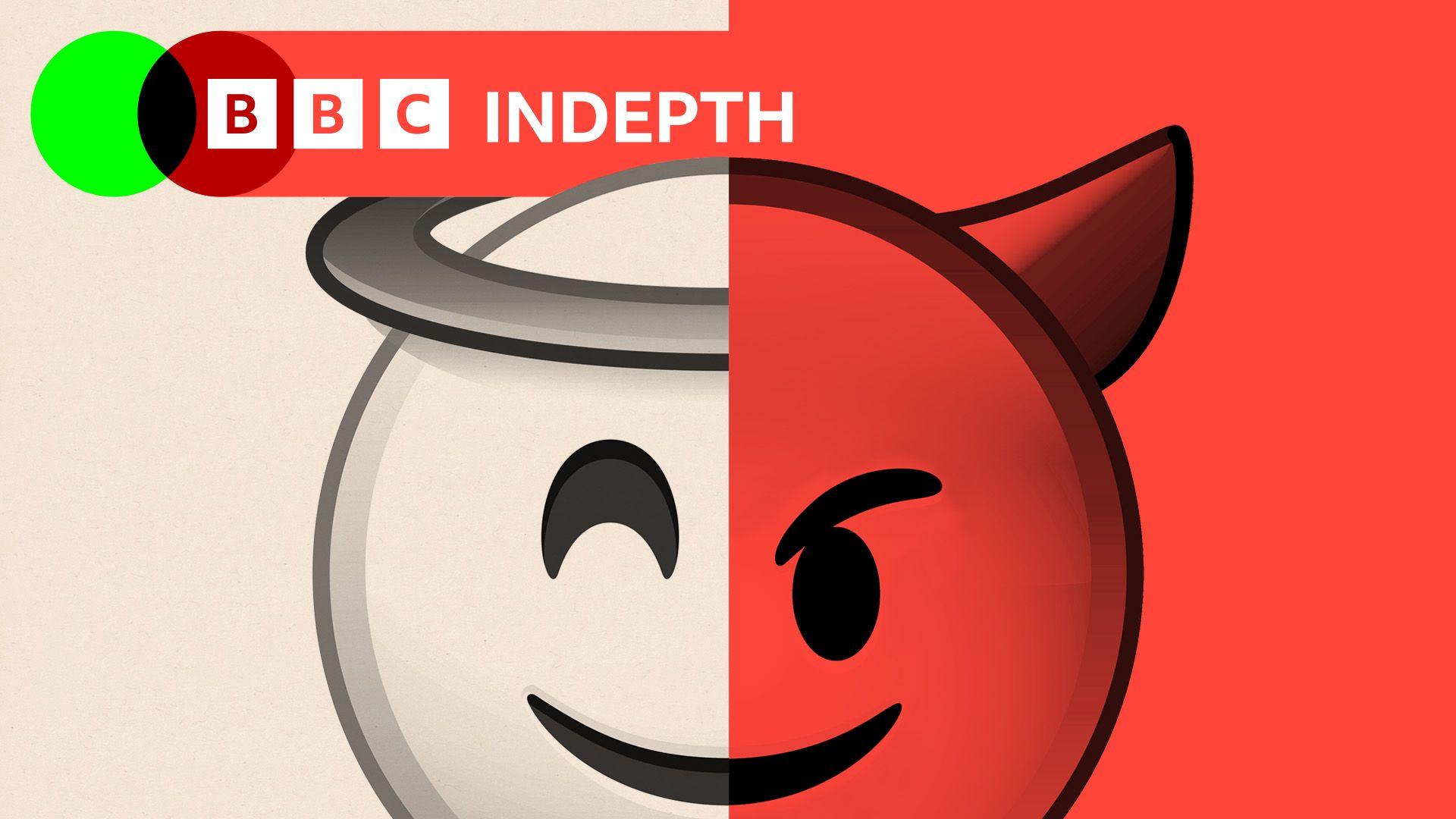
How the social media ban could reshape how all of us use the internet
Apple brings in age checks for UK iPhone users
- Published25 March

Apple brings in age checks for UK iPhone users
What the Online Safety Act is - and how to keep children safe online
- Published24 July 2025

What the Online Safety Act is - and how to keep children safe online
Related Topics
Keywords
Related Stories
UK also affected by cyber-attack which hit European supermarket fridges
Supermarkets in countries including Ireland, Sweden and Belgium reported fridges being hiked in temperature on Monday.

"At Home in Space" opens, caps Air and Space Museum renovation
The Smithsonian's National Air and Space Museum has all of its "space" back open.

Apple is ‘not able to predict’ when it’ll have enough iPhone Duos to go around
Apple CEO John Ternus doesn't have a timeline for when iPhone Duo supply constraints could lift. During an interview with Reuters, Ternus said the company is "working hard to get it to as many customers as quickly as possible, but at this point, we're not able to predict when…

Why large dogs age faster than small ones, and other October research highlights
Plus invisible tattoos, medieval skeleton gets an ID, trapping a single antimatter particle, and more.

Top Stories

ADMINISTRATIVE CHAOS: Athletics SA moves rapidly to implement World Athletics leadership overhaul directive
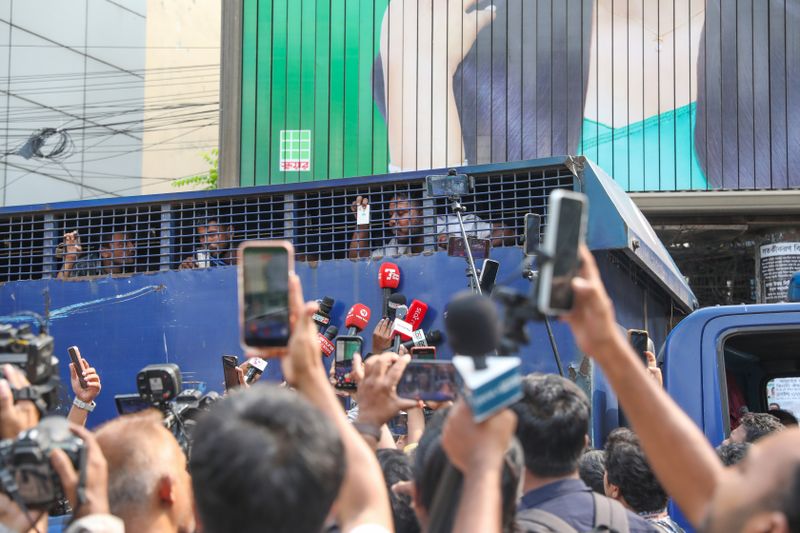
Bangladesh garment workers stage fourth day of wage protests
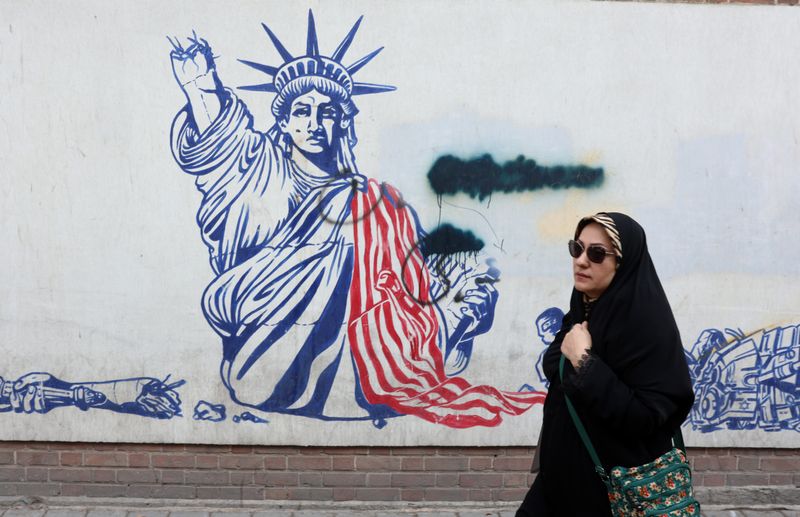
Iran-US deal still out of reach despite heightened diplomatic efforts
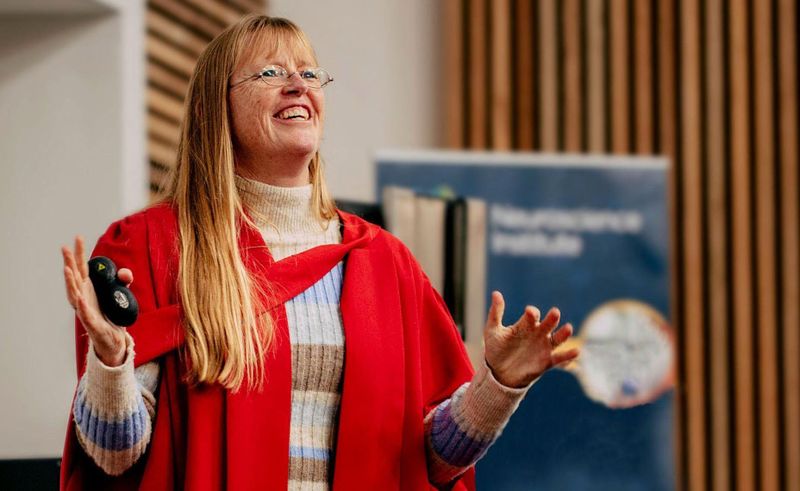
BHEKISISA: Meet the ‘matriarch of pain’ who wants to change how SA treats patients
Service delivery gripes set to dominate 2026 LGE voters’ choices

West Ham sack head coach Nuno Espirito Santo
Mkhwanazi warns police against political bias ahead of KZN local government elections

Jet may have broken apart before Florida crash, officials say, as family named among victims

Latest
ADMINISTRATIVE CHAOS: Athletics SA moves rapidly to implement World Athletics leadership overhaul directive
Bangladesh garment workers stage fourth day of wage protests
Iran-US deal still out of reach despite heightened diplomatic efforts
BHEKISISA: Meet the ‘matriarch of pain’ who wants to change how SA treats patients
Service delivery gripes set to dominate 2026 LGE voters’ choices
West Ham sack head coach Nuno Espirito Santo
Mkhwanazi warns police against political bias ahead of KZN local government elections
Jet may have broken apart before Florida crash, officials say, as family named among victims