OPINION: Conspicuous consumerism and Nigeria’s moral crisis

Nigeria has more existential problems besides poverty. Another major problem is the national habit of clapping for wealth without asking where it came from. In far too many places, public respect is no longer earned by service, sacrifice or productivity. It is bought with convoys, designer clothes, noisy parties, foreign trips and bundles of cash thrown into the air before hungry people, and that is the tragedy of conspicuous consumerism.
This culture rewards spending mainly to be seen, admired and feared. Economist Thorstein Veblen described it as the public display of wealth for status. Nigerian society, however, has made this concept more than a social habit, while it continues eating into politics, governance, family life and even religion. The danger is simple.
The moment a society celebrates luxury without questioning its source, it quietly trains its children to despise patience and honesty. A young person who watches as thieves are praised, are seated in front rows, and are decorated with chieftaincy titles may begin to wonder why integrity should matter. The message becomes poisonous when people are taught that they can steal enough, spend loudly, and force society to adjust. Research supports these concerns.
Scholars have long warned that status competition worsens in unequal societies. Where hardship is everywhere and wealth is loudly displayed, resentment grows. Trust collapses when people begin to measure human worth by cars, houses, clothes and connections instead of character or contribution. This sickness also damages governance.
Public office has for long become a shortcut to personal grandeur rather than a platform for service. That failure is now alarmingly visible when appointed or elected officials and their aides flaunt unexplained wealth while the majority of Nigerians struggle with food, transport, rent and healthcare. The EFCC and ICPC may be working, but isolated arrests are not enough for a system where corruption often travels from the top down.
The proverbial Freedom of Information requests, which should help citizens scrutinise public institutions, are too often treated as decorative tools, with many requests ignored or left unanswered. This should shock our conscience and show us that our country really needs more than economic reform but moral correction.
Unexplained wealth should no longer command automatic respect. Fathers, mothers, uncles, aunties, and community leaders must teach our children that honest labour is not failure. Our schools must please restore the dignity of discipline, patience, and service. Our religious leaders, traditional institutions, the media, and anti-corruption agencies must also help rebuild this public morality.
For far too long, Nigeria has mistaken noise for success and will keep producing leaders who perform wealth instead of building society. Our beloved country must make productivity more respectable than display. It must make service more admirable than swagger. It must make integrity more powerful than stolen luxury.
By: Abidemi Adebamiwa
Related Topics: Up NextOPINION… The Lost Wealth in Nigeria’s Import Addiction: Why Nigeria must finally love what it makes
Don't MissOPINION: Narco-presidencies and how they end

You may like


Related Topics
Keywords
Related Stories
CSOs urge judiciary to avoid another Imo-style embarrassment in Uzodimma’s Senate case
Coalition of civil society organisations (CSOs) advises the judiciary to use the ongoing court case involving Governor Hope Uzodimma and former governor, Rochas Okorocha to restore public confidence in the courts. The post CSOs urge judiciary to avoid another Imo-style…

Freedom advocates urge Nigeria to grant Africans visa-free entry
They advocated reciprocal arrangements among African countries, citing Kenya and Rwanda as examples of countries that had taken steps to ease entry for other Africans. The post Freedom advocates urge Nigeria to grant Africans visa-free entry appeared first on Premium Times…

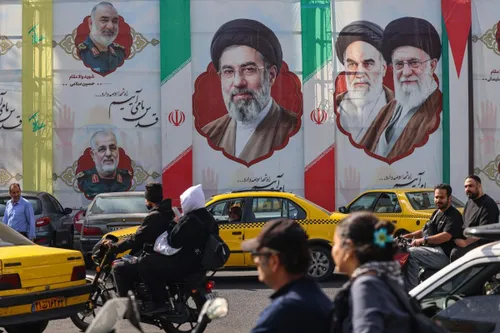
Iran warns next war with US could be longer as Trump threatens further strikes
Iran warns a renewed war with the US could last longer as Donald Trump threatens further strikes, while diplomatic efforts to prevent another escalation remain uncertain.
Two women killed in N1 crash near Kranskop as highway closed
Two women have died and five people have been injured in a head-on collision involving four vehicles on the N1 near Kranskop, forcing the closure of the northbound carriageway.

Top Stories
CSOs urge judiciary to avoid another Imo-style embarrassment in Uzodimma’s Senate case

Spence 'very proud' to break WSL appearance record

Referee accidentally fractures college football player's leg
Freedom advocates urge Nigeria to grant Africans visa-free entry
Iran warns next war with US could be longer as Trump threatens further strikes
Two women killed in N1 crash near Kranskop as highway closed

AFFORDABLE HOUSING OP-ED: CT’s Tafelberg social housing units cut by Heritage assessment

Five teenagers stabbed at Halloween party
Latest
CSOs urge judiciary to avoid another Imo-style embarrassment in Uzodimma’s Senate case
Spence 'very proud' to break WSL appearance record
Referee accidentally fractures college football player's leg
Freedom advocates urge Nigeria to grant Africans visa-free entry
Iran warns next war with US could be longer as Trump threatens further strikes
Two women killed in N1 crash near Kranskop as highway closed
AFFORDABLE HOUSING OP-ED: CT’s Tafelberg social housing units cut by Heritage assessment
Five teenagers stabbed at Halloween party