Over 800 gastrointestinal illness cases reported as water investigations continue
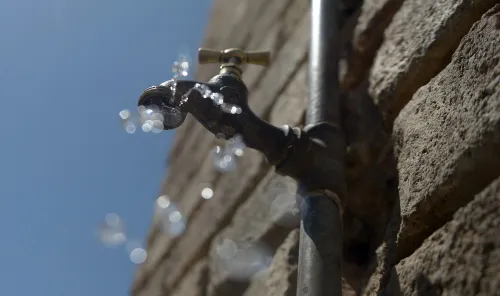
More than 800 gastrointestinal illness cases have been registered in Tshwane following the supply of unchlorinated water in Bronkhorstspruit, while Johannesburg residents in an affected area remain under restrictions and investigations into illness cases in the Eastern Cape continue.
Water and Sanitation Minister Pemmy Majodina yesterday confirmed that the number of cases linked to the Bronkhorstspruit water crisis had risen to 833, up from 408 reported last week. Three patients remained in hospital, with no deaths reported.
“As you know, we have shut down the water treatment works. However, when a plant is shut down, some water may already have been processed and distributed. We believe this may have contributed to the number of cases.”
“When we last briefed you, the number stood at 408. As of today, the number has risen to 833. Another factor is that, even after the plant was shut down and water tankers were deployed, some residents continued using water they had stored in containers,” Majodina said.
“There’s no outbreak, no death,” Majodina said, adding that no patient was in a critical condition.
Deputy President Paul Mashatile also visited Bronkhorstspruit to assess the response to the crisis, including interventions to protect residents and restore safe water supplies.
As chairperson of the Inter-Ministerial Committee on Water and Sanitation, Mashatile received updates on the reported illnesses, visited the local water treatment works and engaged with authorities about measures to protect public health.
The response includes water quality testing, increased water deliveries by tanker and additional healthcare support for affected residents.
“Access to safe water is a basic necessity, and government has a responsibility to ensure that communities are protected from preventable health risks,” Mashatile said.
He called for urgent, coordinated action across all spheres of government to contain the illness cases, address infrastructure challenges and restore reliable access to safe water.
Majodina also highlighted the financial pressure facing the country’s water sector, saying South Africa needed at least R400 billion to repair its entire water system, money the country did not have.
“That is why we have called on the private sector to partner with municipalities. Many municipalities lack the necessary technology. We also want to ensure that municipalities, particularly in Gauteng, allocate a portion of their resources to maintaining infrastructure. Infrastructure that is not maintained will eventually fail and cause problems,” Majodina said.
Meanwhile, Johannesburg Water has confirmed that water samples collected last week from an affected area in Bezuidenhout Valley met the required water quality standards, but residents have been told not to use the water until further testing is completed and an official clearance notice is issued.
The affected properties are along 8th Avenue, at the corners of 4th, 5th, 6th and 7th Streets.
Johannesburg Water said a second set of samples was collected on the night of October 25 as an additional precaution before water supply could be cleared for consumption and use. A water supply interruption delayed the collection of the follow-up samples.
“Customers must continue to refrain from using the water until Johannesburg Water issues an official clearance notice,” the utility said.
It said water tankers would continue supplying affected customers while the restriction remained in place. Customers would be notified once the follow-up results had been assessed and water quality clearance issued.
In the Eastern Cape, authorities have reported 111 gastrointestinal illness cases at Rhodes University student residences in Makhanda and 23 at St Albans Correctional Facility in Gqeberha.
A joint government update issued on Monday said patients had experienced symptoms including severe abdominal cramps, diarrhoea, vomiting and dehydration and had received treatment at healthcare facilities.
However, tests have ruled out the university’s water supply and food as the cause of the illnesses at Rhodes.
“The multi-stakeholder technical team can report that results from water quality samples taken at Rhodes University water supply system have ruled out water contamination as the cause of the gastrointestinal cases at the institution,” the statement said.
Further food tests conducted by the university also returned negative results for organisms that could have caused diarrhoeal infections. No new cases had been reported at the university, and health authorities continued to monitor healthcare facilities. Rhodes University was providing bottled water and encouraging students and staff to boil water as a precaution.
At St Albans, water samples collected from various points within the prison were still undergoing laboratory analysis, with results expected on Wednesday, October 28. Technical teams were also due to inspect municipal and university infrastructure, including compliance with water management requirements.
Related Topics
Keywords
Related Stories
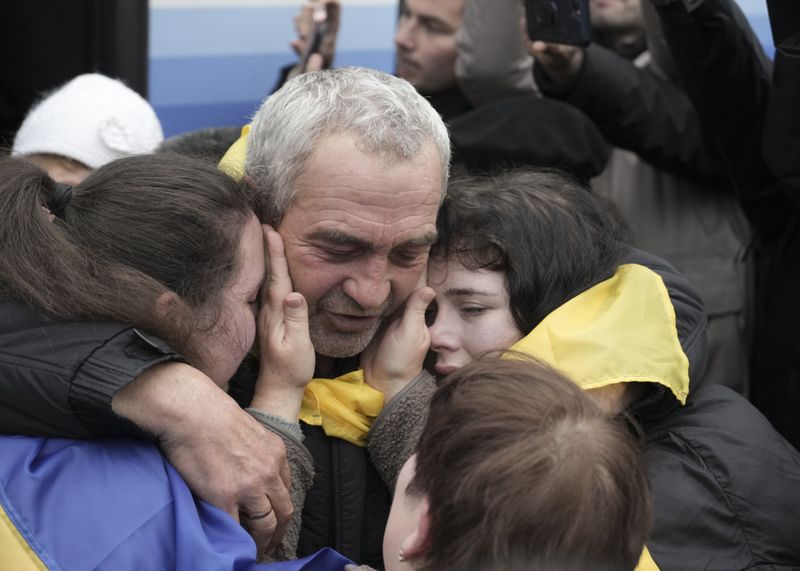
Ukraine evacuates civilians from parts of Kherson region as expiry of Oleshky ceasefire nears
Nov 1 (Reuters) - Ukraine's military said it evacuated 167 people from threatened areas of southern Kherson region on Sunday as a temporary local ceasefire neared expiry -- two days after busloads of residents were brought out of the embattled Russian-held town of Oleshky.
ARTIFICIAL INTELLIGENCE OP-ED: Forget future existential threats — AI is automating gendered violence and misogyny right now
The current alarm about the future dangers of agentic AI might distract us from the very real AI harms already happening. As we speculate about whether machines might one day become dangerous to humankind, AI is deepening misogyny, eroding safety and automating gendered abuse.

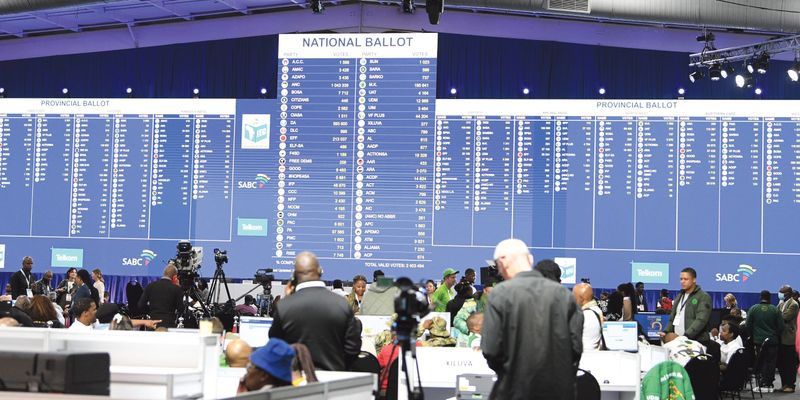
LOCAL ELECTIONS 2026: What happens after the vote? Councils, coalitions and (maybe) controversies
When voting in the 4 November local government election is completed, if the pollsters have been proven correct, coalitions will dominate across South Africa’s 257 councils, including most of the eight metros. Here’s what happens once the voting ends and the stations close.
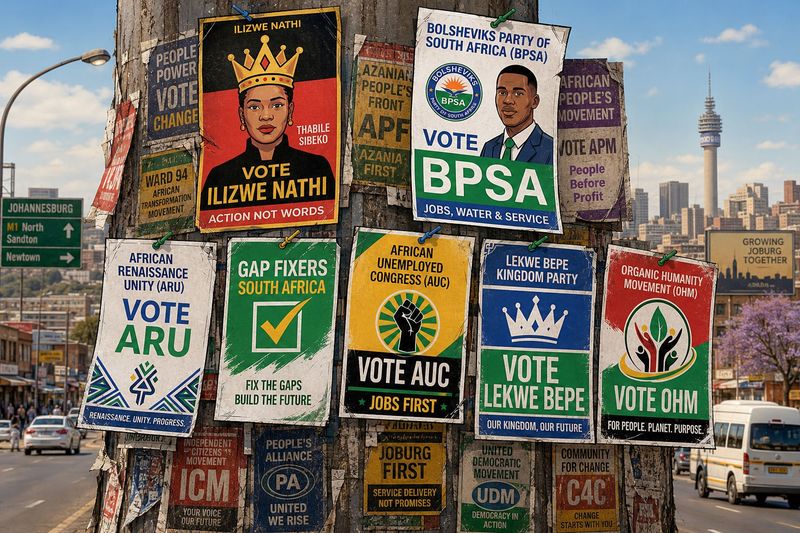
OUR CITY NEWS: Eighty-three parties contest crowded Joburg local government elections
Johannesburg is the most contested municipality in SA’s local elections. Here are some of the 83 political parties in the running that you probably haven’t heard of.
Top Stories
Ukraine evacuates civilians from parts of Kherson region as expiry of Oleshky ceasefire nears
ARTIFICIAL INTELLIGENCE OP-ED: Forget future existential threats — AI is automating gendered violence and misogyny right now
LOCAL ELECTIONS 2026: What happens after the vote? Councils, coalitions and (maybe) controversies
OUR CITY NEWS: Eighty-three parties contest crowded Joburg local government elections
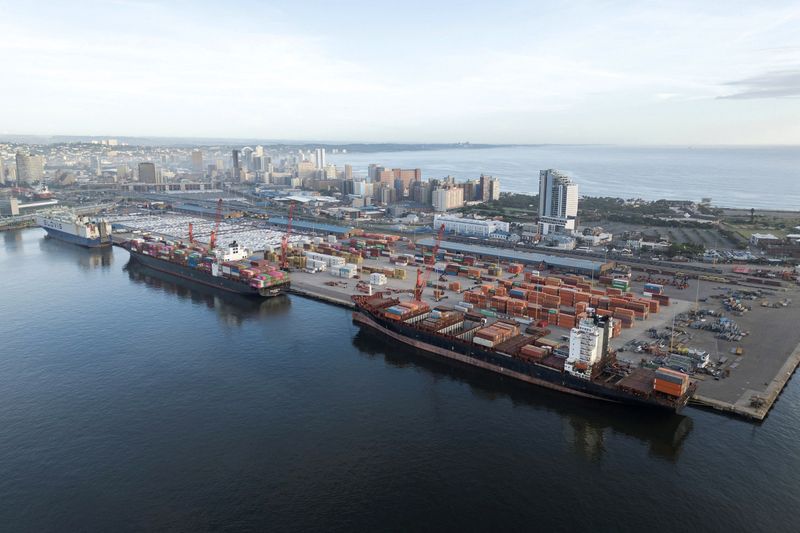
Troubled port: Transnet and foreign operator face scrutiny over backlog at Durban Gateway Terminal

BUSINESS REFLECTION: Crossed Wires: The internet’s technical debt is due, and we can’t pay
Investment Outlook: Did Datatec catch an AI tailwind or is it a breeze?

Okorocha chasing shadows, Uzodimma says, vows to appeal court judgement
Latest
Ukraine evacuates civilians from parts of Kherson region as expiry of Oleshky ceasefire nears
ARTIFICIAL INTELLIGENCE OP-ED: Forget future existential threats — AI is automating gendered violence and misogyny right now
LOCAL ELECTIONS 2026: What happens after the vote? Councils, coalitions and (maybe) controversies
OUR CITY NEWS: Eighty-three parties contest crowded Joburg local government elections
Troubled port: Transnet and foreign operator face scrutiny over backlog at Durban Gateway Terminal
BUSINESS REFLECTION: Crossed Wires: The internet’s technical debt is due, and we can’t pay
Investment Outlook: Did Datatec catch an AI tailwind or is it a breeze?
Okorocha chasing shadows, Uzodimma says, vows to appeal court judgement