Nairobi Sees Police Crackdown on Protest Anniversary
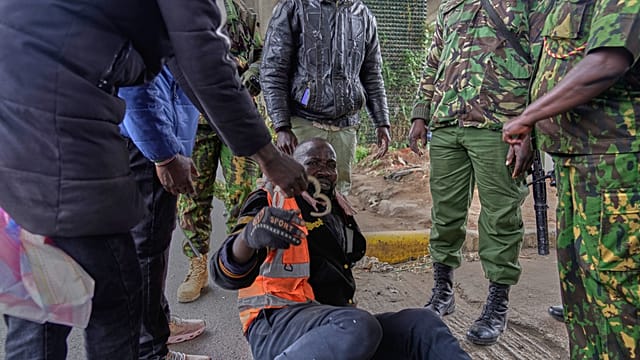
Kenyan police took drastic measures to prevent protests in Nairobi, marking two years since a significant Gen Z uprising. The authorities blocked key traffic routes around the city, aiming to discourage gatherings.
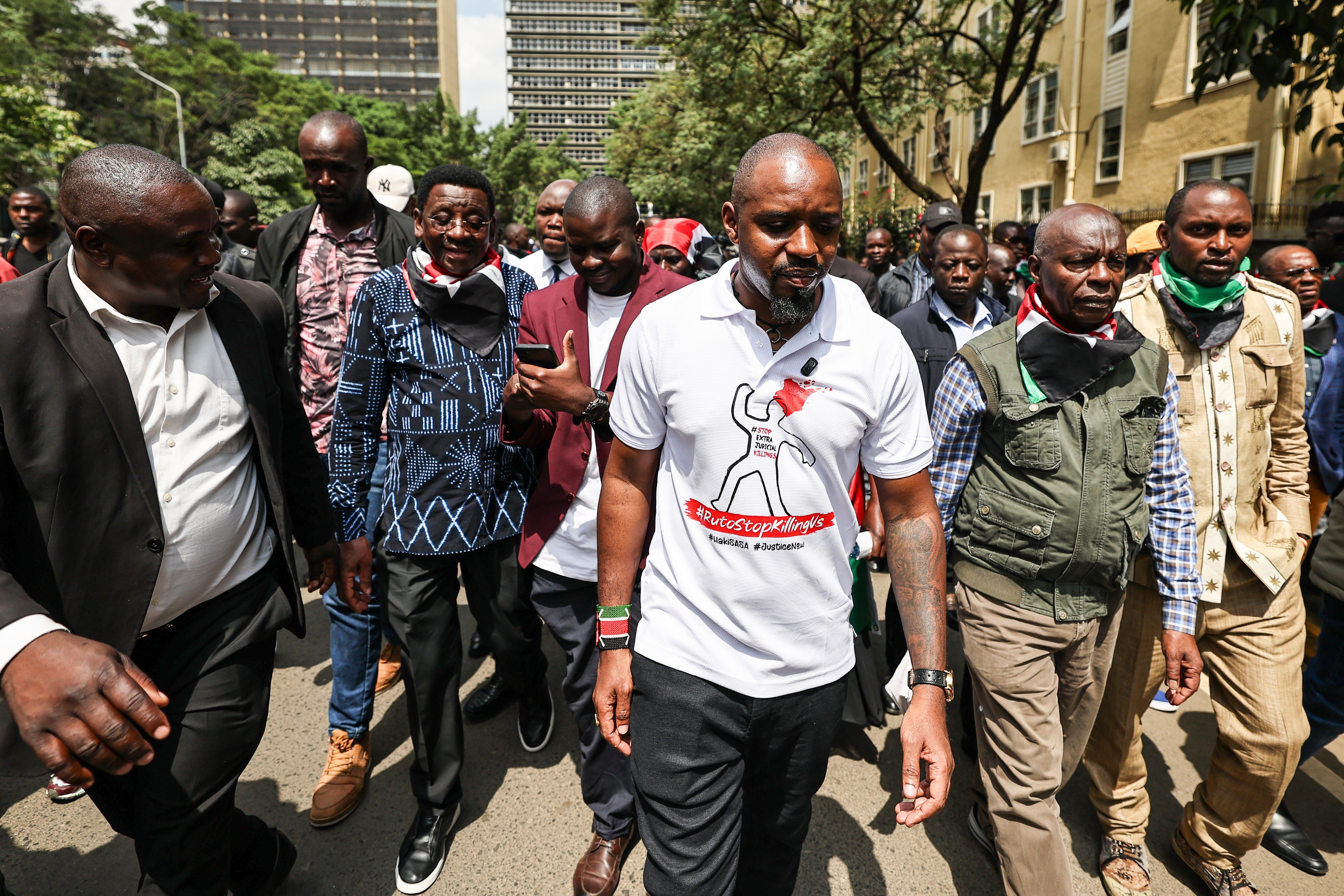
As protesters defied the restrictions and took to the streets, the situation escalated. Shots were fired, and police responded with tear gas, prompting protesters to flee for safety. The swift and forceful response from law enforcement was evident in their efforts to maintain control.
The police presence was described as a "massive show of force," indicating a substantial deployment of resources to handle potential unrest. This approach reflects the government's determination to prevent large-scale protests from occurring.
The landmark Gen Z uprising, which took place two years ago, served as the catalyst for Thursday's planned protests. Despite the police crackdown, many individuals still chose to participate, demonstrating their resolve to mark the anniversary.
The security operation undertaken by the Kenyan police was extensive, with the primary goal of preventing protests and maintaining order in the city. While the police successfully dispersed the crowds, the event highlights ongoing tensions and the willingness of some citizens to challenge authority.
The government's strategy to prevent protests through a significant police presence has been effective in the short term, but the underlying issues that sparked the original uprising remain unaddressed. As the situation in Nairobi continues to unfold, it is essential to monitor the developments and assess the long-term implications of the police crackdown.
The use of tear gas and the firing of shots have raised concerns about the methods employed by the police to manage the protests. The authorities must balance their duty to maintain order with the need to respect the rights of citizens to assemble and express themselves peacefully.