Rand Water to restrict water supply to Johannesburg and Tshwane
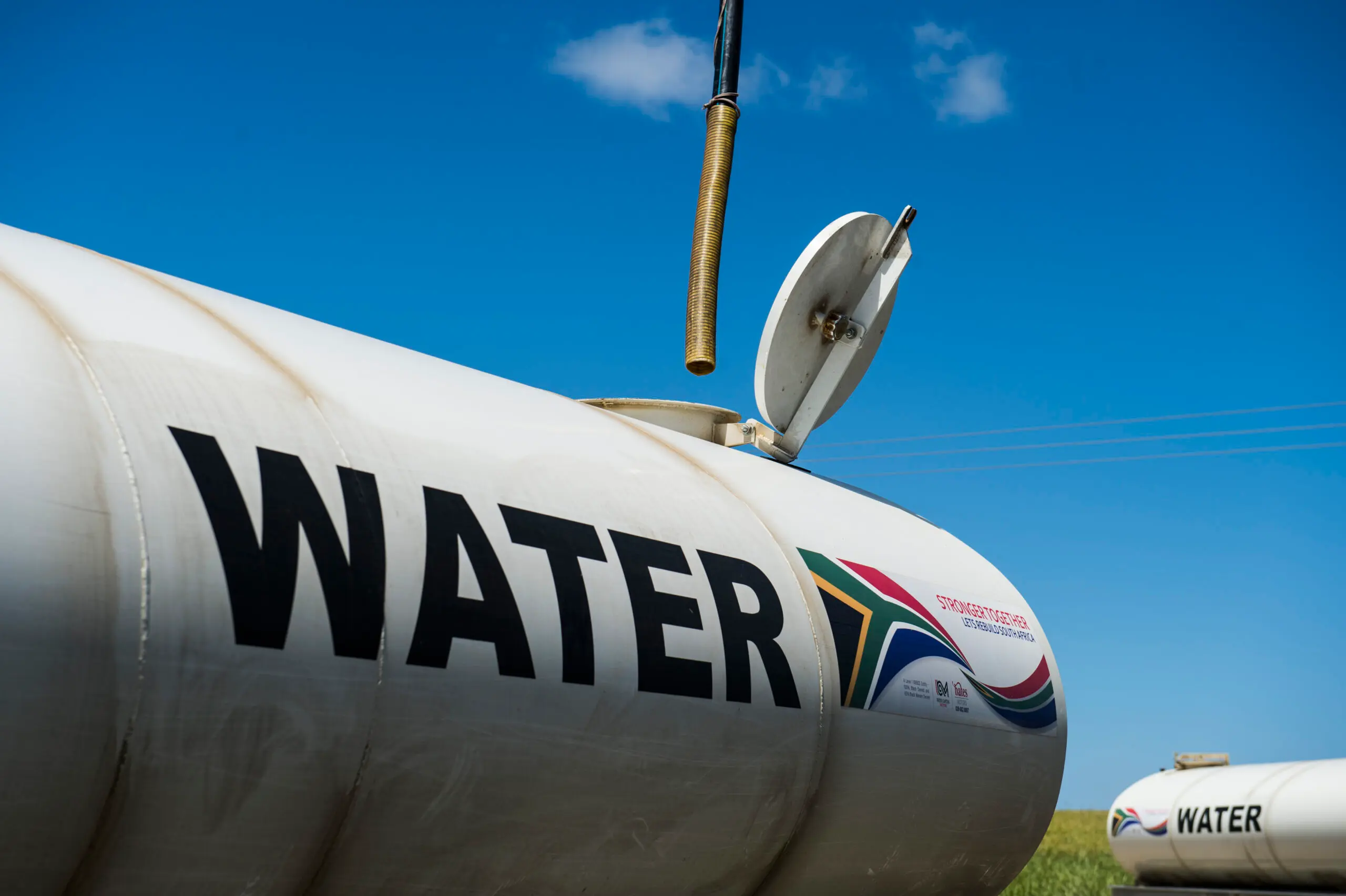
Rand Water will begin restricting water supplies to the City of Johannesburg and the City of Tshwane because they continue to exceed their bulk water allocations, warning that residents in affected areas could face low water pressure or intermittent supply.
The bulk water supplier said on Friday that the system remained severely constrained despite repeated calls for municipalities to reduce consumption. “Despite these appeals, the system remains severely constrained,” it said in a statement.
Rand Water spokesperson Makenosi Maroo said the immediate focus was on Johannesburg and Tshwane, which continue to exceed their daily consumption targets. Ekurhuleni, the third major metro supplied by Rand Water, was complying with its allocation.
Johannesburg consumed an average of 1 724 million litres a day in September, against its licensed target of 1 528 million litres. Its consumption in January was even higher, at 1 765 million litres a day.
Tshwane also exceeded its target, consuming 893 million litres a day in September against an allocation of 752 million litres.
“We haven’t reached the peak of summer,” Maroo said. “So, the concern is what happens if we reach the peak with the figures that we have at the moment.”
Other municipalities that continue to overconsume include Emfuleni, Mogale City, Rustenburg, Midvaal and Madibeng.
Maroo said Rand Water would first engage the municipalities, sending letters warning them about their consumption and identifying the meters where usage was exceeding permitted volumes.
“We are going to have a discussion with them to say: ‘Here you are overconsuming on this meter; this is how much,’” she said. “We’re going to have an agreement with them.”
She said municipalities needed to address leaks and illegal connections to help bring consumption down. “We’ve been telling municipalities there are leaks in the system, there are illegal connections. If they can just start there, with the low-hanging fruit, then we’ll be able to manage consumption.”
Illegal connections were difficult to quantify because the water consumed through them was classified as non-revenue water, Maroo added.
Tshwane had been looking for and disconnecting illegal connections and its own reconciliations indicated that the effort was making a difference, she said, noting, however, that Rand Water had yet to see a corresponding change in its consumption figures.
“At the moment, they are overconsuming,” Maroo said of Johannesburg and Tshwane.
She said it was unfair that municipalities staying within their allocations could be affected by others exceeding theirs.
“What is so unfair is when you look at the other municipalities, Ekurhuleni and other smaller municipalities that are complying, they are going to be suffering because of the two metros and other municipalities,” she said. “We need to be reasonable and obviously give them that equitable share because they are complying.”
Rand Water said it would restrict supply to municipalities that continued to exceed their permitted consumption volumes, rather than apply reductions across the board.
Maroo said the intention was to keep municipalities within the amounts they were supposed to receive. “We are going to say: ‘This is your limit; we are going to confine you to that limit,’” she said. “It’s not even a restriction; we’re just saying this is what you’re supposed to be getting anyway.”
The consequences of the restrictions, Rand Water said, might result in low water pressure or intermittent water supply in affected municipalities.
Rand Water cannot decide how individual neighbourhoods are prioritised once water reaches a municipality. That responsibility rests with the metros, which manage their own distribution networks.
“If we say we are throttling by 10% or 20% — I’m using an example — it goes to the City of Johannesburg. They decide now that we are minus 20%; where do we channel water?
“We can’t decide as Rand Water that you give it to Sandton, you give it to Midrand. They can decide for themselves, based on the consumption of the meters.”
Rand Water thanked nine municipal customers for reducing consumption and remaining within their permitted limits: the City of Ekurhuleni, Metsimaholo, Govan Mbeki, Merafong, Lesedi, Ngwathe, Victor Khanye and Thembisile Hani local municipalities and the Royal Bafokeng Administration.
“Excessive water consumption places an unfair burden on municipalities that remain within their permitted limits,” Rand Water said in its statement.
The supplier urged municipalities, residents and businesses to use water responsibly, saying conservation was a shared responsibility.
Related Topics
Keywords
Related Stories
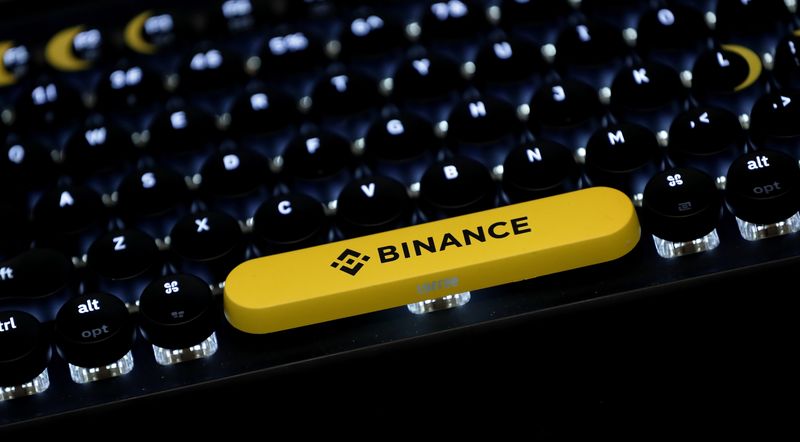
Binance sees spike in withdrawals as exchange returns online after $6.3 billion heist
Nov 1 (Reuters) - Binance customers pulled $3.64 billion, or 2.1% of its assets, as the world's biggest cryptocurrency exchange went back online on Sunday after hackers the FBI links to North Korea stole billions from the platform last week.
LOCAL ELECTIONS 2026: The top four parties’ final campaign pitches
The ANC, DA, MK party and EFF all held their final campaign rallies this weekend. Here are their final pitches to voters.

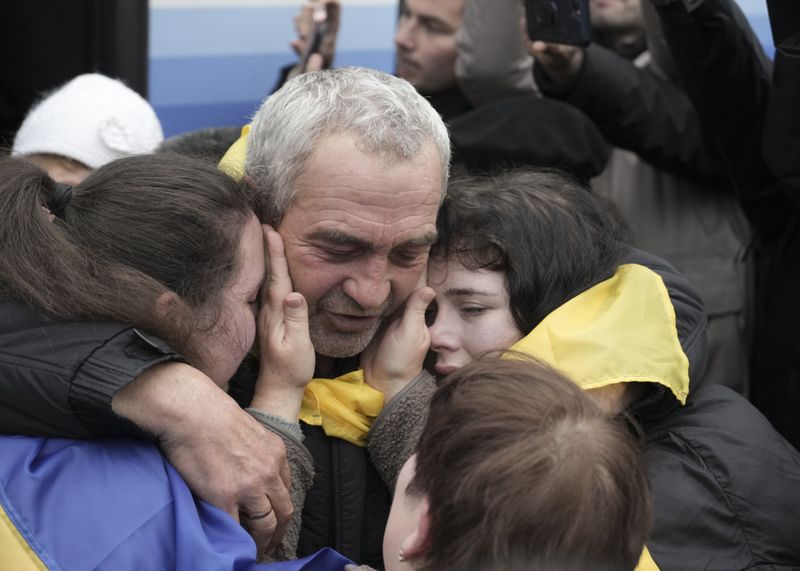
Ukraine evacuates civilians from parts of Kherson region as expiry of Oleshky ceasefire nears
Nov 1 (Reuters) - Ukraine's military said it evacuated 167 people from threatened areas of southern Kherson region on Sunday as a temporary local ceasefire neared expiry -- two days after busloads of residents were brought out of the embattled Russian-held town of Oleshky.
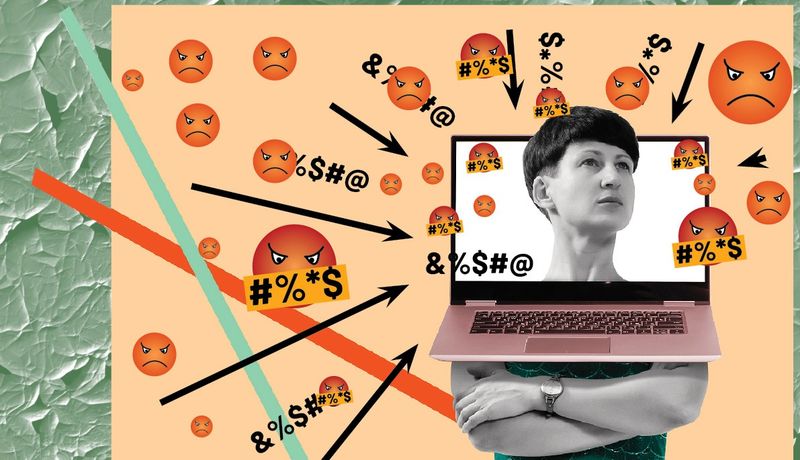
ARTIFICIAL INTELLIGENCE OP-ED: Forget future existential threats — AI is automating gendered violence and misogyny right now
The current alarm about the future dangers of agentic AI might distract us from the very real AI harms already happening. As we speculate about whether machines might one day become dangerous to humankind, AI is deepening misogyny, eroding safety and automating gendered abuse.
Top Stories
Binance sees spike in withdrawals as exchange returns online after $6.3 billion heist
LOCAL ELECTIONS 2026: The top four parties’ final campaign pitches
Ukraine evacuates civilians from parts of Kherson region as expiry of Oleshky ceasefire nears
ARTIFICIAL INTELLIGENCE OP-ED: Forget future existential threats — AI is automating gendered violence and misogyny right now
LOCAL ELECTIONS 2026: What happens after the vote? Councils, coalitions and (maybe) controversies
OUR CITY NEWS: Eighty-three parties contest crowded Joburg local government elections
Troubled port: Transnet and foreign operator face scrutiny over backlog at Durban Gateway Terminal

BUSINESS REFLECTION: Crossed Wires: The internet’s technical debt is due, and we can’t pay
Latest
Binance sees spike in withdrawals as exchange returns online after $6.3 billion heist
LOCAL ELECTIONS 2026: The top four parties’ final campaign pitches
Ukraine evacuates civilians from parts of Kherson region as expiry of Oleshky ceasefire nears
ARTIFICIAL INTELLIGENCE OP-ED: Forget future existential threats — AI is automating gendered violence and misogyny right now
LOCAL ELECTIONS 2026: What happens after the vote? Councils, coalitions and (maybe) controversies
OUR CITY NEWS: Eighty-three parties contest crowded Joburg local government elections
Troubled port: Transnet and foreign operator face scrutiny over backlog at Durban Gateway Terminal
BUSINESS REFLECTION: Crossed Wires: The internet’s technical debt is due, and we can’t pay