Shrinking Civic Space: Why protecting the right to organise matters
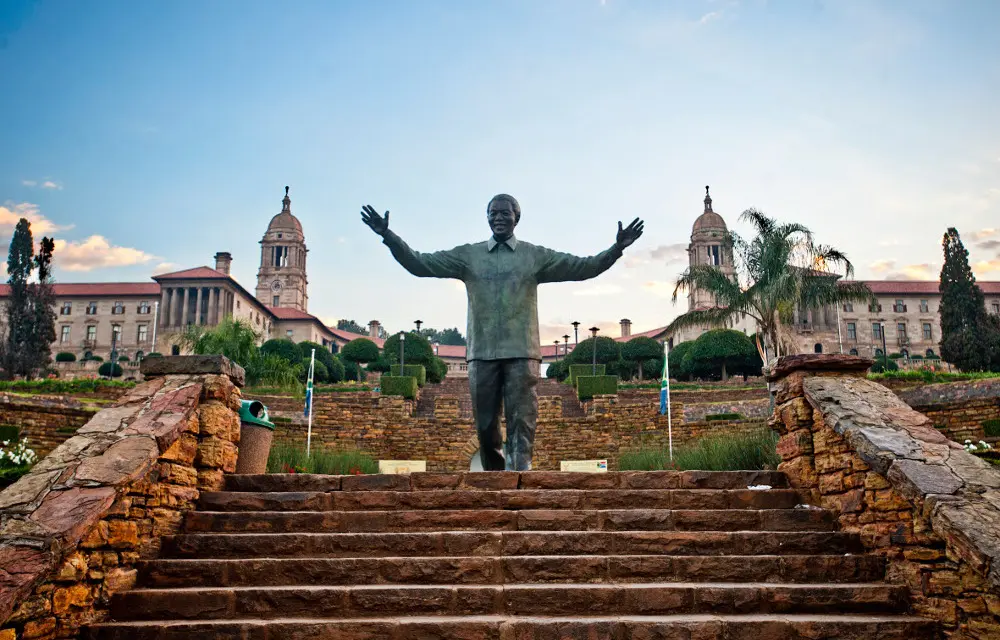
As the Centre for Environmental Rights hosts its annual Rights and Remedies School, bringing together activists from across South Africa, it is impossible to ignore the increasingly hostile environment into which they will return.
Across South Africa, individuals and community movements that organise, advocate and demand accountability are increasingly confronted by efforts to delegitimise their work. Through polarising political rhetoric, misinformation and attempts to cast civic action as a threat rather than a democratic necessity, activists are often portrayed as obstacles to development rather than defenders of constitutional rights. This narrowing of public discourse poses a profound challenge not only to environmental and social justice movements, but to democracy itself. For when those who speak out in defense of their communities are silenced, undermined or demonised, it is not only their rights that are under threat, but the very principles of participation, transparency and accountability on which our constitutional order depends.
The state of shrinking civic space and the impact this has on communities’ ability to build movements, organise and mobilise for sociopolitical and economic change, protecting democratic values, should be embedded within how movements envision their evolution. In the face of this reality, civil society needs to chart an alternative by employing a much more solid collective organising based on meaningful solidarity and push back against the weaponisation of the state for ulterior motives.
We are witnessing this within both the rise of authoritarian elements within our “democratic” government; where powerful actors, often driven by corporate and capitalistic intentions of governments aiming to maximise profit at the expense of citizens’ rights, take centre stage in defining what ought to be viewed as a narrative seeking to establish a situation de facto that perpetuates societal discord against civil society. A clear collusion between the state and private corporations’ interests at times manifest in a much more sophisticated use of lawfare.
In South Africa, the manifestations of these are led by the political and ruling elite punting narratives that project civil society as “antidevelopment”, “regime change agents”. In worst cases, as witnessed in some countries, the manifestation of this modus operandi takes the form of legal and administrative strategies. With governments actively and administratively imposing restrictions on the ability for communities, the broader citizenry and civil society’s ability to organise, protest and dissent. These can be viewed as an existential threat to human rights and the communities’ ability to actively participate in decision making processes that have a direct impact on their lives.
We see the key drivers and tactics that are often used include targeting foundation of public participation through:
We can't afford to submit our will to private and political interests to supersede the ability for communities to protect and enforce their rights. The only way, even in the face of repression, is for communities to continue to organise, mobilise and agitate for social change!
Thami Nkosi is an activist with the Support & Training Programme and coordinator for the Centre for Environmental Rights.
Related Topics
Keywords
Related Stories
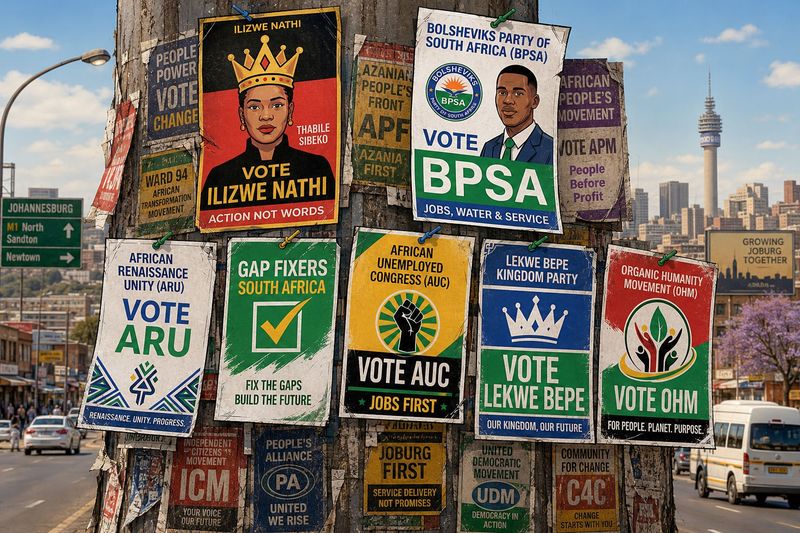
OUR CITY NEWS: Eighty-three parties contest crowded Joburg local government elections
Johannesburg is the most contested municipality in SA’s local elections. Here are some of the 83 political parties in the running that you probably haven’t heard of.
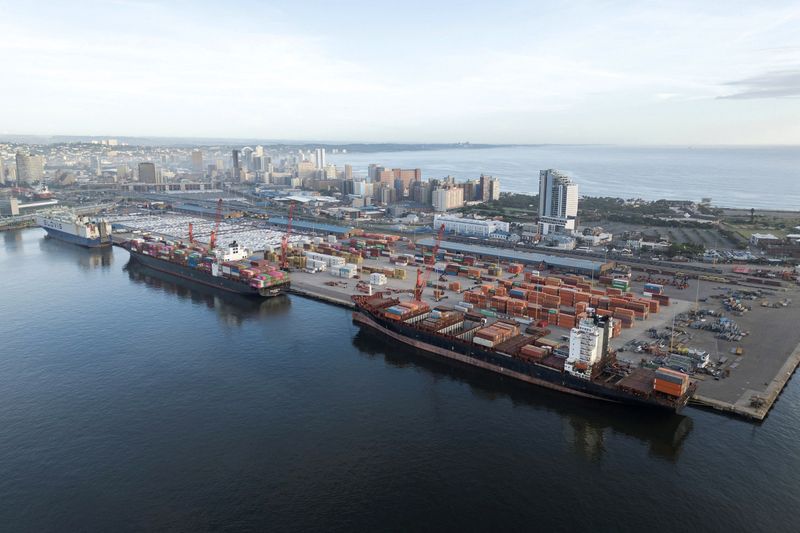
Troubled port: Transnet and foreign operator face scrutiny over backlog at Durban Gateway Terminal
The freight sector and the President are concerned about the serious slowdown of cargo at Durban harbour, but the status of Durban Gateway Terminal as a public-private partnership muddies the waters of accountability.
BUSINESS REFLECTION: Crossed Wires: The internet’s technical debt is due, and we can’t pay
From hospital equipment to bank mainframes, outdated technology is leaving critical infrastructure exposed as AI lowers the barriers to cybercrime.

Investment Outlook: Did Datatec catch an AI tailwind or is it a breeze?
Despite an 18% increase in gross invoiced income, Datatec delivered only 1.4% Heps growth, raising questions about margins, costs and the durability of AI-driven demand.

Top Stories
OUR CITY NEWS: Eighty-three parties contest crowded Joburg local government elections
Troubled port: Transnet and foreign operator face scrutiny over backlog at Durban Gateway Terminal
BUSINESS REFLECTION: Crossed Wires: The internet’s technical debt is due, and we can’t pay
Investment Outlook: Did Datatec catch an AI tailwind or is it a breeze?

Okorocha chasing shadows, Uzodimma says, vows to appeal court judgement
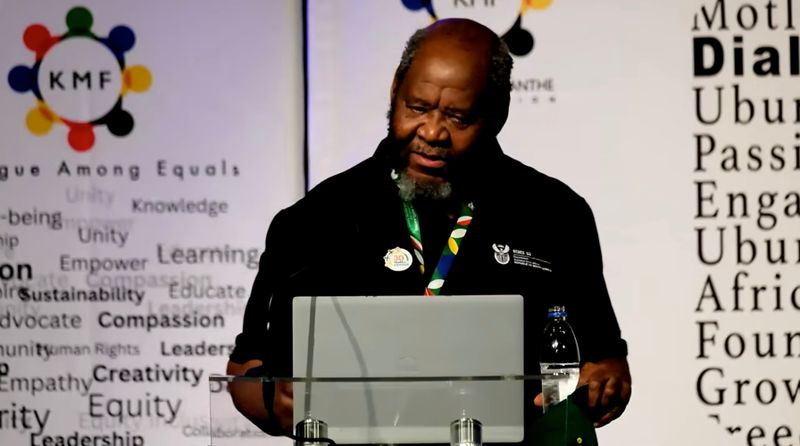
POLITICIANS PUMMELLED: SA’s path to ‘no future’ — former statistician-general Lehohla slams ‘performative’ politics

ANALYSIS: New mayors beware — SA’s local government revolt is waiting for a spark

Mets legend Jerry Koosman dies at 83: Pitcher helped New York win 1969 World Series
Latest
OUR CITY NEWS: Eighty-three parties contest crowded Joburg local government elections
Troubled port: Transnet and foreign operator face scrutiny over backlog at Durban Gateway Terminal
BUSINESS REFLECTION: Crossed Wires: The internet’s technical debt is due, and we can’t pay
Investment Outlook: Did Datatec catch an AI tailwind or is it a breeze?
Okorocha chasing shadows, Uzodimma says, vows to appeal court judgement
POLITICIANS PUMMELLED: SA’s path to ‘no future’ — former statistician-general Lehohla slams ‘performative’ politics
ANALYSIS: New mayors beware — SA’s local government revolt is waiting for a spark
Mets legend Jerry Koosman dies at 83: Pitcher helped New York win 1969 World Series