Spanish high-speed train collision kills dozens and injures more than 100

A high-speed train collision south of Madrid on Wednesday killed 64 people and injured scores more. Authorities warned the death toll is likely to rise, in what is one of Europe's deadliest such disasters this century.
Issued on: 28/10/2026 - 12:22Modified: 28/10/2026 - 17:17
To display this content from YouTube, you must enable advertisement tracking and audience measurement.
One of your browser extensions seems to be blocking the video player from loading. To watch this content, you may need to disable it on this site.
Reporters on the scene in the central region of Castilla-La Mancha saw one train embedded into another, in the second such accident to strike Spain this year.
Some carriages were lying on their side at the bottom of an embankment, while dozens of emergency services vehicles were racing to and from the site.
"We are speaking of approximately 64 [dead] but this is probably going to grow even more," Castilla-La Mancha's leader Emiliano Garcia-Page told reporters at the scene, raising a previous toll of 31.
Spain suspends high-speed train services after deadly collision
A spokeswoman from the Castilla-La Mancha government told French news agency AFP that more than 100 people had been injured. Of them, 58 had been taken to hospital, with 15 in a critical condition.
Helicopters hovered above the site during a frantic search for survivors, while several black vans arrived from a funeral home.
State railway operator Renfe confirmed in a statement that the main high-speed line from Madrid to southern Spain had been suspended after one of its services suffered an accident with a train from private Spanish company Iryo.
Iryo said in a statement that its train, which was carrying 147 passengers and five staff including the driver, "was hit from behind" by the Renfe service.
A visibly shaken Manuel Ortiz, 49, who lives in the nearby village of Urda, around 130 kilometres south of Madrid, told AFP he had been transporting survivors all morning in his car.
Ortiz added that the passengers of the Iryo train told him their train was stationary when the collision happened, describing a "horrific, horrible" scene that "smelled of an accident, of metal".
Rail safety under scrutiny
The accident comes one month before Socialist Prime Minister Pedro Sanchez seeks to overturn unfavourable polls and extend his eight-year premiership in an early general election on 29 November.
Sanchez's office said he was heading to the scene. The premier posted on social media platform X that he was "shocked" by the accident and sent "my love, solidarity and support to all the victims and their families".
5 French men killed in Spanish crash
Condolences flooded in from across Spain and Europe. The Spanish royal household said on X it was "shocked and concerned" by the accident, conveying its support to the victims, their loved ones and the emergency services.
An EU spokeswoman said the bloc was "ready to help Spain if needed", while European Commission chief Ursula von der Leyen said "Europe mourns" with the victims after the "devastating news".
The Spanish football federation postponed 24 matches in the first round of the Copa del Rey "as a mark of respect and solidarity".
Spain's high-speed rail network has received huge investment in recent years, growing to become the world's second-largest after China and a source of national pride.
But Wednesday's accident comes after another collision between two high-speed trains outside the southern village of Adamuz in January left 46 dead, which raised major questions about safety on the country's railways.
That crash was Spain's deadliest train accident since 2013, when 80 people died after a train veered off a curved section of track outside the northwestern city of Santiago de Compostela.
Both of this year's accidents happened on the line linking Madrid to the southern city of Seville.
The cause of the latest disaster, which happened on a straight stretch of track in sunny, dry conditions, was unknown. Five people wearing white overalls were examining the tracks and taking photographs, AFP reported.
One of the country's busiest routes, it was Spain's first high-speed line when it opened in 1992 to coincide with the Seville universal exposition.
(with AFP)
Daily newsletterReceive essential international news every morning
Keep up to date with international news by downloading the RFI app
Related Topics
Keywords
Related Stories
Binance sees spike in withdrawals as exchange returns online after $6.3 billion heist
Nov 1 (Reuters) - Binance customers pulled $3.64 billion, or 2.1% of its assets, as the world's biggest cryptocurrency exchange went back online on Sunday after hackers the FBI links to North Korea stole billions from the platform last week.

LOCAL ELECTIONS 2026: The top four parties’ final campaign pitches
The ANC, DA, MK party and EFF all held their final campaign rallies this weekend. Here are their final pitches to voters.

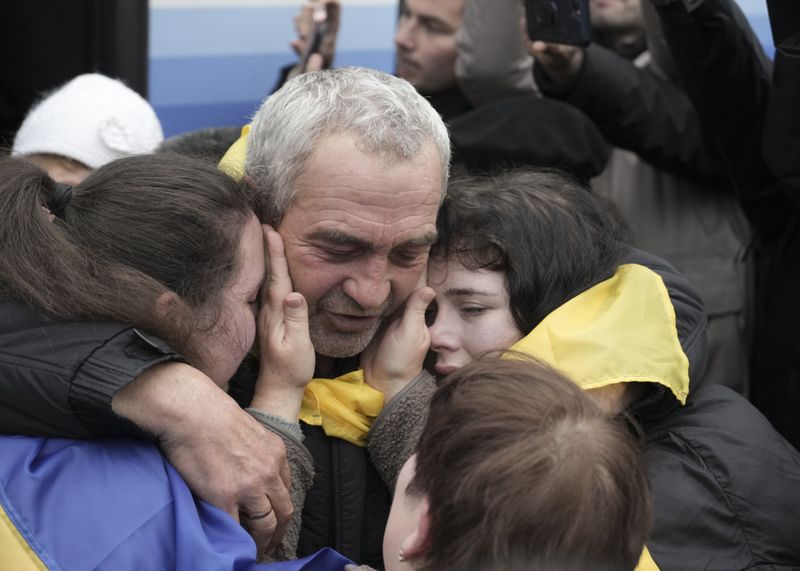
Ukraine evacuates civilians from parts of Kherson region as expiry of Oleshky ceasefire nears
Nov 1 (Reuters) - Ukraine's military said it evacuated 167 people from threatened areas of southern Kherson region on Sunday as a temporary local ceasefire neared expiry -- two days after busloads of residents were brought out of the embattled Russian-held town of Oleshky.
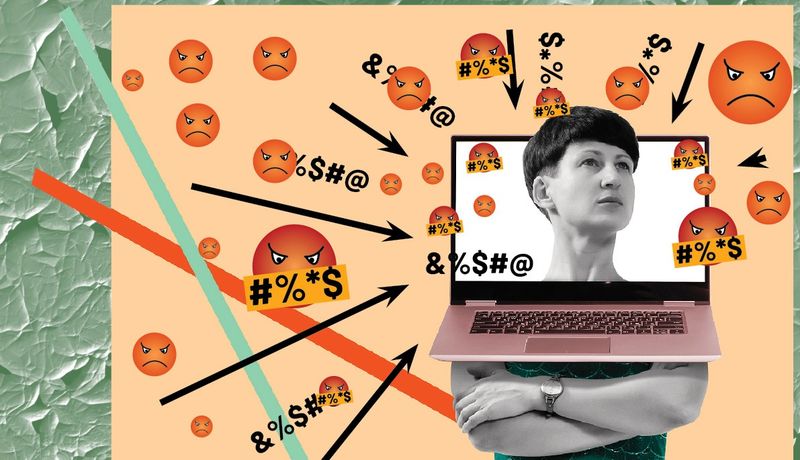
ARTIFICIAL INTELLIGENCE OP-ED: Forget future existential threats — AI is automating gendered violence and misogyny right now
The current alarm about the future dangers of agentic AI might distract us from the very real AI harms already happening. As we speculate about whether machines might one day become dangerous to humankind, AI is deepening misogyny, eroding safety and automating gendered abuse.
Top Stories
Binance sees spike in withdrawals as exchange returns online after $6.3 billion heist
LOCAL ELECTIONS 2026: The top four parties’ final campaign pitches
Ukraine evacuates civilians from parts of Kherson region as expiry of Oleshky ceasefire nears
ARTIFICIAL INTELLIGENCE OP-ED: Forget future existential threats — AI is automating gendered violence and misogyny right now
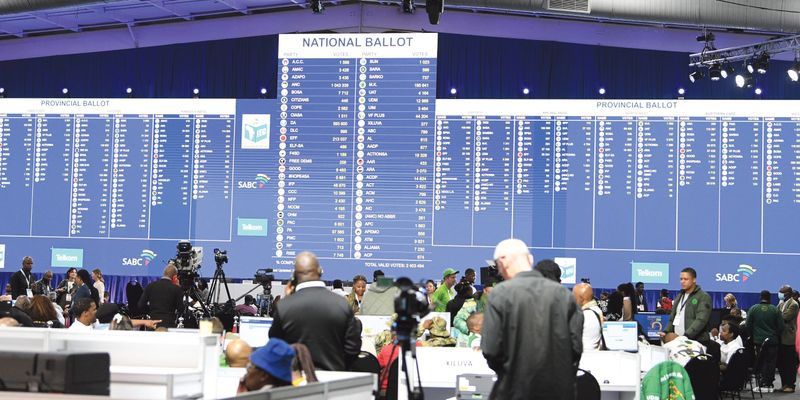
LOCAL ELECTIONS 2026: What happens after the vote? Councils, coalitions and (maybe) controversies

OUR CITY NEWS: Eighty-three parties contest crowded Joburg local government elections
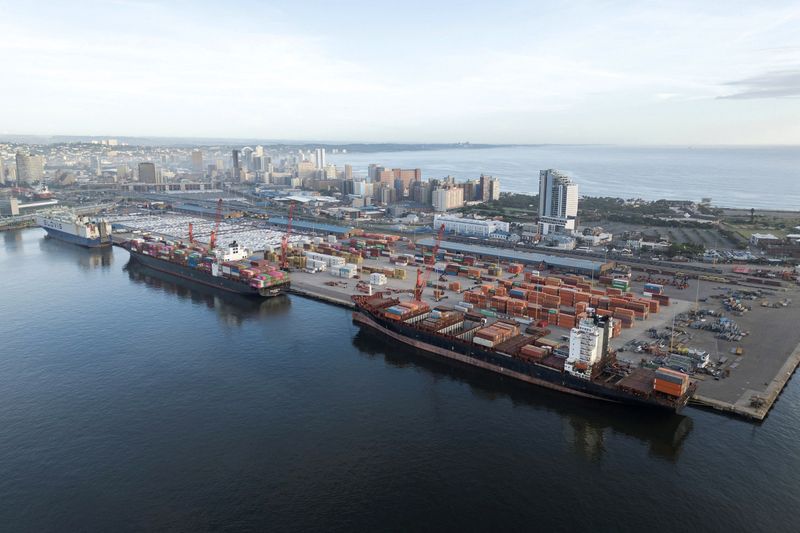
Troubled port: Transnet and foreign operator face scrutiny over backlog at Durban Gateway Terminal

BUSINESS REFLECTION: Crossed Wires: The internet’s technical debt is due, and we can’t pay
Latest
Binance sees spike in withdrawals as exchange returns online after $6.3 billion heist
LOCAL ELECTIONS 2026: The top four parties’ final campaign pitches
Ukraine evacuates civilians from parts of Kherson region as expiry of Oleshky ceasefire nears
ARTIFICIAL INTELLIGENCE OP-ED: Forget future existential threats — AI is automating gendered violence and misogyny right now
LOCAL ELECTIONS 2026: What happens after the vote? Councils, coalitions and (maybe) controversies
OUR CITY NEWS: Eighty-three parties contest crowded Joburg local government elections
Troubled port: Transnet and foreign operator face scrutiny over backlog at Durban Gateway Terminal
BUSINESS REFLECTION: Crossed Wires: The internet’s technical debt is due, and we can’t pay