"Sub-Saharan Africa resilient, despite mounting global shocks" - Abebe Selassie


Sub-Saharan Africa entered 2026 with its strongest economic momentum in over a decade... before a new global shock abruptly altered the outlook.
“Sub-Saharan Africa entered 2026 with the strongest economic momentum it had seen in a decade. And then came the war,” said Abebe Aemro Selassie, presenting the latest Regional Economic Outlook at the Spring Meetings of the International Monetary Fund.
“How to hold the line, preserving hard-won gains while absorbing yet another shock is the central challenge,” he added.
A decade-high growth momentum now under pressure
According to the report, 2025 marked a year of significant progress across the region. Economic growth reached 4.5%, the fastest pace in more than ten years, driven by improved external conditions and, crucially, domestic reforms.
Countries such as Ethiopia and Nigeria implemented key macroeconomic measures, including exchange rate adjustments, subsidy cuts, and tighter monetary policy, leading to improved fiscal balances, declining inflation, and even sovereign rating upgrades.
Inflation fell to a median of 3.4% by the end of 2025, while fiscal deficits narrowed and public debt levels declined.
“In short, 2025 was a year of hard-won stabilization gains,” Selassie said. “Policymakers across the region deserve credit.”
Yet those gains are now under strain.
War-driven shock hits vulnerable economies hardest
The conflict in the Middle East has triggered a new wave of economic strain, pushing up oil, gas, and fertilizer prices, increasing shipping costs, and disrupting trade, tourism, and remittances.
As a result, the IMF has revised regional growth down to 4.3% for 2026, with inflation expected to rise to around 5%.
The impact varies sharply across countries. Oil exporters may benefit from higher revenues but remain exposed to volatility, while oil-importing countries, particularly fragile and low-income states, face worsening trade balances and rising living costs.
“The human consequences could be severe,” Selassie warned.
He also highlighted a less visible but critical factor: a sharp and unprecedented decline in official development assistance.
“What we are seeing now appears more structural,” he said, noting that aid cuts are hitting the most vulnerable economies hardest, where such support is essential for basic services like healthcare and food security.
Resilience built through reform
Despite these mounting pressures, Selassie stressed that African economies have already shown significant resilience.
“Don’t underestimate how much countries have done to contain the impact of successive shocks,” he said.
However, sustaining this resilience will require continued effort. In the short term, governments must protect vulnerable populations and maintain essential public spending, particularly in areas such as food security.
Over the longer term, rebuilding fiscal buffers and strengthening domestic revenue mobilisation will be key. These reforms, Selassie acknowledged, require difficult political choices and broad engagement.
“They require engaging in difficult conversations with different stakeholders,” he noted.
Ghana’s recovery and cautious optimism
Among standout performers, Selassie pointed to Ghana as an example of improving macroeconomic stability.
“I’m very happy to see the improvement in macroeconomics in Ghana,” he said, expressing optimism about the country’s growth trajectory and long-term potential.
Still, he emphasized the importance of maintaining reform momentum beyond current programs to ensure lasting stability.
“The potential there is tremendous,” he added.
On Senegal, Selassie addressed concerns over previously undisclosed debt, indicating that the IMF is working closely with authorities to design a response that avoids placing undue burden on the population. Discussions remain ongoing.
A shifting global order
Beyond immediate challenges, Selassie pointed to a deeper transformation underway in the global economy.
“This is a big shift in the global order that all Sub-Saharan African countries will have to grapple with,” he said.
To navigate this evolving landscape, countries will need to strengthen resilience through structural reforms, deeper financial markets, and greater regional integration, notably through initiatives such as the African Continental Free Trade Area.
A farewell marked by recognition
The briefing also carried an emotional moment. Selassie had already announced his retirement as Director of the IMF’s African Department, bringing to a close years of engagement with the continent’s economic challenges.
He was met with a standing ovation from journalists in the room, a rare tribute reflecting the respect he has earned.
Looking ahead
As Sub-Saharan Africa faces a more uncertain global environment, the IMF’s message is clear: the region has made real progress, but the path forward will require sustained reform efforts.
“The gains of 2025 are real, and they are worth defending,” Selassie concluded.
With continued support from the IMF through financing, policy advice, and capacity development, the challenge now is not only to preserve these gains, but to turn them into a foundation for stronger, more inclusive growth.
Related articles
"The IMF’ mission is to help countries help themselves" - Kristalina Georgieva
IMF Warns of Mounting Economic Pressures for Sub-Saharan Africa Amid Global Instability
IMF chief warns that Iran war will slow global economic growth
02:25 "The IMF’ mission is to help countries help themselves" - Kristalina Georgieva
00:17 IMF Warns of Mounting Economic Pressures for Sub-Saharan Africa Amid Global Instability
 02:12
IMF chief warns that Iran war will slow global economic growth
02:25 "The IMF’ mission is to help countries help themselves" - Kristalina Georgieva
00:17 IMF Warns of Mounting Economic Pressures for Sub-Saharan Africa Amid Global Instability
02:12
IMF chief warns that Iran war will slow global economic growth
NEWS 01:17 Iranian president blames United States for failure of interim peace deal
 NEWS
00:54
Two 'unauthorised' oil tankers struck in Strait of Hormuz, Iran says
 NEWS
01:49
Nigeria can stop Ebola spread, former disease control chief says
NEWS 01:52 Egypt will 'defend Saudi territory' and won't attack Yemen, Sisi says
BUSINESS 01:46 IMF annual meeting: Developing nations need greater digital connectivity
NEWS 01:06 Africa overtakes Europe in Catholic population as global mumbers reach 1.422 billion
 01:30
Nigeria
Nigeria's Tinubu defends policies as he launches re-election bid
 01:13
Gabon
Gabon restores social media access after an eight-month ban
01:01 Saudi Arabia Saudi Arabia's Riyadh airport partially resumes flights after Houthi attacks
Keywords
Related Stories
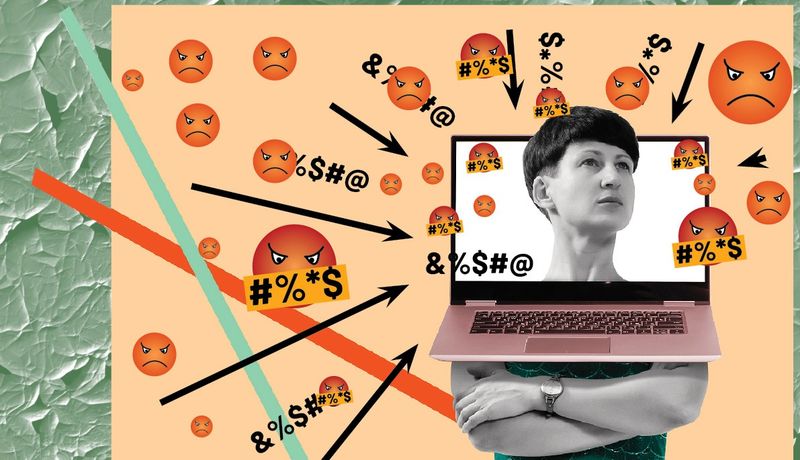
ARTIFICIAL INTELLIGENCE OP-ED: Forget future existential threats — AI is automating gendered violence and misogyny right now
The current alarm about the future dangers of agentic AI might distract us from the very real AI harms already happening. As we speculate about whether machines might one day become dangerous to humankind, AI is deepening misogyny, eroding safety and automating gendered abuse.
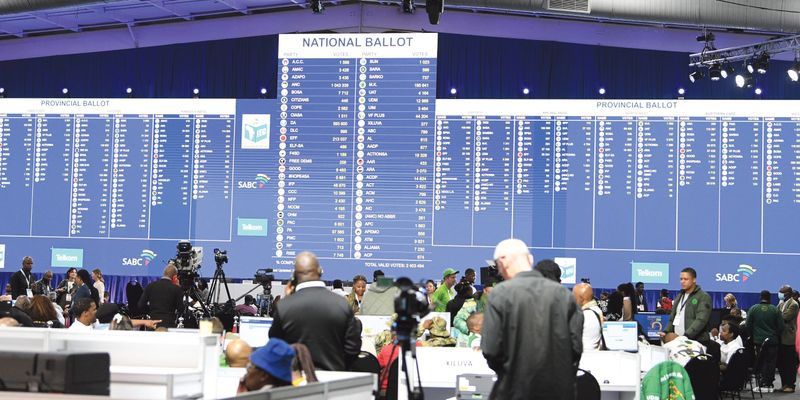
LOCAL ELECTIONS 2026: What happens after the vote? Councils, coalitions and (maybe) controversies
When voting in the 4 November local government election is completed, if the pollsters have been proven correct, coalitions will dominate across South Africa’s 257 councils, including most of the eight metros. Here’s what happens once the voting ends and the stations close.
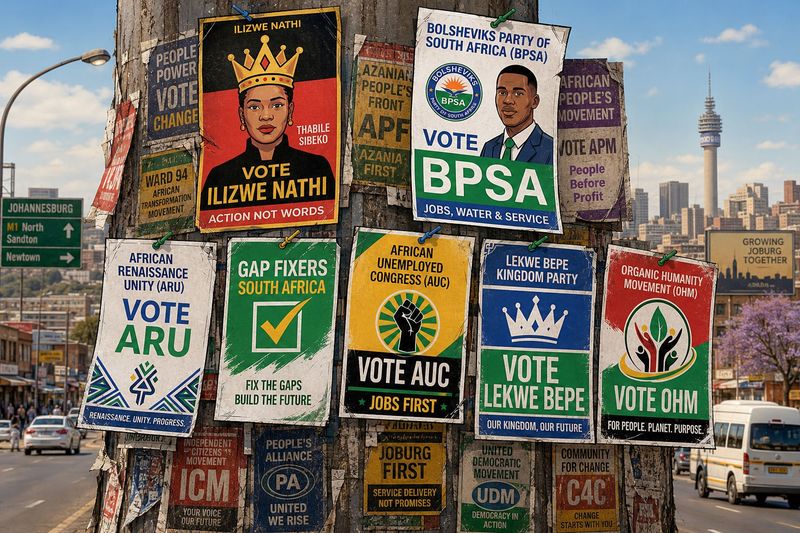
OUR CITY NEWS: Eighty-three parties contest crowded Joburg local government elections
Johannesburg is the most contested municipality in SA’s local elections. Here are some of the 83 political parties in the running that you probably haven’t heard of.
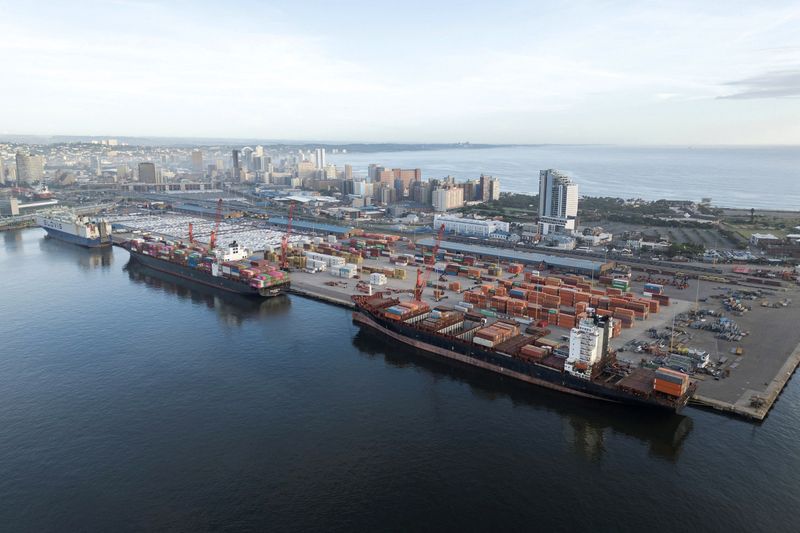
Troubled port: Transnet and foreign operator face scrutiny over backlog at Durban Gateway Terminal
The freight sector and the President are concerned about the serious slowdown of cargo at Durban harbour, but the status of Durban Gateway Terminal as a public-private partnership muddies the waters of accountability.
Top Stories
ARTIFICIAL INTELLIGENCE OP-ED: Forget future existential threats — AI is automating gendered violence and misogyny right now
LOCAL ELECTIONS 2026: What happens after the vote? Councils, coalitions and (maybe) controversies
OUR CITY NEWS: Eighty-three parties contest crowded Joburg local government elections
Troubled port: Transnet and foreign operator face scrutiny over backlog at Durban Gateway Terminal

BUSINESS REFLECTION: Crossed Wires: The internet’s technical debt is due, and we can’t pay
Investment Outlook: Did Datatec catch an AI tailwind or is it a breeze?

Okorocha chasing shadows, Uzodimma says, vows to appeal court judgement
POLITICIANS PUMMELLED: SA’s path to ‘no future’ — former statistician-general Lehohla slams ‘performative’ politics
Latest
ARTIFICIAL INTELLIGENCE OP-ED: Forget future existential threats — AI is automating gendered violence and misogyny right now
LOCAL ELECTIONS 2026: What happens after the vote? Councils, coalitions and (maybe) controversies
OUR CITY NEWS: Eighty-three parties contest crowded Joburg local government elections
Troubled port: Transnet and foreign operator face scrutiny over backlog at Durban Gateway Terminal
BUSINESS REFLECTION: Crossed Wires: The internet’s technical debt is due, and we can’t pay
Investment Outlook: Did Datatec catch an AI tailwind or is it a breeze?
Okorocha chasing shadows, Uzodimma says, vows to appeal court judgement
POLITICIANS PUMMELLED: SA’s path to ‘no future’ — former statistician-general Lehohla slams ‘performative’ politics