The AGOA hit will be small on GDP but heavy on jobs
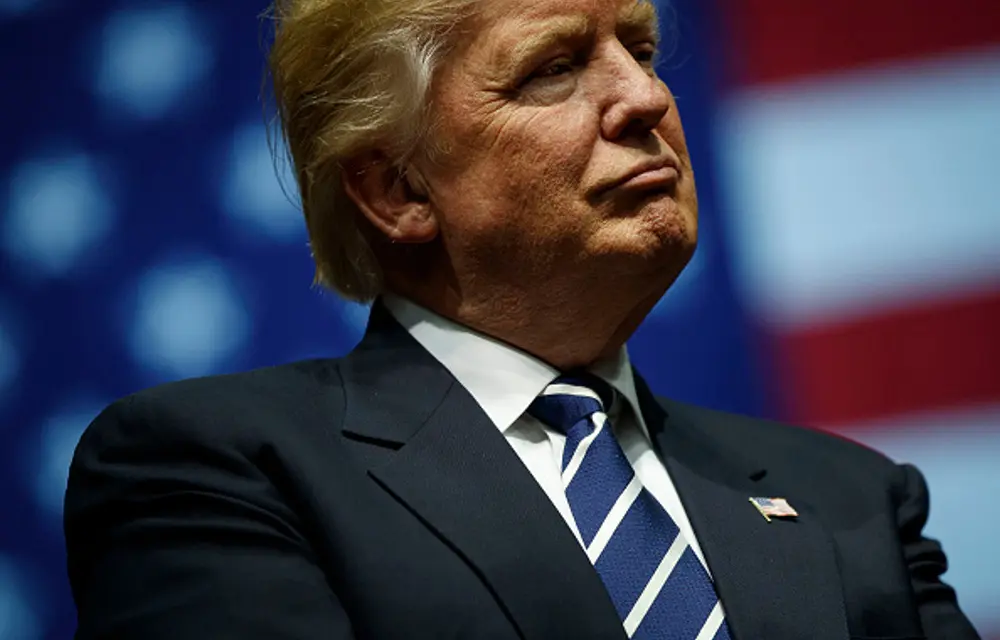
The Trump administration's announcement of its intention to terminate South Africa's eligibility for the African Growth and Opportunity Act (Agoa), from 1 January 2027, is another setback for the country's trade relationship with the United States because it comes at a time when bilateral relations are under strain.
However, it is important to clarify that this does not mean an immediate suspension of the trade benefits. South Africa remains eligible for the programme until the proposed termination takes effect.
If the termination does indeed proceed, South Africa would be able to export to the US but on less favourable terms.
South African exporters would face additional most favoured nation tariffs of around 3.4%, on top of the tariffs imposed by the US administration. This would potentially make those products less competitive in the US market.
Historically, South Africa has been the largest beneficiary of the US programme, exporting approximately $1.7 billion (R28bn) worth of goods to the US under Agoa in 2025.
In terms of the broader economic impact, Agoa-related exports account for approximately 10% of South Africa's total exports to the US. However, when measured against South Africa's total exports globally, they account for only 1%.
This suggests that the direct impact on overall GDP will probably be relatively small. However, the impact on employment could be more significant, particularly in industries that are reliant on access to the US market. The automotive and agricultural sectors, among others, could face increased pressure on their competitiveness, with potential implications for production, investment and jobs.
Beyond the immediate trade impact, the decision introduces further uncertainty into South Africa's relationship with an important trading partner and investment partner. South Africa's trade ministry has reiterated that Washington remains an important trade and investment partner, while also indicating that the country will accelerate efforts to diversify its export market. However, finding alternative markets of comparable size and value is neither immediate nor costless.
This makes continued diplomatic engagement particularly important before the proposed termination date. Ultimately, while the direct impact on South Africa's overall economic growth might be relatively contained, the loss of preferential access represents another headwind for export competitiveness with potentially more significant consequences for businesses, workers and industries that rely on the US market.
Tshiamo Masike is an economist at Momentum Group
Keywords
Related Stories
Sowore dismisses police’s arrest of 11 suspects linked to his attack in Ekiti, alleges cover-up
Mr Sowore urged the Inspector-General of Police to set up an independent team to investigate the attack, secure and analyse available CCTV footage, recover the stolen devices and preserve electronic and communication records. The post Sowore dismisses police’s arrest of 11…

PSG coach Enrique hails 'sensational' Champions League win at Villarreal
Paris Saint-Germain head coach Luis Enrique on Wednesday hailed his team's performance as sensational after they blazed past Villarreal 6-0 to maintain their perfect start to the defence of their Champions League title.

Four arrested after police officer injured in stone and bottle attack near Cape Town voting station
Four suspects aged between 16 and 20 have been arrested after a police officer was injured during a violent confrontation near a Hanover Park voting station in Cape Town. Police fired three warning shots to disperse the attackers.

Tumisho Masha under fire after posting picture of his marked ballot paper
Actor Tumisho Masha has faced criticism after sharing a photograph of his marked ballot paper during the Local Government Elections.

Top Stories
Sowore dismisses police’s arrest of 11 suspects linked to his attack in Ekiti, alleges cover-up

Nadal set to join Real Madrid board of directors
PSG coach Enrique hails 'sensational' Champions League win at Villarreal
Four arrested after police officer injured in stone and bottle attack near Cape Town voting station

Week 9 QB Power Rankings: Familiar name returns to No. 1, Cam Ward crawls out of basement

Passengers thought mass train attack 'was a joke'

Central Michigan vs. Eastern Michigan prediction, odds, time: Week 10 MACtion picks by proven model
Tumisho Masha under fire after posting picture of his marked ballot paper
Latest
Sowore dismisses police’s arrest of 11 suspects linked to his attack in Ekiti, alleges cover-up
Nadal set to join Real Madrid board of directors
PSG coach Enrique hails 'sensational' Champions League win at Villarreal
Four arrested after police officer injured in stone and bottle attack near Cape Town voting station
Week 9 QB Power Rankings: Familiar name returns to No. 1, Cam Ward crawls out of basement
Passengers thought mass train attack 'was a joke'
Central Michigan vs. Eastern Michigan prediction, odds, time: Week 10 MACtion picks by proven model
Tumisho Masha under fire after posting picture of his marked ballot paper