THE FINANCIAL WELLNESS COACH: Interest on your money in the bank may deliver less than expected after tax

It’s worth exploring investment options, offshore endowments and estate planning to reduce costs and avoid a hefty SA Revenue Service bill.
Question:
I recently got a shock from my tax adviser when I was told I have to pay the SA Revenue Service more than R100,000 this year. My adviser said it was because I have too much money in my local and offshore bank accounts. What can I do?
Answer:
Keeping money in the bank has its advantages. Your money is safe, easily accessible and not affected by the ups and downs of the share market. However, when you have substantial amounts sitting in bank accounts, there are three things worth considering:
The tax you pay;
The tax you pay;
The return you earn after tax; and
The return you earn after tax; and
What happens to the money when you die.
What happens to the money when you die.
Let’s look at your local and offshore money separately.
South African bank accounts
Keeping too much money in a bank account has tax consequences. Once the interest you earn exceeds your annual tax-free allowance, the excess is taxable. I would therefore suggest investing money you do not need in the short term in a portfolio that aims to generate capital growth rather than interest. This could reduce your tax bill and improve your after-tax returns, although investment returns are not guaranteed.
For someone paying the highest tax rate, interest can be taxed at 45%, whereas capital gains are taxed at a maximum effective rate of 18%. You also receive an annual capital gains exclusion of R50,000.
It is not just what your money earns that matters, but how much you keep after tax.
Your offshore bank accounts
Keeping some of your money offshore is a sensible way to diversify your investments and reduce your reliance on the rand. However, there are two important issues to consider.
1. Tax on offshore interest
If you are a South African tax resident, you generally pay tax on the interest earned in your offshore bank accounts, even if the money stays overseas. Unlike interest earned in South Africa, offshore interest doesn’t qualify for the annual interest exemption. This means you could pay as much as 45% tax on it.
2. What happens to your money when you die?
Many people assume their South African will is enough to deal with their offshore money. Unfortunately, it is not always that simple.
When you die, the foreign bank may require additional legal documents before releasing your money to your estate. This could mean appointing lawyers overseas, paying extra fees and waiting months for the money to be released.
There is also the risk of foreign estate taxes, sometimes called situs taxes. Certain countries may tax assets held there, even if you were living in South Africa.
One option worth considering is an offshore endowment policy. Despite its name, it is essentially an investment offered through a life insurance company.
One of the advantages of this product is that you do not have to worry about the tax administration of the investment. The insurance company handles the tax within the policy, making things much simpler for you. The biggest advantage, however, is what happens when you die. You can nominate beneficiaries to receive the investment or, in some cases, continue with it.
This can make things much easier for your family by avoiding complicated foreign legal procedures, reducing delays and potentially avoiding certain foreign estate taxes.
In terms of the future, I would suggest dividing your money according to when you are likely to need it. Keep enough money in your South African bank accounts to cover any emergencies and your expected expenses over the next year or two. Consider moving surplus cash into investments that offer better long-term growth and potential tax advantages.
For money already offshore that you intend to keep invested or leave to your children, consider whether an offshore endowment could simplify matters and make it easier for your family to inherit.
Before making any changes, consider the costs and capital gains tax implications to make sure the benefits are worthwhile. By reducing unnecessary tax, keeping costs down and structuring your investments correctly, you could improve your financial position without chasing higher returns. And, perhaps most importantly, good planning means that when the time comes, your children can benefit from the wealth you have built without unnecessary costs, delays or complications. DM
Kenny Meiring is an independent financial adviser. Contact him on 082 856 0348 or at financialwellnesscoach.co.za. Send your questions to kenny.meiring@sfpadvice.co.za
This story first appeared in our weekly DM168 newspaper, available countrywide for R39. The e-edition of Daily Maverick’s weekly newspaper, DM168, is now free for readers who are signed into their Daily Maverick account. Click here to access the e-edition.
Related Topics
Keywords
Related Stories
CSOs urge judiciary to avoid another Imo-style embarrassment in Uzodimma’s Senate case
Coalition of civil society organisations (CSOs) advises the judiciary to use the ongoing court case involving Governor Hope Uzodimma and former governor, Rochas Okorocha to restore public confidence in the courts. The post CSOs urge judiciary to avoid another Imo-style…

Freedom advocates urge Nigeria to grant Africans visa-free entry
They advocated reciprocal arrangements among African countries, citing Kenya and Rwanda as examples of countries that had taken steps to ease entry for other Africans. The post Freedom advocates urge Nigeria to grant Africans visa-free entry appeared first on Premium Times…

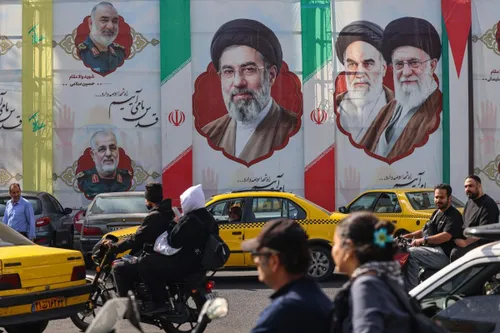
Iran warns next war with US could be longer as Trump threatens further strikes
Iran warns a renewed war with the US could last longer as Donald Trump threatens further strikes, while diplomatic efforts to prevent another escalation remain uncertain.
Two women killed in N1 crash near Kranskop as highway closed
Two women have died and five people have been injured in a head-on collision involving four vehicles on the N1 near Kranskop, forcing the closure of the northbound carriageway.

Top Stories
CSOs urge judiciary to avoid another Imo-style embarrassment in Uzodimma’s Senate case

Spence 'very proud' to break WSL appearance record

Referee accidentally fractures college football player's leg
Freedom advocates urge Nigeria to grant Africans visa-free entry
Iran warns next war with US could be longer as Trump threatens further strikes
Two women killed in N1 crash near Kranskop as highway closed
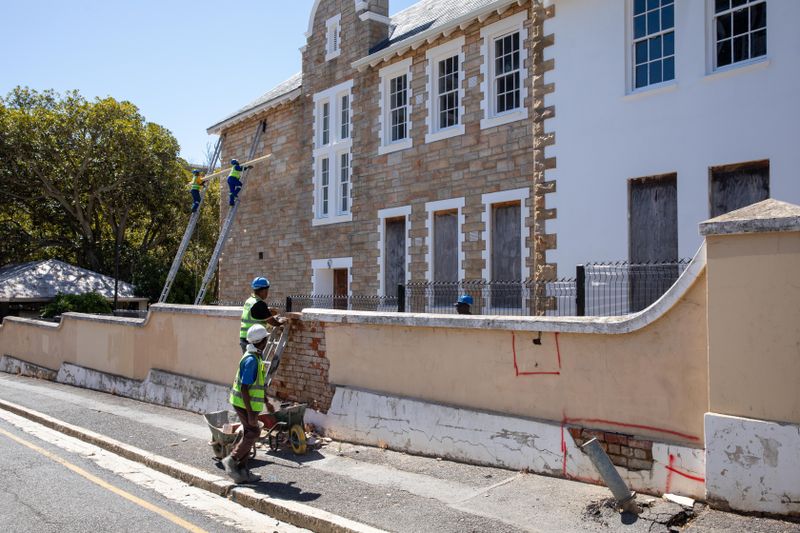
AFFORDABLE HOUSING OP-ED: CT’s Tafelberg social housing units cut by Heritage assessment

Five teenagers stabbed at Halloween party
Latest
CSOs urge judiciary to avoid another Imo-style embarrassment in Uzodimma’s Senate case
Spence 'very proud' to break WSL appearance record
Referee accidentally fractures college football player's leg
Freedom advocates urge Nigeria to grant Africans visa-free entry
Iran warns next war with US could be longer as Trump threatens further strikes
Two women killed in N1 crash near Kranskop as highway closed
AFFORDABLE HOUSING OP-ED: CT’s Tafelberg social housing units cut by Heritage assessment
Five teenagers stabbed at Halloween party