Tribute to Loyiso Nkohla: A radical voice for the voiceless in South Africa
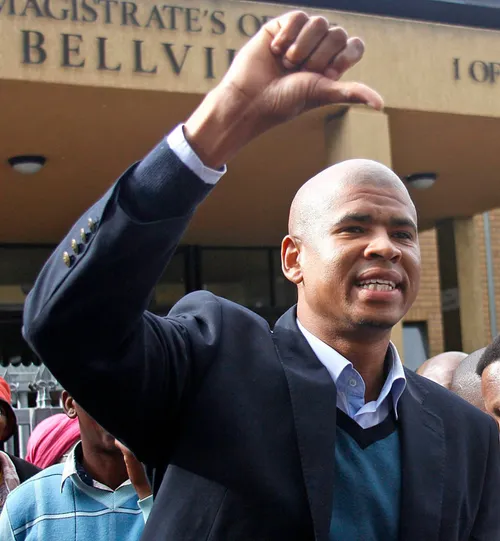
Loyiso Nkohla was gunned down in April. File Picture: Bheki Radebe / Independent Newspapers
It is with profound reverence, deep fraternal love, heavy hearts and unyielding political clarity that I offer this unified tribute to my late younger brother, Loyiso Nkohla Mabandla, affectionately named Bhovulengwe (Beard of a Lion) by our late father for his bravery, who would have celebrated his 44th birthday on 7 October. As we reflect on his enduring impact, the trial of the accused in his murder is scheduled to commence on 26 October 2026.
Yet, while his blood was royal, his heart belonged entirely to the marginalised, the homeless, the working class, the poor Black, Coloured and Indian residents, and the forgotten masses of South Africa.
I reflect on a life defined by courage, intellectual brilliance and an uncompromising dedication to human dignity. History will remember Loyiso not by the narrow labels imposed by his detractors, but by his revolutionary impact.
When he was expelled from the African National Congress under the pretext of "bringing the movement into disrepute," I pointed out unequivocally that the main reason was his leadership in the "Asijiki Brigade" — a faction we formed to advocate for Generational Mix, which led to the expulsions of several prominent youth leaders.
Loyiso was a brilliant political strategist who agitated poor working-class voters living in the Western Cape, forcing them to realise that their daily indignities were shared. This united struggle across racial lines — built around shared daily indignities — triggered panic amongst all political parties. Ironically, the DA became the first political party to recruit him after his expulsion by the ANC, proving his immense political influence and value.
Those who were expelled with him from the ANC as part of the Asijiki Brigade went on to form their own political parties and are today contesting elections.
"Street Lamp" (towering light for the poor), as I affectionately called Loyiso, possessed a rare political genius. He had an uncanny ability to identify "soft grievances" — the daily struggles of raw human survival, such as lack of clean water, proper sanitation and decent shelter — that mainstream politicians were too afraid or too detached to tackle. Through the Ses'khona People's Rights Movement, which he co-founded in 2013, he united informal settlement dwellers across Khayelitsha, Philippi, Langa, Dunoon and Kraaifontein, giving voice to those who had been reduced to silence and turning the struggle for sanitation into a national debate on human dignity.
Because he refused to compromise or be silenced by political manipulation against the genuine will of the people, Loyiso belongs in the sacred pantheon of Africa's selfless revolutionary martyrs — alongside Josiah Tongogara, Samora Machel, Solomon Mahlangu and Thomas Sankara — who were all taken from us far too soon.
Loyiso was a man who could not be bought, silenced or intimidated; when he stepped away from formal party politics to focus on social facilitation, he did so to directly serve those living in the most desperate conditions.
On 17 April 2023, Loyiso was brutally gunned down while in prayer, opening a community meeting at Philippi train station, three weeks after burying his mother. Similar to the biblical story of the Last Supper, where Jesus was betrayed by Judas, the accused in Loyiso's murder trial is the Judas who betrayed him, and who was in prayer as well.
He died as he lived, with a meeting agenda file in his hands, standing inside a community hall, fighting to secure dignified housing for the poor. He gave his final breath in active service to the people.
Loyiso's life and untimely passing serve as an urgent mirror held up to all political parties. His loss highlights the devastating cost of internal process manipulation — where community-chosen leaders are sidelined, overridden and forced out in favour of factional favourites.
This systematic manipulation is the underlying cancer that has crippled political parties across the African continent, liberation and opposition alike, subverting intra-party democracy, eroding voter trust and destroying the moral authority of the movement.
To survive, all political parties must treat voters with the same respect a business shows its commercial customers.
Just as a sports coach who fields personal favourites instead of the best players will lose matches and alienate fans, a political party that privileges factional favourites over community-chosen leaders forfeits public trust and drives alienated voters to support rival parties in record numbers at the ballot box.
Beyond the political arena, Loyiso was a pillar of both the Nkohla and Mabandla families — a loving husband, a devoted father, and a protective, loyal brother who brought warmth, humour and boundless energy to the Mabandla and Nkohla households.
To the AmaBhele Nation and the Nkohla family, to the people of South Africa, particularly the township residents of the Western Cape whose dignity he fought to restore, Loyiso leaves behind an indelible legacy of selfless struggle.
Though assassins' bullets ended your mortal life, they could never extinguish the flame of justice you ignited in the hearts of millions. Loyiso gave his life fighting for the authentic voice of the poor, and his memory will forever serve as an unyielding call for democratic integrity, moral renewal and true community leadership.
Prince Sivile Mabandla is a member of the Royal Family
The views expressed do not necessarily reflect those of IOL
Related Topics
Keywords
Related Stories
CSOs urge judiciary to avoid another Imo-style embarrassment in Uzodimma’s Senate case
Coalition of civil society organisations (CSOs) advises the judiciary to use the ongoing court case involving Governor Hope Uzodimma and former governor, Rochas Okorocha to restore public confidence in the courts. The post CSOs urge judiciary to avoid another Imo-style…

Freedom advocates urge Nigeria to grant Africans visa-free entry
They advocated reciprocal arrangements among African countries, citing Kenya and Rwanda as examples of countries that had taken steps to ease entry for other Africans. The post Freedom advocates urge Nigeria to grant Africans visa-free entry appeared first on Premium Times…

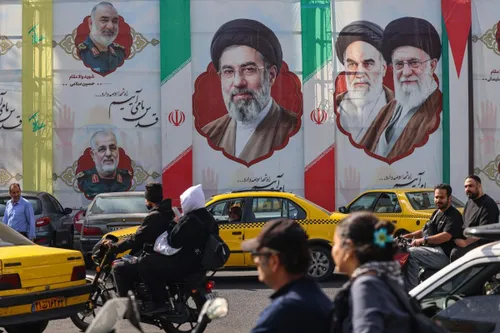
Iran warns next war with US could be longer as Trump threatens further strikes
Iran warns a renewed war with the US could last longer as Donald Trump threatens further strikes, while diplomatic efforts to prevent another escalation remain uncertain.
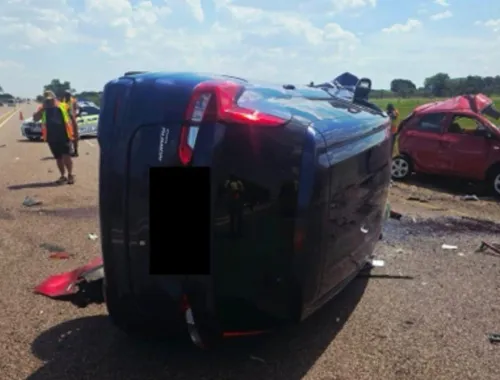
Two women killed in N1 crash near Kranskop as highway closed
Two women have died and five people have been injured in a head-on collision involving four vehicles on the N1 near Kranskop, forcing the closure of the northbound carriageway.
Top Stories
CSOs urge judiciary to avoid another Imo-style embarrassment in Uzodimma’s Senate case

Spence 'very proud' to break WSL appearance record

Referee accidentally fractures college football player's leg
Freedom advocates urge Nigeria to grant Africans visa-free entry
Iran warns next war with US could be longer as Trump threatens further strikes
Two women killed in N1 crash near Kranskop as highway closed
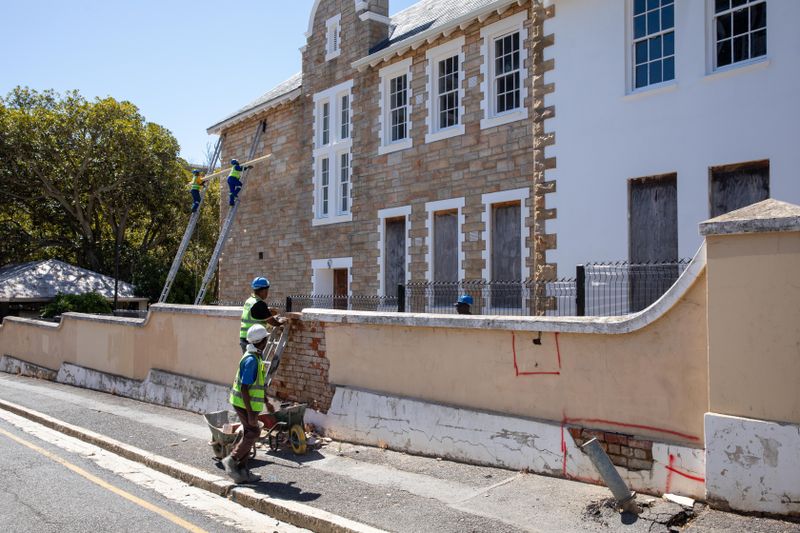
AFFORDABLE HOUSING OP-ED: CT’s Tafelberg social housing units cut by Heritage assessment

Five teenagers stabbed at Halloween party
Latest
CSOs urge judiciary to avoid another Imo-style embarrassment in Uzodimma’s Senate case
Spence 'very proud' to break WSL appearance record
Referee accidentally fractures college football player's leg
Freedom advocates urge Nigeria to grant Africans visa-free entry
Iran warns next war with US could be longer as Trump threatens further strikes
Two women killed in N1 crash near Kranskop as highway closed
AFFORDABLE HOUSING OP-ED: CT’s Tafelberg social housing units cut by Heritage assessment
Five teenagers stabbed at Halloween party