Uganda Joins Kenya, Tanzania, Burundi, Rwanda, South Sudan, Democratic Republic of the Congo, and More Countries to Propel East African Tourism Growth and Regional Integration

Uganda has joined forces with Kenya, Tanzania, Burundi, Rwanda, South Sudan, the Democratic Republic of the Congo (DRC), and other East African nations in a unified effort to propel the growth of tourism and enhance regional integration. This collaboration is designed to strengthen the East African tourism sector by combining the region’s diverse natural, cultural, and historical attractions, while improving infrastructure, connectivity, and sustainable practices. The collective goal is to position East Africa as a leading global tourism destination, driving increased international visitation, fostering cross-border partnerships, and ensuring shared economic benefits. By working together, these countries aim to create a seamless tourism experience for visitors, promote multi-destination travel, and unlock the region’s full potential as a hub for sustainable, adventure, and cultural tourism. This regional integration not only boosts tourism but also plays a crucial role in economic development, job creation, and long-term stability within the East African Community.
The tourism sector in East Africa has witnessed rapid growth in recent years, with countries across the region increasingly recognizing its potential as a key driver of economic development, job creation, and cross-border cooperation. The latest move by Uganda, joining Kenya, Tanzania, Burundi, Rwanda, South Sudan, and the Democratic Republic of the Congo (DRC) to propel East African tourism growth and regional integration, underscores the region’s commitment to building a unified and sustainable tourism destination.
This landmark collaboration is designed to foster greater cooperation, improve infrastructure, and promote the East African region as a single, competitive tourism destination. By leveraging each country’s unique strengths, the East African Community (EAC) aims to create synergies that will boost regional tourism, attract more international visitors, and foster shared economic benefits.
1. Uganda: A Strategic Partner in East African Tourism Growth
Uganda has long been a key player in the East African tourism sector, known for its abundant wildlife, including the famous mountain gorillas in Bwindi Impenetrable Forest, and its rich cultural heritage. As part of this regional collaboration, Uganda is focusing on enhancing its tourism infrastructure, promoting sustainable travel experiences, and developing new tourism products that appeal to both local and international tourists.
Advertisement
Advertisement
The Ugandan government, through its tourism board, has already initiated several initiatives aimed at boosting regional tourism. These include improving air connectivity, developing new safari routes, and promoting Uganda as a multi-destination hub within East Africa. Uganda’s inclusion in this tourism collaboration signals the country’s readiness to work alongside its neighbors to promote East Africa as a leading global tourism destination.
2. Kenya: A Key Tourism Hub with Strong Infrastructure
Kenya has long been one of East Africa’s most visited countries, thanks to its world-renowned safari destinations, such as the Maasai Mara National Reserve and Amboseli National Park, and its vibrant cultural heritage. With a well-established tourism infrastructure, including international airports, luxury lodges, and adventure tourism offerings, Kenya serves as a gateway for international tourists into East Africa.
Advertisement
Advertisement
Kenya’s tourism sector has seen significant growth in recent years, and its collaboration with other East African nations is set to further enhance its competitive edge. Kenya is focusing on promoting eco-tourism, expanding its beach tourism offerings along the Indian Ocean, and improving regional air connectivity to make it easier for tourists to travel between East African countries.
3. Tanzania: Home to Iconic Natural Wonders
Tanzania is home to some of East Africa’s most iconic natural wonders, including Mount Kilimanjaro, the Serengeti National Park, and the Ngorongoro Crater. These world-class attractions make Tanzania a key player in the regional tourism collaboration.
Tanzania has long recognized the value of tourism as an economic driver and has invested heavily in its tourism infrastructure. The country’s government has focused on improving road networks, upgrading airports, and enhancing visitor experiences through sustainable tourism initiatives. By collaborating with Uganda, Kenya, and other East African nations, Tanzania is positioning itself as a central player in the region’s efforts to promote multi-destination travel experiences and enhance tourism growth across East Africa.
4. Burundi: An Emerging Destination for Eco-Tourism
Burundi, though smaller and less well-known than some of its East African counterparts, has unique tourism offerings that make it an emerging destination for travelers. With its lush landscapes, abundant wildlife, and lakeside attractions, Burundi is positioning itself as a destination for eco-tourism and adventure travel.
Through regional collaboration, Burundi is aiming to build its tourism infrastructure and improve its marketing efforts to attract international visitors. The government is working on promoting the country’s natural beauty, particularly Lake Tanganyika and the Kibira National Park, which offer travelers a chance to experience unspoiled nature in a peaceful setting.
5. Rwanda: A Leader in Conservation and Sustainable Tourism
Rwanda has emerged as a leader in conservation and sustainable tourism in East Africa. The country’s flagship tourism product, gorilla trekking in Volcanoes National Park, has attracted tourists from around the world. Rwanda is also known for its clean, safe environment and its commitment to eco-friendly tourism practices.
Advertisement
Advertisement
Rwanda’s government has been actively involved in promoting the country as a premier destination for responsible tourism, and it is working closely with Uganda, Tanzania, and other countries to strengthen regional tourism ties. Rwanda’s focus on eco-tourism, luxury travel, and adventure tourism has made it an attractive destination for high-end travelers looking for unique and sustainable experiences.
6. South Sudan: A New Frontier for Tourism Development
South Sudan, although a relatively new player in the tourism market, holds significant potential for future growth in the regional tourism sector. Known for its rich cultural heritage and natural resources, the country is working on developing its tourism infrastructure, including improving transport networks and creating visitor-friendly environments.
Through regional cooperation, South Sudan hopes to showcase its untapped tourism potential to the world. The country is focused on promoting cultural tourism, adventure travel, and eco-tourism, all of which align with the broader East African tourism strategy. South Sudan’s inclusion in this regional tourism initiative signals the country’s commitment to fostering peace, stability, and economic development through tourism.
7. Democratic Republic of the Congo (DRC): Unlocking Eco-Tourism Potential
The Democratic Republic of the Congo (DRC) is home to some of the world’s most biodiverse ecosystems, including the Congo Rainforest and Virunga National Park, which is known for its mountain gorilla population. Despite challenges related to security and infrastructure, the DRC is a country of immense tourism potential.
As part of the East African tourism collaboration, DRC aims to unlock its eco-tourism potential, focusing on promoting its vast natural beauty and wildlife attractions. With the support of neighboring countries, the DRC hopes to overcome its infrastructure challenges and become a key player in the regional tourism sector.
8. Other East African Nations:
Several other East African nations are also playing vital roles in the overall regional integration process. Countries such as Ethiopia and Somalia are working on strengthening their tourism sectors, improving their infrastructure, and promoting regional tourism links. These efforts align with the broader goal of turning East Africa into a single tourism hub that offers diverse attractions, from historical sites to natural wonders.
Advertisement
Advertisement
Key Strategies for Regional Integration
To ensure that the East African tourism sector continues to grow and become more competitive, several key strategies are being implemented:
As Uganda joins Kenya, Tanzania, Burundi, Rwanda, South Sudan, and the Democratic Republic of the Congo in driving regional tourism growth and integration, the future of East African tourism looks promising. By leveraging each country’s unique offerings, improving infrastructure, and working collaboratively, East Africa is well on its way to becoming a leading global tourism destination.
Uganda has joined Kenya, Tanzania, Burundi, Rwanda, South Sudan, the Democratic Republic of the Congo, and other East African nations to strengthen regional tourism and integration. This collaboration aims to boost tourism growth, improve infrastructure, and create a unified East African destination, fostering economic development and sustainable growth across the region.
The success of this regional collaboration will not only boost tourism numbers but also contribute to broader economic development, job creation, and regional stability. As more tourists discover the beauty, culture, and adventure that East Africa has to offer, the region is poised to reap the long-term benefits of sustainable tourism development.
Advertisement
Keywords
Related Stories
CSOs urge judiciary to avoid another Imo-style embarrassment in Uzodimma’s Senate case
Coalition of civil society organisations (CSOs) advises the judiciary to use the ongoing court case involving Governor Hope Uzodimma and former governor, Rochas Okorocha to restore public confidence in the courts. The post CSOs urge judiciary to avoid another Imo-style…

Freedom advocates urge Nigeria to grant Africans visa-free entry
They advocated reciprocal arrangements among African countries, citing Kenya and Rwanda as examples of countries that had taken steps to ease entry for other Africans. The post Freedom advocates urge Nigeria to grant Africans visa-free entry appeared first on Premium Times…

Iran warns next war with US could be longer as Trump threatens further strikes
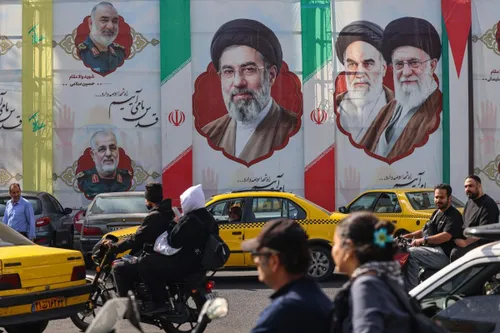
Iran warns a renewed war with the US could last longer as Donald Trump threatens further strikes, while diplomatic efforts to prevent another escalation remain uncertain.
Two women killed in N1 crash near Kranskop as highway closed
Two women have died and five people have been injured in a head-on collision involving four vehicles on the N1 near Kranskop, forcing the closure of the northbound carriageway.

Top Stories
CSOs urge judiciary to avoid another Imo-style embarrassment in Uzodimma’s Senate case

Spence 'very proud' to break WSL appearance record

Referee accidentally fractures college football player's leg
Freedom advocates urge Nigeria to grant Africans visa-free entry
Iran warns next war with US could be longer as Trump threatens further strikes
Two women killed in N1 crash near Kranskop as highway closed

AFFORDABLE HOUSING OP-ED: CT’s Tafelberg social housing units cut by Heritage assessment

Five teenagers stabbed at Halloween party
Latest
CSOs urge judiciary to avoid another Imo-style embarrassment in Uzodimma’s Senate case
Spence 'very proud' to break WSL appearance record
Referee accidentally fractures college football player's leg
Freedom advocates urge Nigeria to grant Africans visa-free entry
Iran warns next war with US could be longer as Trump threatens further strikes
Two women killed in N1 crash near Kranskop as highway closed
AFFORDABLE HOUSING OP-ED: CT’s Tafelberg social housing units cut by Heritage assessment
Five teenagers stabbed at Halloween party