Activist challenges Cape Town’s smash-and-grab strategy in Elsies River
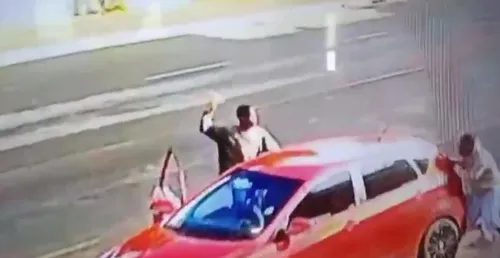
Brazen thieves attempt a smash-and-grab on Epping Avenue, highlighting the rising crime wave in Elsies River.
The City of Cape Town says smash-and-grab attacks have dropped from 96 to zero along a section of Van Riebeeck Road following a targeted operation, but an Elsies River community activist says motorists remain vulnerable at other crime hotspots.
Community activist Steve Ross says cameras and arrests have a role to play, but believes closer cooperation between the City, neighbourhood watches and community leaders could help prevent attacks before motorists become victims.
The City has clarified that the reported reduction applies only to the Epping Avenue and Van Riebeeck Road corridor, not the whole of Elsies River. Five suspects were arrested during the operation.
The debate highlights the challenges of tackling smash-and-grab crime on Cape Town roads, particularly in areas where motorists and residents remain concerned about safety.
Cape Town Mayor Geordin Hill-Lewis made the remarks in a broadcast interview recorded on 8 October.
“The amazing thing is we’ve gone from 96 smash-and-grabs on Van Riebeek Road to zero in the last couple of weeks since we did that,” he said.
“So it just shows that this investment in technology actually does work, and as you say, people reporting it does help so that we can build up those case files.”
The City’s Safety and Security Directorate later clarified that the mayor was referring to a specific operation and road corridor.
Louis Cason, speaking on behalf of the office of safety and security Mayco member JP Smith, said the operation had led to five arrests.
"The recording you are referencing was from the 8th of October and on the day, the Mayor was referencing a specific operation in a specific area that led to the arrest of 5 people," Cason said.
"You can clearly hear in the recording he says 'Van Riebeek Road'. At no point did he claim incidents dropped for the whole of Elsies, to be more specific he is referencing Epping Ave and Van Riebeek Road."
Cason also rejected suggestions that the City planned to keep drones permanently stationed in particular areas.
"At no point did the City claim there will be dedicated drone deployment to any area because that is not how a drone unit works," he said.
"It is a tool within a large tool box that works together to combat crime. They are not static like CCTV. They are used for pre-planned operations like the above one, they are deployed when required across the Metro for various threats."
Cason added that the Freeway Management Unit deployed drones "almost daily" to monitor highways across Cape Town for smash-and-grab incidents.
The City has also expanded its use of aerial technology through specialised units targeting gang crime and extortion.
Ross said his call was not for the City to abandon technology or enforcement, but to work more closely with community structures that could alert motorists and authorities to potential threats.
"It's a very challenging debate that we have. And it is not conflicting or competing with what the city is doing. I am asking for collaboration between the city and people on the ground—community leaders and neighbourhood watches," Ross said.
"Prevention has always been better than cure. To react is one thing, but to be proactive, that is awesome."
He said neighbourhood networks already used rapid alert systems to warn people about suspicious activity at known hotspots.
"We have warning systems. Where, when somebody suspicious is standing at a specific point, a known hotspot... we then get alerts from the public," Ross said.
"In many cases, about two minutes after the message went out, because the thugs also have phones with them, you'll see them walk away or they will disappear back into the homes. What has that done? It prevented the next person coming by from being hurt, mugged, or seriously involved in an accident."
Ross acknowledged the value of camera systems in identifying suspects after an incident, but questioned whether enough was being done to prevent attacks in the first place.
"I am not asking the city not to have cameras. I am not saying it is useless. I say it is only now being used as a reactive. So once somebody has done the deed, your face is scratched, your glasses have been ripped off, your necklace is gone, you are bleeding, they can get the camera and they can trace the person and arrest the person... But what about we then protect you before you come into that space?"
Ross has also proposed low-cost physical warning indicators to alert motorists entering areas he considers vulnerable to smash-and-grab attacks.
He suggested reflective bands of paint around traffic lights and streetlights on roads leading into Bishop Lavis and Elsies River, including routes used by people travelling from Cape Town International Airport.
"I proposed that all traffic lights, and even the streetlights before the traffic lights, have a reflective band of paint around it," Ross said.
"As you are coming down the road, especially at night... you then immediately know, 'I am heading into a danger zone... make sure my windows are closed, I keep my gap between the next vehicle, I am looking around all the time.”
Ross said closer cooperation between the City’s command centres and community networks was essential.
Related Topics
Keywords
Related Stories
Keisha Lance Bottoms wins Georgia race, becomes first Black woman elected governor of US
Nov 3 - Democrat Keisha Lance Bottoms won Georgia’s race for governor on Tuesday, becoming the first Black woman elected governor of a US state and delivering Democrats a victory in one of the nation's most closely divided political battlegrounds.

BOOK EXCERPT: Scorpio Rising — The latest thriller from SA’s master of crime fiction
From bestselling South African crime fiction author Deon Meyer comes a thriller that perilously entwines local and international threats.

Democrats gain ground in battle for Congress with North Carolina flip
WASHINGTON, Nov 3 (Reuters) - Democrats flipped a Republican-held Senate seat in North Carolina and were showing surprising strength across several Republican-leaning House districts in Florida on Tuesday, boosting hopes they could wrest control of Congress from President Donald…

Unsafe Hostels, Other Facilities: How UNIJOS fails students with disabilities
Students with disabilities at the University of Jos face barriers to independent living and learning due to inaccessible hostels and classrooms. The post Unsafe Hostels, Other Facilities: How UNIJOS fails students with disabilities appeared first on Premium Times Nigeria.

Top Stories
Keisha Lance Bottoms wins Georgia race, becomes first Black woman elected governor of US
BOOK EXCERPT: Scorpio Rising — The latest thriller from SA’s master of crime fiction
Democrats gain ground in battle for Congress with North Carolina flip
Unsafe Hostels, Other Facilities: How UNIJOS fails students with disabilities
Sardine fishing in South Africa on hold after mass mortality linked to virus
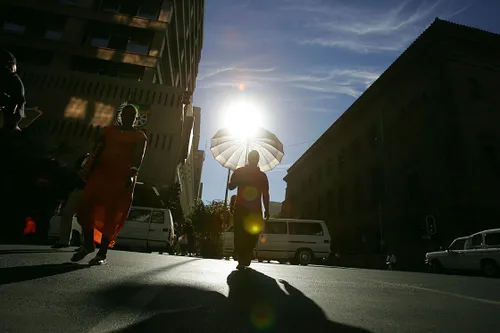
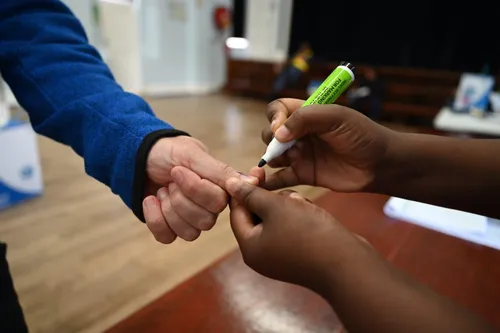
Election Day heat warning: Gauteng Health urges voters to take precautions against heatstroke
GRWM, OOTD and brunch: Fun ways to mark South Africa’s 2026 voting day

UCL Roundup: Usor bags assist as LASK win big, Man United stage stunning comeback

Latest
Keisha Lance Bottoms wins Georgia race, becomes first Black woman elected governor of US
BOOK EXCERPT: Scorpio Rising — The latest thriller from SA’s master of crime fiction
Democrats gain ground in battle for Congress with North Carolina flip
Unsafe Hostels, Other Facilities: How UNIJOS fails students with disabilities
Sardine fishing in South Africa on hold after mass mortality linked to virus
Election Day heat warning: Gauteng Health urges voters to take precautions against heatstroke
GRWM, OOTD and brunch: Fun ways to mark South Africa’s 2026 voting day
UCL Roundup: Usor bags assist as LASK win big, Man United stage stunning comeback