Election Day heat warning: Gauteng Health urges voters to take precautions against heatstroke
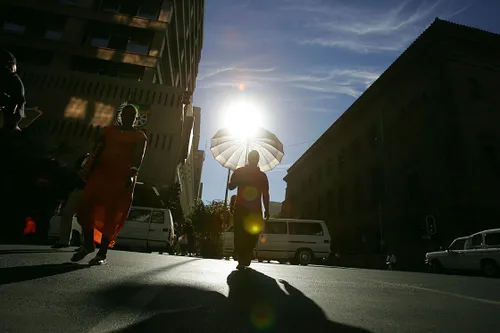
The Gauteng Department of Health has urged residents to stay hydrated and avoid prolonged exposure to direct sunlight as extreme heat threatens voters queuing at polling stations during the 2026 Local Government Elections.
The Gauteng Department of Health has issued an urgent warning to residents heading to voting stations for the 2026 Local Government Elections, cautioning that extreme heat could expose voters to dehydration, heatstroke and other potentially life-threatening health complications.
The department urged residents to take precautions as high temperatures associated with the El Niño weather phenomenon are expected to persist across the province.
The warning comes ahead of Wednesday's election, when thousands of voters are expected to spend extended periods outdoors, travelling to polling stations and standing in queues.
The department warned that prolonged exposure to high temperatures could place additional strain on the body, particularly among people with underlying medical conditions.
"With many residents expected to spend time outdoors, travel and queue at voting stations, prolonged exposure to high temperatures can increase the risk of dehydration, heat-related illnesses and other serious health complications," the department said.
According to the department, extreme heat can affect anyone, but certain groups face a heightened risk of serious complications.
These include babies, young children, older people, pregnant women and individuals living with chronic illnesses such as hypertension, diabetes, heart disease, asthma and kidney disease.
The department explained that El Niño, a natural climate phenomenon characterised by warmer-than-normal ocean temperatures in the Pacific Ocean, can contribute to hotter and drier conditions in South Africa.
"The Department cautions that excessive heat can place additional strain on the body and worsen existing medical conditions," it said.
"Some medications may also increase the risk of dehydration or affect the body's ability to regulate its temperature."
Residents taking chronic medication have been advised to continue their treatment as prescribed and ensure that medication is stored correctly, away from direct sunlight and excessive heat.
With voters expected to queue outdoors on Wednesday, health authorities have urged residents to remain hydrated throughout the day, even when they do not feel thirsty.
"Residents going out to cast their vote are encouraged to drink water regularly throughout the day, even when they do not feel thirsty," the department said.
"Carrying a bottle of water when travelling or waiting in queues is encouraged."
The department also advised residents to limit sugary drinks, alcohol and excessive caffeine, warning that these could contribute to dehydration.
People spending time outdoors should seek shade wherever possible, wear loose-fitting, lightweight and light-coloured clothing, and use sunscreen with a sun protection factor of at least 30.
Residents have also been encouraged to carry hats or umbrellas and avoid strenuous physical activities during the hottest periods of the day.
Outdoor workers and people who cannot avoid prolonged sun exposure have been urged to take regular breaks in shaded areas and drink water frequently.
The department has warned residents to familiarise themselves with the symptoms of dehydration and heat-related illnesses, stressing that failure to recognise warning signs could result in serious medical complications.
Common symptoms include headaches, dry mouth, unusual tiredness, dark-coloured urine, dizziness, nausea, difficulty concentrating and excessive sweating.
Anyone experiencing these symptoms should move to a cooler environment, drink water and seek medical assistance if symptoms persist.
However, the department warned that heatstroke is a medical emergency requiring immediate intervention.
"Of particular concern is heat stroke, which is a medical emergency requiring immediate medical attention," the department said.
"Warning signs include dizziness, confusion, a severe headache, hot and dry skin, fainting and a very high body temperature."
Residents have been urged to act immediately if someone displays signs of heatstroke.
"If someone displays these symptoms, move them to a cool place and seek immediate medical assistance or contact Gauteng Emergency Medical Services (EMS) on 112 from a cellphone or 10177."
The department said simple preventative measures could reduce the risk of avoidable medical emergencies as residents exercise their democratic right to vote.
"While residents exercise their democratic right to vote, the GDoH appeals to everyone to make their health and safety a priority," it said.
"Simple measures such as staying hydrated, seeking shade, wearing appropriate clothing and recognising the early warning signs of heat-related illness can help prevent avoidable health complications."
The department reiterated that residents should take particular care of vulnerable family members, especially those with chronic medical conditions, during the extreme heat.
Related Topics
Keywords
Related Stories
Keisha Lance Bottoms wins Georgia race, becomes first Black woman elected governor of US
Nov 3 - Democrat Keisha Lance Bottoms won Georgia’s race for governor on Tuesday, becoming the first Black woman elected governor of a US state and delivering Democrats a victory in one of the nation's most closely divided political battlegrounds.

BOOK EXCERPT: Scorpio Rising — The latest thriller from SA’s master of crime fiction
From bestselling South African crime fiction author Deon Meyer comes a thriller that perilously entwines local and international threats.

Democrats gain ground in battle for Congress with North Carolina flip
WASHINGTON, Nov 3 (Reuters) - Democrats flipped a Republican-held Senate seat in North Carolina and were showing surprising strength across several Republican-leaning House districts in Florida on Tuesday, boosting hopes they could wrest control of Congress from President Donald…
Unsafe Hostels, Other Facilities: How UNIJOS fails students with disabilities
Students with disabilities at the University of Jos face barriers to independent living and learning due to inaccessible hostels and classrooms. The post Unsafe Hostels, Other Facilities: How UNIJOS fails students with disabilities appeared first on Premium Times Nigeria.

Top Stories
Keisha Lance Bottoms wins Georgia race, becomes first Black woman elected governor of US
BOOK EXCERPT: Scorpio Rising — The latest thriller from SA’s master of crime fiction
Democrats gain ground in battle for Congress with North Carolina flip
Unsafe Hostels, Other Facilities: How UNIJOS fails students with disabilities
Sardine fishing in South Africa on hold after mass mortality linked to virus
Activist challenges Cape Town’s smash-and-grab strategy in Elsies River
GRWM, OOTD and brunch: Fun ways to mark South Africa’s 2026 voting day

UCL Roundup: Usor bags assist as LASK win big, Man United stage stunning comeback


Latest
Keisha Lance Bottoms wins Georgia race, becomes first Black woman elected governor of US
BOOK EXCERPT: Scorpio Rising — The latest thriller from SA’s master of crime fiction
Democrats gain ground in battle for Congress with North Carolina flip
Unsafe Hostels, Other Facilities: How UNIJOS fails students with disabilities
Sardine fishing in South Africa on hold after mass mortality linked to virus
Activist challenges Cape Town’s smash-and-grab strategy in Elsies River
GRWM, OOTD and brunch: Fun ways to mark South Africa’s 2026 voting day
UCL Roundup: Usor bags assist as LASK win big, Man United stage stunning comeback