CRUCIAL RULING OP-ED: Landmark victory for young children: Court recognises right to early childhood development
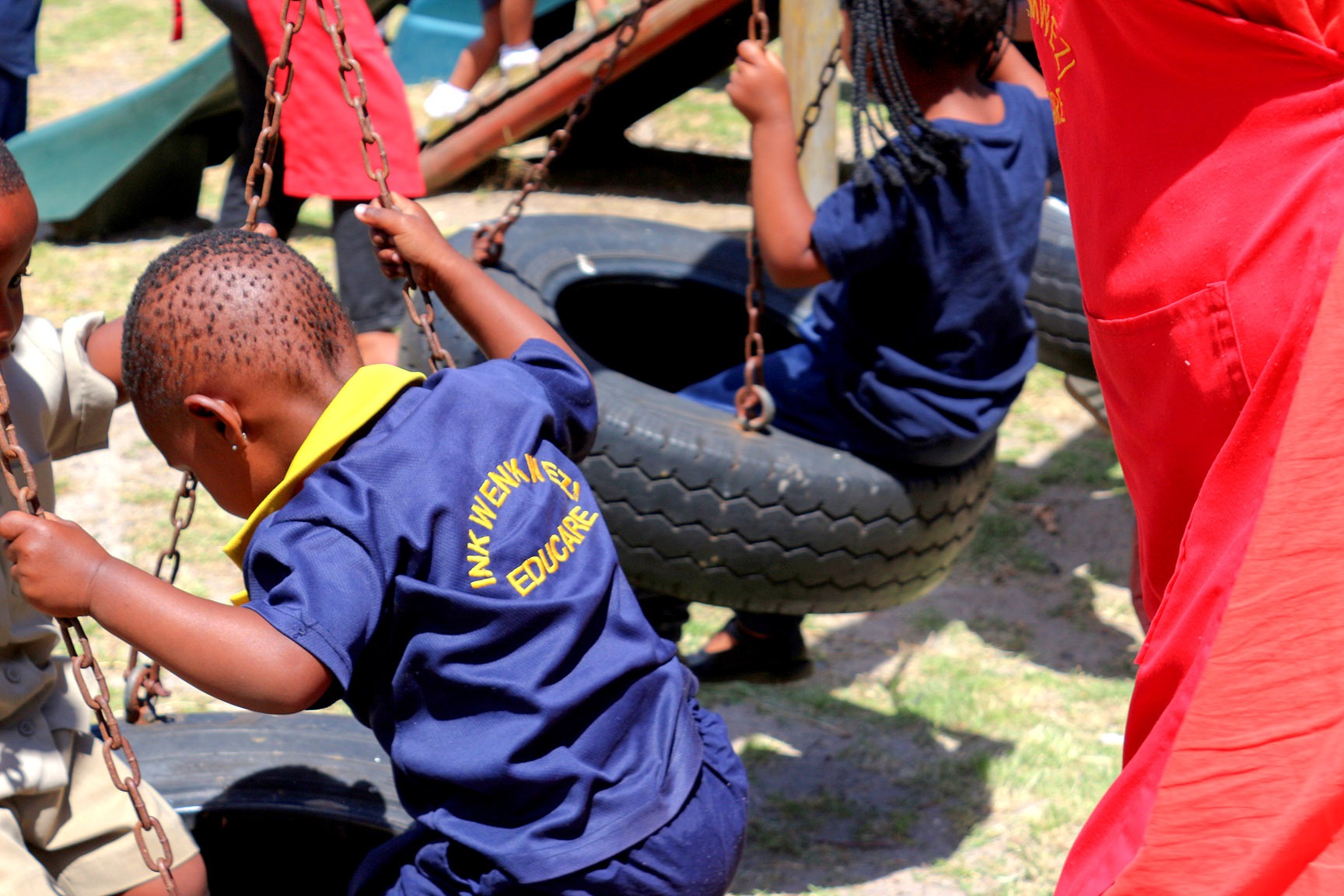
The high court has recognised the right to early childhood development and declared irregular and inconsistent payment of ECD subsidies unlawful and unconstitutional.
The case was brought by ECD organisations and three KwaZulu-Natal-based crèches to challenge the KwaZulu-Natal education department’s irregular, late and inconsistent payment of ECD subsidies to qualifying ECD centres – failures they argued violated children’s constitutional rights and the department’s legal obligations under the Constitution and the Children’s Act.
For years, ECD practitioners, communities and civil society organisations, and the Real Reform for ECD movement have argued that ECD is not a “nice-to-have”, or just a programme. It is a right.
On Tuesday, 23 June 2026, the High Court of South Africa, KwaZulu-Natal Division, Pietermaritzburg, agreed. The court declared and recognised that all children in South Africa have a right to early childhood development. It also declared that the KZN education department’s (KZNDoE) irregular and inconsistent subsidy payments to ECD centres are unlawful, unconstitutional and invalid, and infringe children’s right to ECD.
ECD centres are required to register in terms of the Children’s Act. Once registered, centres that care for young children from poor households qualify for a state subsidy. The current subsidy is R24 per child per day, with R9,60 allocated to nutrition. This is only a fraction of what it costs to provide a quality ECD programme and nutritious meals for young children. But for many ECD programmes, especially those serving poor communities, this government support is a critical lifeline.
Despite this, and despite the direct harm to young children when subsidies are delayed or withheld, the case before the high court revealed an alarming and long-running pattern of delayed and inconsistent subsidy payments from the KZNDoE.
When subsidies are not paid, ECD programmes and practitioners shoulder that burden: centres fall behind on rent, infrastructure, learning materials and basic necessities, while practitioners, most of them women who already earn below the minimum wage, sacrifice their own salaries, use personal funds, go into debt and make impossible choices just to keep children fed and their programmes open.
When subsidies are not paid, young children are affected during one of the most crucial developmental stages of their lives. The Children’s Institute explained in the court papers that early childhood is a critically sensitive period of rapid growth and development, when a child’s early environments, experiences and relationships shape brain architecture, health, wellbeing, learning, communication and future life outcomes. Supportive, nurturing environments can have lifelong benefits, while poverty, food insecurity, poor health, unresponsive caregiving and limited early learning opportunities can compromise development in ways that may be irreversible. This is why ECD is not simply preparation for school. It is the foundation for a child’s survival, development and ability to thrive.
We are grateful to the persistence of the applicants, Friends of South Africa Early Childhood Development, the KwaZulu-Natal ECD Alliance and three KZN-based crèches, supported by the Legal Resources Centre, for their resolve to hold the KZNDoE to account, and to the persistence of the ECD centres – Sakhokwethu, Phumelela and Zenzeleni, among the hundreds of centres represented in this case.
The Equality Collective also joined the matter as amicus curiae, or friend of the court, drawing on its long-standing work with the Real Reform for ECD movement to explain why the right to early childhood development is already reflected in South Africa’s constitutional framework. The right finds strong grounding in the rights to dignity, life and basic education, as well as children’s rights to basic nutrition, healthcare services and social services. Real Reform for ECD’s Right to ECD campaign brings these protections together under a single umbrella: the right to development where every child has the right to survive, develop and thrive.
The court has now recognised that right. It declared that all children have the right to early childhood development; that KZNDoE’s irregular and inconsistent payment of ECD subsidies is unlawful, unconstitutional and invalid and infringes that right; and that the KZNDoE must account to the court and the applicants for which centres are owed subsidies, how much is outstanding and how non-payment will be remedied.
The order also requires the KZNDoE to pay outstanding amounts owed to qualifying centres listed in its report, file updated reports every three months until payments are up to date and the order is fully complied with, and conclude proper subsidy agreements with qualifying ECD centres that clearly set out payment terms and timeframes.
To the KZNDoE, our call is clear: publicly acknowledge this court order, accept the seriousness of what it requires, and act with the urgency that young children deserve. This means doing everything within your power to remedy past failures, pay what is owed, conclude proper agreements with ECD centres, and build a subsidy payment system that is reliable, transparent and consistent.
ECD practitioners have carried the cost of state failure in KZN for too long. The court has now recognised that young children have a right to early childhood development. It is time for the government to honour that right in practice, and see it realised for every young child. DM
Tess Peacock is the director of the Equality Collective. Tshepo Mantjé is the Right to ECD senior coordinator at the Equality Collective and the Real Reform for ECD movement’s coordinator.