Eastern Cape prisons worst for overcrowding, at 84% over capacity, says Minister
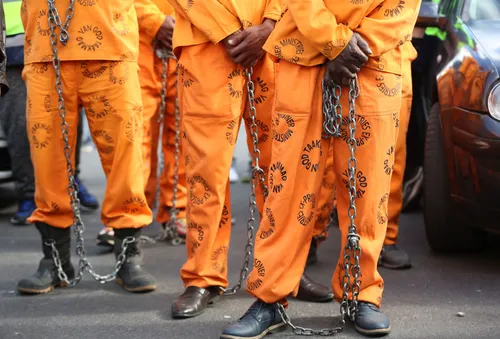
Government says overcrowding is driven by court backlogs, with prisons operating at 157% capacity nationwide as of May 2026.
Image: Bheki Radebe
The Minister of Correctional Services, Pieter Groenewald, said the Eastern Cape has the most overcrowded correctional facilities in South Africa, operating at 184% occupancy, as pressure on the country’s prison system continues to escalate amid longstanding concerns over overcrowding, infrastructure strain, and inmate safety.
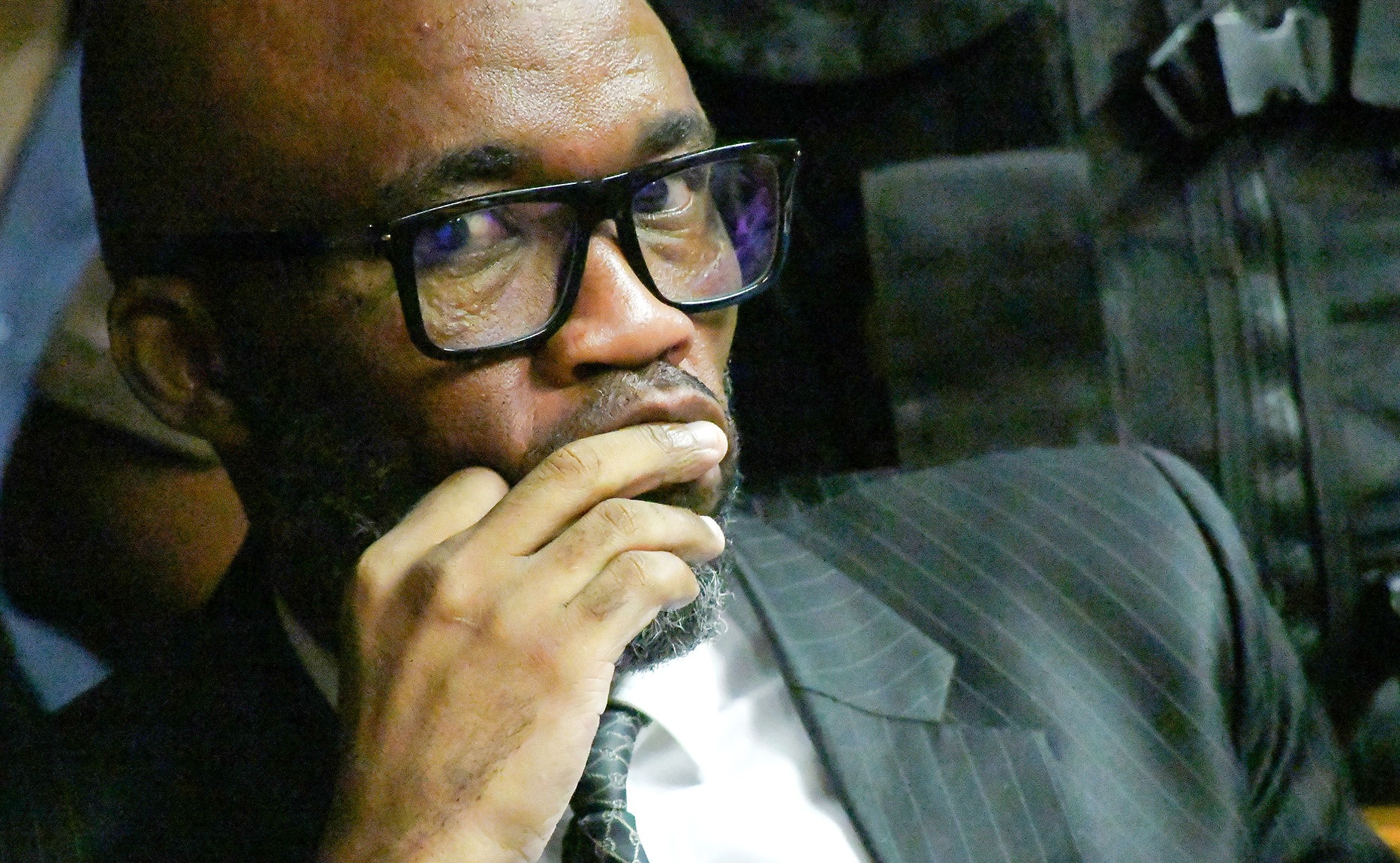
This comes after MK Party Member of Parliament (MP) Musawenkosi Gasa asked whether the Minister would provide him with a signed and dated report from the Judicial Inspectorate for Correctional Services (JICS) confirming that his definition of “stable” prison conditions matches the independent assessment of correctional facilities.
Gasa also asked whether conditions at correctional facilities had been misrepresented for political reasons, citing overcrowding levels of 168%, equivalent to 30,164 inmates versus 17,912 beds, and arguing that overcrowding contributes to unnatural deaths, gang violence, and human rights violations.
In response, Groenewald said the Judicial Inspectorate for Correctional Services “has not conducted infrastructure condition assessments of Correctional Centres in terms of the Government Immovable Asset Management Act (GIAMA),” adding that the Department of Public Works and Infrastructure carries out such assessments.
He further said the Department of Correctional Services is “not aware of the 168% capacity represented by 30,164 inmates versus 17,912 beds as referred to in the question.”
Instead, Groenewald provided official figures as at 10 May 2026, showing a national inmate population of 168,092 against 107,054 bedspaces, resulting in 157% occupancy and an overall overcrowding rate of 57%.
He said the Eastern Cape recorded 22,460 inmates against 12,205 beds (184%), Gauteng 39,620 inmates against 23,460 beds (169%), the Western Cape 30,164 inmates against 17,912 beds (168%), and KwaZulu-Natal 26,968 inmates against 17,549 beds (154%).
Limpopo, North West and Mpumalanga recorded 26,454 inmates against 17,709 beds (149%), while the Free State and Northern Cape had 22,426 inmates against 18,219 beds (123%).
The minister said the Correctional Services Act, 111 of 1998, as amended, incorporates human rights principles and seeks to align incarceration with the Bill of Rights through a “progressive approach to incarceration.”
Groenewald added that overcrowding in correctional facilities is driven largely by court backlogs and policing inflows, with the department relying on coordinated interventions within the Justice, Crime Prevention and Security (JCPS) Cluster.
He said a JCPS Overcrowding Reduction Sub-Committee has been established under the JCPS Development Committee, tasked with developing an “Integrated Multi-Sectoral Justice Cluster Strategy” to manage overcrowding.
The department continues to implement its Overcrowding Reduction Strategy, which aims to reduce pressure on facilities through coordinated measures, even where some of the underlying drivers fall outside the department’s control, said Groenewald.
This comes against the backdrop of persistent overcrowding challenges in South Africa’s correctional system, where prisons have for years operated above capacity, placing strain on infrastructure, officials and rehabilitation programmes, and raising ongoing concerns within Parliament and civil society about conditions inside correctional centres.
IOL Politics