Iran Bids Farewell to Ayatollah Ali Khamenei
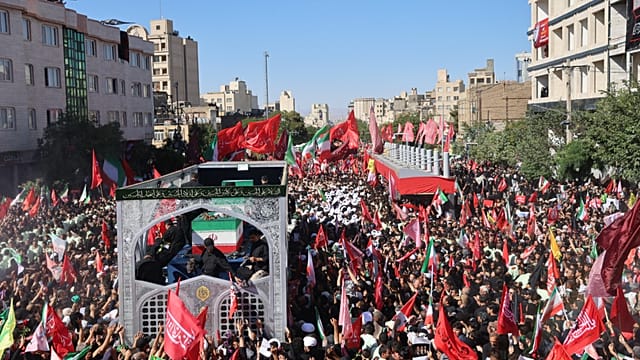
Iran has laid to rest its former Supreme Leader, Ayatollah Ali Khamenei, in a ceremony that drew huge crowds to the city of Mashhad. The burial, which took place at the Imam Reza shrine, marked the end of six days of public mourning that began on a Saturday and was scheduled to conclude on a Thursday.
The Imam Reza shrine, considered Iran's holiest Shia Muslim site, was the final resting place chosen for the 86-year-old former leader. This location holds significant importance, not only because of its religious stature but also because it is situated in Mashhad, which is noted as Khamenei's birthplace. The choice of location underscores the deep connection between Khamenei and the city, as well as the religious significance of the shrine.
Large crowds of mourners marched through the streets of Mashhad to pay their respects to the former Supreme Leader. The procession was a testament to the impact Khamenei had on the nation and its people. Authorities took extensive measures to accommodate the mourning, including the shutdown of streets and airspace, which significantly affected daily life in the area.
The mourning period, which lasted for six days, was a time of national reflection and grief. It provided an opportunity for the Iranian people to come together and honor the memory of their former leader. The scale of the mourning and the burial ceremony reflects the importance of Khamenei's role in Iranian society and politics.
The burial of Ayatollah Ali Khamenei occurs at a time of heightened tensions between Iran and the United States. However, details regarding any official responses from either side specifically concerning the funeral are not available. The international context of the event is complex, with various nations likely to be observing the situation closely.
As Iran moves forward following the burial of its former Supreme Leader, the country is expected to continue navigating its internal and external challenges. The period of mourning has come to an end, but its impact on the nation's political and social landscape may be felt for some time. The future direction of Iran under its new leadership will be closely watched by both domestic and international observers.
The burial at the Imam Reza shrine serves as a conclusion to the formal mourning period but also marks the beginning of a new chapter in Iran's history. The legacy of Ayatollah Ali Khamenei will continue to influence the country's path, as leaders and citizens alike look towards the future. The international community will be observing how Iran proceeds, especially in light of current geopolitical tensions.
In the days and weeks to come, Iran will likely be focused on consolidating its leadership and addressing both domestic and international challenges. The burial of Ayatollah Ali Khamenei is a significant event that concludes a period of national mourning but also opens a new era for the country. As the nation moves forward, it will be important to watch how different factions and international partners respond to the changing landscape in Iran.
Keywords
Related Stories
US Strikes Iran for a Second Night as Trump Declares the Ceasefire 'Over'
American forces hit some 90 targets across Iran in a second consecutive night of strikes after President Trump said the ceasefire was finished, and Tehran retaliated against US bases in Bahrain, Kuwait and Qatar.


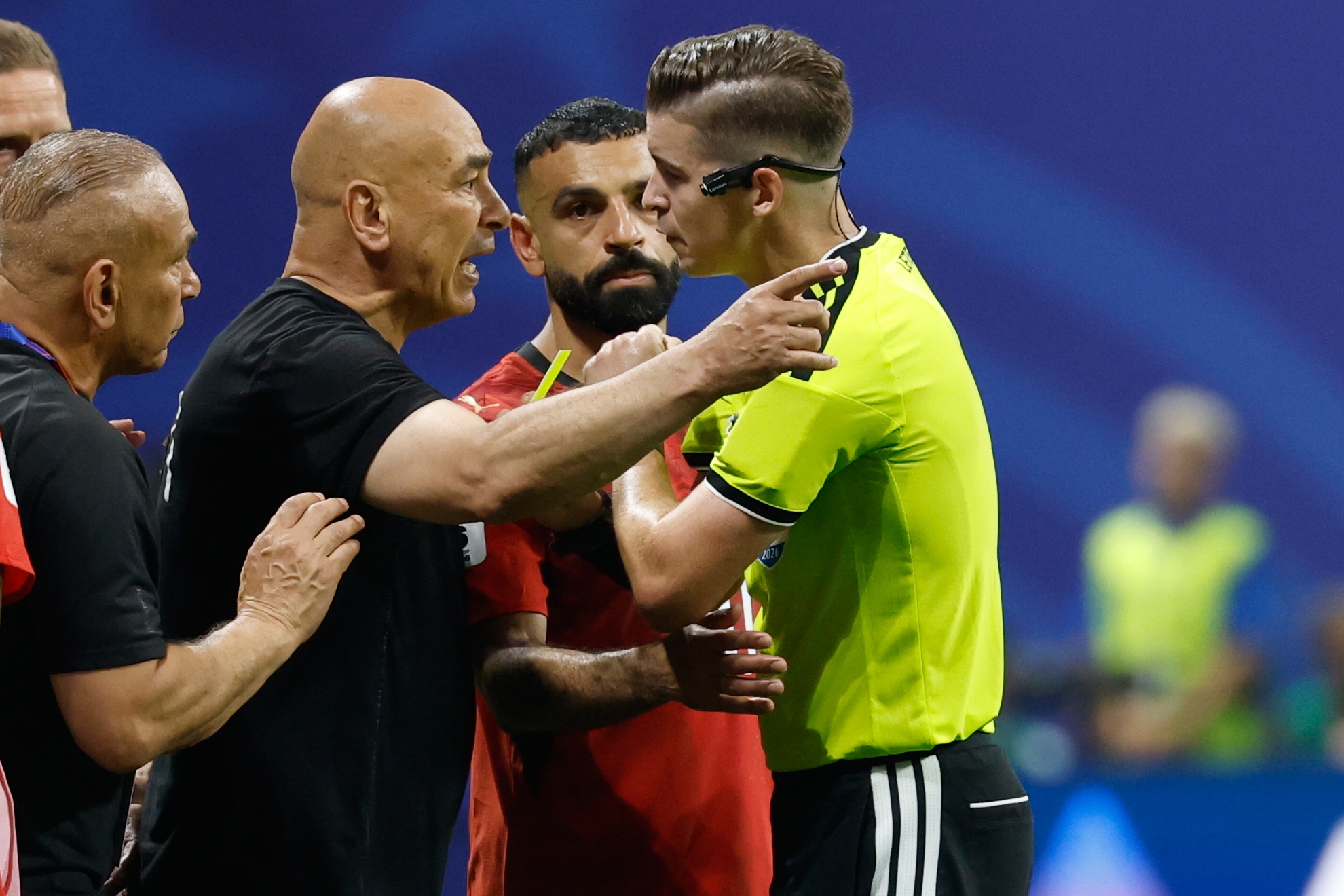
Egypt Protests Refereeing in World Cup Loss
Egypt files complaint over refereeing in World Cup loss.
U.S. Forces Strike Iranian Targets in Strait of Hormuz
U.S. Central Command conducted extensive air and naval operations against Iranian targets following attacks on commercial ships.
Top Stories

'My Lord' Stays: Uganda's Judiciary Rejects Bid to Retire Colonial Courtroom Rituals

Muchova Saves Match Point to Beat Gauff and Set Up an All-Czech Wimbledon Final

Djokovic Outlasts Auger-Aliassime in Wimbledon's Longest Ever Quarter-Final

Kenya's Saba Saba Toll Rises to 38 as Ruto Warns Police Will Shoot 'Looters'
US Strikes Iran for a Second Night as Trump Declares the Ceasefire 'Over'

Morocco's World Cup Ends in Boston as Mbappé's France Prove Too Strong
Iran Bids Farewell to Ayatollah Ali Khamenei

France Advances to World Cup Semis
Latest
'My Lord' Stays: Uganda's Judiciary Rejects Bid to Retire Colonial Courtroom Rituals
Muchova Saves Match Point to Beat Gauff and Set Up an All-Czech Wimbledon Final
Djokovic Outlasts Auger-Aliassime in Wimbledon's Longest Ever Quarter-Final
Kenya's Saba Saba Toll Rises to 38 as Ruto Warns Police Will Shoot 'Looters'
US Strikes Iran for a Second Night as Trump Declares the Ceasefire 'Over'
Morocco's World Cup Ends in Boston as Mbappé's France Prove Too Strong
Iran Bids Farewell to Ayatollah Ali Khamenei
France Advances to World Cup Semis