NGF advocates coordinated data-driven solutions to bridge rice production deficit

The Nigeria Governors’ Forum (NGF) has called for a coordinated, data-driven approach to bridge Nigeria’s rice production deficit and boost national food security.
Join the Premium Times WhatsApp Community For Quick Access To News and Happenings Around You.
The NGF Director-General, Abdulateef Shittu, made the call in Abuja on Wednesday at the unveiling of the “North-West Region Regional Rice Sector Diagnostic Report”.
The report was produced by the State Agribusiness Investment Programme through the NGF Rice Helpdesk, supported by the Gates Foundation.
Mr Shittu said available data indicates that Nigeria consumes approximately 8.6 million metric tons of rice annually, a figure projected to reach 9.1 million by 2027, against domestic production of 3.3 million metric tons.
He attributed the deficit to policy flip-flops, poor budgeting, and a lack of accurate data, adding that data is central to the sector’s development; data is central to everything. A friend of mine said data is the next oil. It is the oxygen that drives and propels development,” Mr Shittu said.
He advised Nigeria to draw lessons from international models such as China’s agricultural self-sufficiency drive, saying that Nigeria has the potential to supply global markets.
“There is no reason why Nigeria cannot be a net exporter of rice to African countries and even parts of Europe. We have the land and the resources; we just need to coordinate our efforts,” he added.
Stay Ahead with Premium Times
Follow us on Google News and never miss breaking stories, investigations, and in-depth reporting.
Mr Shittu noted that the NGF Helpdesk has set up a dedicated data department and was encouraging every state to establish its own Bureau of Statistics, alongside partnerships with institutions such as the International Institute of Tropical Agriculture.
Also speaking, the Managing Director of the Bank of Agriculture (BOA), Ayodeji Sotinrin, said the bank targeted financing 700,000 farmers in the 2026 wet season, up from 500,000 in 2025, while shifting away from direct cash distribution.
“We have stopped giving direct cash microcredits to farmers to eliminate non-performing loans and prevent defaults,” Mr Sotinrin said.
On mechanisation, Mr Sotinrin said BOA had invested nearly one billion dollars in tractorisation to bridge the national equipment deficit.
“We are expecting 4,000 high-capacity tractors that will allow us to mechanise at least 2.4 million hectares of farmland.
“These will not be handed out to politically connected individuals but deployed through service providers,” he assured.
On his part, the Director-General of the Rice Processors Association of Nigeria, Andy Ekwelem, cited poor farmer identification, fake inputs, high energy costs, and rural insecurity as major challenges for commercial millers in the North-West states.
Dr Ekwelem urged federal and state authorities to deploy verified farmer registers, supply certified seeds and fertilisers, undertake soil testing, and secure major agrarian corridors, particularly in Kaduna, Katsina, Zamfara, and Sokoto states.
He also called for government interventions on operational overheads, warning that domestic processors cannot compete favourably against imports backed by decades of state subsidies.
ALSO READ: State Police should protect citizens’ rights, aligned with federalism – NGF
The representative of the Alliance for a Green Revolution in Africa, Phillip Obosi, cautioned that regulatory inconsistency risks stifling private capital.
Mr Obosi noted that Nigeria’s projected 2026 rice imports of 2.9 million metric tonnes (1.4 billion dollars) represent a massive drain on foreign reserves that domestic production could easily conserve.
He urged governments to translate the report’s recommendations into budgetary allocations and actionable field programmes for input dealers, smallholders, and mechanisation providers.
(NAN)
Share this:
Discover more from Premium Times Nigeria
Subscribe to get the latest posts sent to your email.
Type your email…
Subscribe
Samuel Chukwueze undergoes surgery, ruled out of Super Eagles AFCON Qualifiers
2027: Police arrest suspect over attack on Peter Obi’s convoy
Agency Report
More News
Abducted Plateau varsity student freed
Obasanjo’s son joins PBat Door-to-Door Movement, backs Tinubu for 2027
NNPC ex-director launches book on failure of family businesses
US seeks stronger trade ties with Nigeria
EFCC, Australian police sign MoU to tackle cybercrime
CJN Kekere-Ekun to chair presentation of SAN’s six books
Related Topics
Keywords
Related Stories
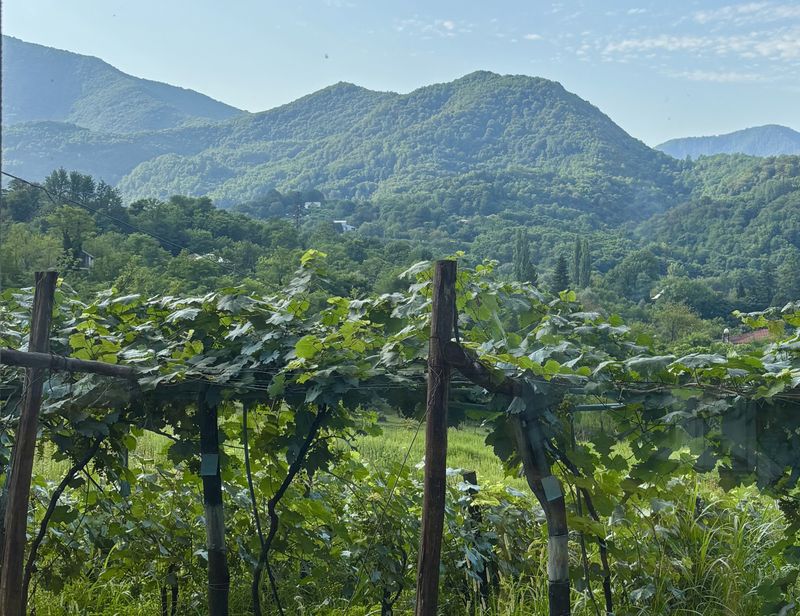
ORIGIN STORY: Georgia’s wines take you on a wild but enjoyable ride
As with anything you should start at the beginning. And Georgia’s long history of wine – it was invented here, 8,000 years ago – is as rich and complex as they come, a whole universe to unpack.
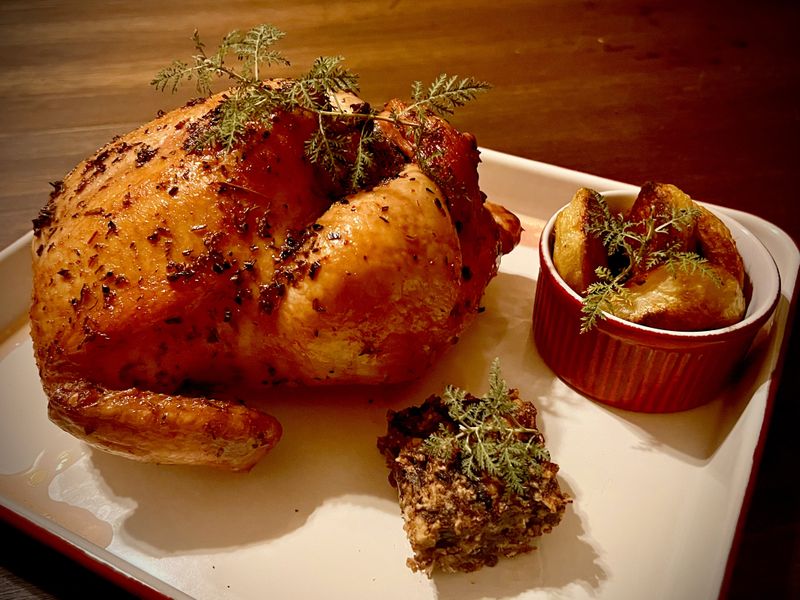
WHAT’S COOKING: Roast chicken with a walnut and date stuffing
Here’s a recipe first published in 2022, delivered to you again while your Food Editor is on leave. A stuffing of walnuts and dates with fynbos herbs makes this fresh way with a roast chicken a class act worth sharing with friends at the dinner table.
Osun govt warns Oluwo over alleged ‘inflammatory’ remarks, fears religious, communal conflicts
The Osun State Government directed the Oluwo to refrain from public statements capable of triggering religious and inter-town conflicts. The post Osun govt warns Oluwo over alleged ‘inflammatory’ remarks, fears religious, communal conflicts appeared first on Premium Times…

Man shot dead outside Bushbuckridge voting station
Police are investigating a case of murder after a fatal shooting outside a voting station in MP

Top Stories
ORIGIN STORY: Georgia’s wines take you on a wild but enjoyable ride
WHAT’S COOKING: Roast chicken with a walnut and date stuffing
Osun govt warns Oluwo over alleged ‘inflammatory’ remarks, fears religious, communal conflicts

Career-best Wembanyama display seals Spurs win
Man shot dead outside Bushbuckridge voting station

England captain Kane signs new Bayern contract

Tomi Falade leads Nigerian writers to 2026 Helsinki Book Fair
Water, electricity failures dominate voters’ concerns across South Africa
Latest
ORIGIN STORY: Georgia’s wines take you on a wild but enjoyable ride
WHAT’S COOKING: Roast chicken with a walnut and date stuffing
Osun govt warns Oluwo over alleged ‘inflammatory’ remarks, fears religious, communal conflicts
Career-best Wembanyama display seals Spurs win
Man shot dead outside Bushbuckridge voting station
England captain Kane signs new Bayern contract
Tomi Falade leads Nigerian writers to 2026 Helsinki Book Fair
Water, electricity failures dominate voters’ concerns across South Africa