Rescued Cape Gannet's release highlights growing threats to seabirds
Nature
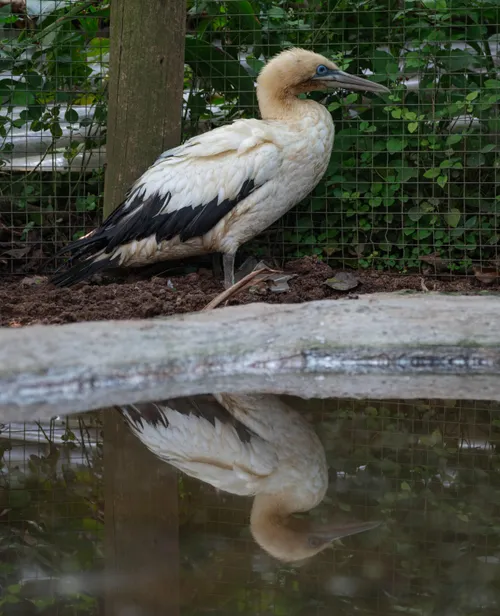
The rescued Cape Gannet who has been released back into the wild.
Image: Supplied
SEABIRDS are suffering.
Almost six weeks after a Cape Gannet was found stranded on a beach in KZN and taken to the Centre for Rehabilitation of Wildlife (CROW) for treatment, it was released on Monday with the help of the NSRI.
CROW’s Denika Govender said the bird was found on a beach in April by a member of the public and taken to the Ballito Veterinary Hospital, which then contacted the centre.
“Upon admission, it weighed only 1.5 kg, which is significantly underweight for an adult Cape Gannet, as the normal weight range is between 2.6 kg and 3 kg. During the initial examination, our veterinary team identified muscle damage to the left wing, which caused the wing to appear loose. The bird was also showing signs of malnutrition due to its low body weight,” she said.
The seabird was treated with anti-inflammatory and antibiotic medication and its diet was carefully managed to help it regain weight and strength.
Govender said the Cape Gannet showed significant improvement throughout its treatment and its weight increased steadily until it was able to feed independently and its waterproofing returned to normal. This indicated that it was fit and ready to be released back into its natural environment.
She said that releasing the Cape Gannet offshore was essential because the species spends the majority of its life at sea and is highly adapted to marine environments.
“Healthy Cape Gannets are rarely found on shore unless they are foraging, resting briefly or experiencing distress. The NSRI played a crucial role in the release by transporting the bird offshore via boat, allowing it to be released directly into suitable habitat and giving it the best possible chance of successfully reintegrating into the wild where it belongs.”
However, Govender said CROW is treating an increasing number of seabirds that arrive weak, underweight and compromised. Over the last 12 months, five Cape Gannets were admitted to the centre.
She said malnutrition, injuries sustained while diving for food, entanglement in fishing line and other marine debris, and injuries caused by natural predators such as sharks and seals are among the most common reasons they end up at CROW.
“CROW has seen an increase in the number of seabirds arriving weak, underweight and compromised. This trend may be linked to a combination of factors, including climate change, changes in ocean conditions, reduced food availability and increased fishing, all of which can affect the ability of seabirds to find sufficient food,” said Govender.
Among the biggest threats facing seabirds along the South African coastline are marine pollution, plastic waste, entanglement in fishing gear, overfishing of prey species, habitat degradation and the impacts of climate change on ocean ecosystems and food availability, she said.
Yesterday, Etienne van Zyl, the NSRI’s Durban station commander, said that on Monday its rescue craft, Spirit of Surfski 6, was launched accompanied by a CROW team, three international volunteers and the Cape Gannet that had been rehabilitated for release at sea.
He said CROW approached NSRI Durban for assistance with the release.
“In a successful operation, the rehabilitated and healthy Cape Gannet was released from our rescue craft at sea, half a nautical mile offshore of Durban. It was monitored for a while as it waded and exercised its wings before we returned to our NSRI Durban Station 5 rescue base.”
CROW has called on members of the public to contact the centre immediately if they come across an injured, stranded or distressed seabird on the beach.