Senegal lawmakers pass reform curbing presidential powers

Senegal's National Assembly has adopted a divisive constitutional reform that reduces the powers of the presidency and strengthens parliament, a change the government says will be put to a referendum.
The amendment, passed on 29 June, expands the role of the legislature — including requiring the government to inform parliament of agreements on natural-resource exploitation and broadening the powers of parliamentary inquiry committees. It also makes the roles of head of state and party leader incompatible, tightens controls on the president's ability to dissolve the assembly, and proposes replacing the Constitutional Council with a nine-member Constitutional Court.
The reform comes amid rising tension between President Bassirou Diomaye Faye and his former prime minister, Ousmane Sonko, who was dismissed and then elected president of the National Assembly. Critics view the initiative, driven by Sonko's Pastef party, as political payback by a figure who retains significant sway over the parliamentary majority.
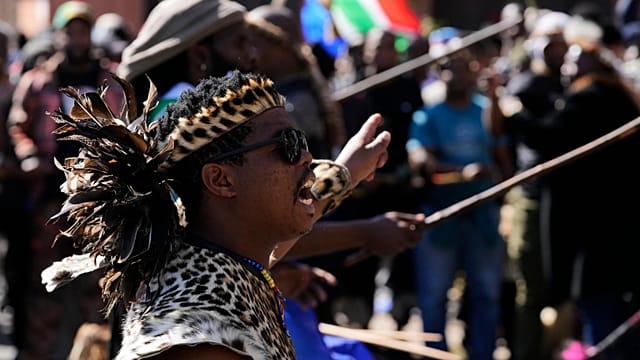
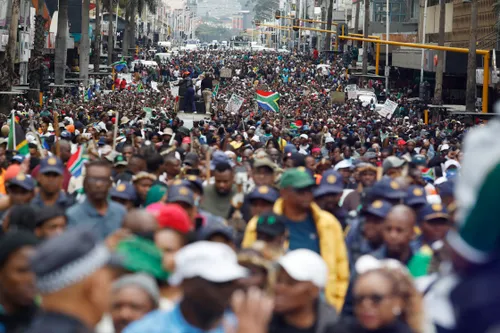
The vote drew protests. Demonstrators gathered outside parliament chanting "Hands off my Constitution," and police fired tear gas and detained several opposition leaders and activists.
Senegal has long been seen as one of West Africa's more stable democracies, and the standoff over the reform has become an early test of the balance of power between Faye and Sonko, once close allies now locked in a public struggle for influence.