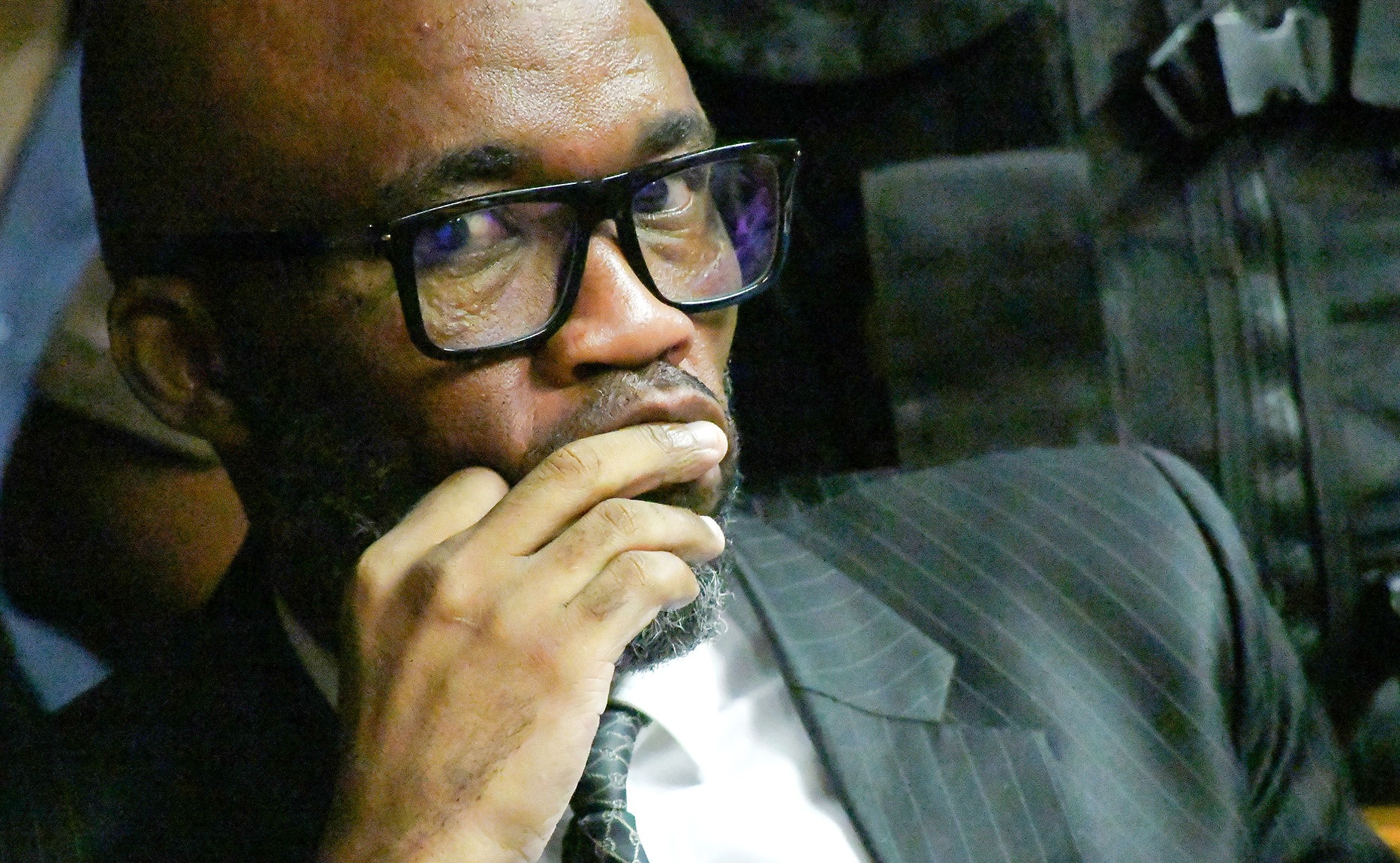
South Africa's ageing water infrastructure puts municipalities under mounting pressure
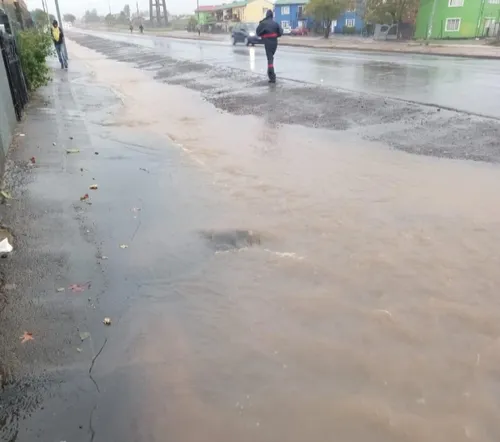
lnfrastructure delivery matters so deeply to the broader economy. It is not simply about engineering performance. It is about enabling growth.
Image: Supplied
South Africa’s municipal water systems are under more pressure than ever.
Ageing infrastructure, constrained budgets, procurement complexity and critical skills shortages continue to place immense pressure on municipalities across South Africa.
When essential water and wastewater systems cannot perform as required, the impact is felt directly by communities, businesses, and local economies, Sizwe Amanzi says.
The water and wastewater systems provider says it partners with municipalities and public-sector entities to provide the operational capacity needed to restore stability, improve performance, and maintain compliance. “Through structured and accountable service agreements, we help turn around high-risk systems, support long-term operational sustainability, and ensure that critical infrastructure continues to serve the communities that depend on it.”
Recovery cannot be theoretical
The company says recovery cannot be theoretical. It adds that the recovery needs to be rapid, measurable and defensible.
That is where experienced operators, proven processes and clear accountability make the difference, the company adds.
Driving large-scale water security
Meanwhile, uMngeni-uThukela Water says the Lower uMkhomazi Bulk Water Supply Scheme is driving large-scale water security and sustainable development across KwaZulu-Natal.
The Lower uMkhomazi Bulk Water Supply Scheme, including the Ngwadini Dam and Goodenough Abstraction Works, is said to be a transformative infrastructure project aimed at improving water supply to communities in eThekwini Metropolitan Municipality and Ugu District Municipality.
Project Key Highlights: 100ML/day bulk water supply capacity Benefiting approximately 50 000 households Estimated investment of R4.3 billion (Phase 1 650 jobs created, supporting local economic growth
The Ngwadini Dam is said to be progressing steadily
The Goodenough Abstraction Works is said to be nearing completion Strengthening water security for eThekwini and Ugu regions.
“At uMngeni-uThukela Water, we're committed to Improving Quality of Life and Enhancing Sustainable Economic Development in KwaZulu-Natal.”
Earlier this month, Roelof van den Berg, CEO of the Gap Infrastructure Corporation (GIC) said a large-scale, nationwide redevelopment of wastewater systems will necessitate a multi-year commitment involving experts from across industries, with assistance from both public and private stakeholders.
As such, public-private partnerships (PPPs) are best suited to address the need for advanced expertise at scale.
He said said PPPs strengthen municipal delivery by introducing experienced operators with deep technical capacity, proven systems refined through sustained private investment, and funding structures designed for long-term performance.
Meanwhile, he added that infrastructure remains publicly owned, benefiting from public input and leadership throughout the project lifecycle.
At the time, he says as demands on wastewater infrastructure intensify, delivery partnerships will become increasingly important.
“The challenge will not be whether wastewater systems should be upgraded, but how to do so efficiently, affordably, and at the scale required to match the growth experienced in South Africa’s communities, towns, and cities.”
According to GIC, recent advances in wastewater technology are expanding water recycling beyond conventional treatment models.
It says innovations such as advanced membrane filtration and hybrid systems now remove a wider range of contaminants with greater energy efficiency and lower chemical use, allowing treated effluent to be reused for industrial and agricultural purposes, and in some cases even potable supply.
The company says wastewater infrastructure is particularly well-suited to private sector participation where funding is concerned, providing long time horizons and surety, which attracts private capital.
It says where delivery frameworks and governance are clearly defined, private capital can be mobilised in partnership with public stakeholders in a sustainable and optimised way.
Infrastructure is more than a construction project
Infrastructure is more than a construction project, says Andries Schoeman, the CEO at V3 Consulting Engineers.
He says it is a platform for economic activity.
“Roads connect producers to markets. Water systems support agriculture and industry. Public infrastructure enables businesses to operate and communities to function.”
When delivery slows, the engineering company says the effects ripple far beyond the project itself.
“This is why infrastructure delivery matters so deeply to the broader economy.It is not simply about engineering performance. It is about enabling growth.”
South Africa has the professionals, the knowledge and the experience needed to build world-class infrastructure, the CEO says.
According to Schoeman, the question is not whether the country has the skill. He says the question is whether the country’s systems allow that skill to be applied effectively.
“If the built environment can continue strengthening collaboration between sectors, improving coordination and maintaining a strong focus on delivery, the country’s infrastructure potential remains significant.”
“Because when South Africa’s capability and execution move in the same direction, progress tends to follow,” Schoeman says.
Independent Media Property
Related Topics: