South Africa Sees Nationwide Anti-Migrant Protests

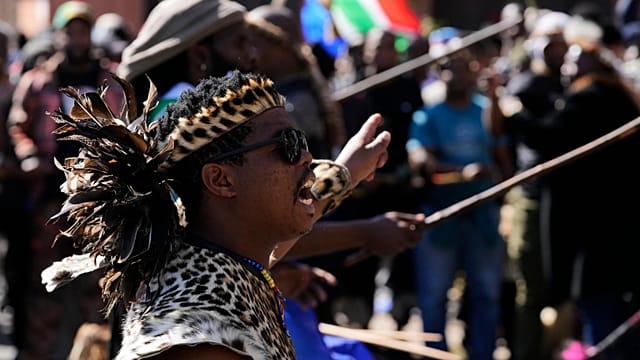
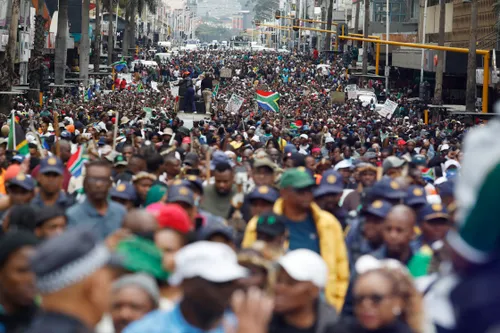
Thousands of people marched across South Africa to demand the departure of undocumented foreign nationals, following a weeks-long campaign that has sent thousands fleeing and resulted in the loss of lives. The protests, which took place nationwide, were met with a heavy police presence in an effort to maintain order and prevent violence.
According to reports, thousands of foreigners had already left South Africa ahead of the unofficial June 30 deadline set by anti-migrant groups. This exodus was likely driven by fears of violence and intimidation, as many foreigners felt compelled to leave their homes and livelihoods behind. The deadline, which was not officially sanctioned by the government, was seen as a catalyst for the protests that took place on Tuesday.
The protests were marked by a significant police presence, with officers deployed across the country to forestall unrest and maintain public safety. Despite these efforts, there were reports of violence and intimidation, with at least four lives lost in the preceding weeks. The government had urged calm and restraint, but the situation remained tense as protesters demanded that undocumented migrants leave the country.
The background to these protests is complex, with many South Africans expressing concerns about the economic and social impact of undocumented migration. However, the methods used by anti-migrant groups have been widely criticized, with many arguing that they are inflammatory and divisive. The government has faced pressure to address the issue of undocumented migration, but it must also balance this with the need to protect the rights and safety of all individuals, regardless of their immigration status.
As the situation continues to unfold, it is clear that the issue of undocumented migration in South Africa is a deeply contentious and emotive one. While some argue that migrants are a drain on the country's resources, others point out that they make significant contributions to the economy and society. The government must navigate this complex debate, working to find a solution that addresses the concerns of all parties while also upholding the principles of human rights and dignity.