Calls intensify for a Maternal Support Grant as budget window opens
Health
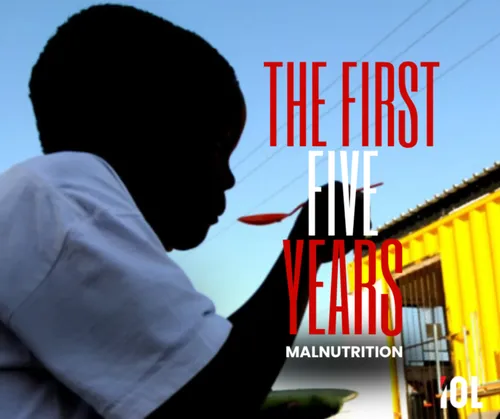
South Africa faces a triple burden of child malnutrition: undernutrition (stunting), micronutrient deficiencies and being overweight.
Image: File pic.
A COALITION of health, child welfare and anti-poverty organisations is urging the government to fund a proposed Maternal Support Grant (MSG), arguing that supporting women during pregnancy could play an important role in South Africa's mission to end childhood stunting.
The call comes ahead of a key budget planning deadline on Friday, when government departments submit funding priorities for consideration in the Medium-Term Budget Policy Statement later this year.
The appeal is being led by the MSG Advocacy Coalition, a collective of non-governmental organisations and researchers that includes Embrace, the Children's Institute, DG Murray Trust, Ilifa Labantwana, Grow Great, Hold My Hand, Amandla.mobi, the Legal Resources Centre, the Institute for Economic Justice and researchers from the South African Medical Research Council (SAMRC).
The coalition argues that pregnancy is a critical gap in South Africa's social protection system, particularly for women living in poverty who are unemployed, informally employed or excluded from maternity benefits through the Unemployment Insurance Fund.
Unlike the Child Support Grant, which is paid after a child is born, the proposed Maternal Support Grant would provide financial assistance during pregnancy.
Although the grant has not yet been adopted as government policy, the Department of Social Development has been exploring the evidence and potential economic benefits of the proposal since 2012.
The proposal gained renewed attention after President Cyril Ramaphosa announced a mission to end stunting in February.
According to the coalition, Ramaphosa acknowledged the need for targeted support for pregnant women, including ensuring access to sufficient nutritious food, especially protein, to support healthy pregnancies. He also highlighted the importance of building on existing social protection systems such as the Child Support Grant.
Advocates say the Maternal Support Grant would function as a "backwards extension" of the Child Support Grant, with eligibility beginning from a woman's first antenatal clinic visit.
Wanga Zembe, a chief specialist scientist at the SAMRC, said international evidence shows that income support during pregnancy can improve nutrition, increase attendance at antenatal appointments and lead to healthier birth outcomes.
"Systematic reviews show that when pregnant women receive income support, they are more likely to eat better, attend antenatal clinic visits, and give birth to healthier babies. This reduces low birth weight, improves early childhood development, maternal mental health and saves lives," she said.
"If we are serious about ending stunting, we must start where it begins, during pregnancy."
The coalition says approximately 13% of babies in South Africa are born with a low birth weight, which it describes as one of the strongest predictors of childhood stunting.
Julie Mentor, project lead at Embrace, said the grant would help address a gap in maternity protection for women who are unemployed, informally employed or excluded from Unemployment Insurance Fund maternity benefits.
"The MSG addresses a specific maternity protection gap faced by women who are unemployed, informally employed or otherwise excluded from the Unemployment Insurance Fund maternity benefit and formal employment protections," she said.
"For many women, this means trying to carry a pregnancy without any reliable income — stretching food, skipping meals or delaying essential care."
Supporters of the grant estimate it would cost approximately R2 billion annually.
The coalition says healthier pregnancies and improved birth outcomes could save the public health system up to R13.8 billion a year. It also cites modelling suggesting that every R1 invested in the grant could generate approximately R30 in social benefits, primarily through preventing premature deaths and reducing healthcare costs.
Liezel Engelbrecht, nutrition lead for the Hold My Hand Accelerator, said the grant differs from broader discussions around income support because it is targeted, time-bound and focused on pregnancy.
"The MSG's primary purpose is not general income support but the protection of maternal and child health during a critical developmental window — pregnancy," she said.
The coalition argues that the temporary nature of the grant would make it fiscally manageable. The proposed support would be limited to pregnancy and the immediate postnatal period.
Advocates also contend that implementation would be relatively straightforward because the grant could be administered through existing health and social protection systems, with pregnancy verification taking place through routine antenatal care.
"The window to shape the next three years of spending is now open," Engelbrecht said. "Securing funding for the MSG is an important step in strengthening South Africa's social protection system and improving outcomes for mothers and children."