No more rice grains in Kellogg's Rice Krispies due to changing weather

Breakfast cereal giant Kellogg's has stopped using rice grains in Rice Krispies and Coco Pops in the UK due to "changing weather conditions" that have disrupted supplies.
Corn flour and rice flour are being used instead, a Kellogg's spokesperson said on Tuesday, adding that the updated recipes have been "carefully assessed" and the firm has taken customer feedback into consideration.
Those ingredients are replacing rice grains as crops have been hit by dry weather in key producing countries in Asia, reducing harvests and driving up prices.
The new recipes mean cereal packaging will now include a "contains wheat gluten" warning.
Rice Krispies products in the US and Canada will continue to be made with real rice with no changes to their recipes expected, a spokesperson for Kellogg's North American business told the BBC.
The recipe change in the UK will help "maintain consistent quality at a time when changing weather conditions are affecting the quality and availability of some of the rice and grains used in our cereals," a Kellogg's spokesperson told the BBC.
"We appreciate that even small changes to a much-loved product can feel noticeable and that's why we have approached this with a lot of care and consideration."
The company also said that Rice Krispies and Coco Pops will continue to meet UK food standards on levels of fat, salt and sugar in food.
The cereals also contain no artificial colours, flavours or sweeteners and the nutritional benefits in each bowl, such as fibre, Vitamin D and iron are staying the same, the spokesperson added.
Watch: How does El Niño affect world weather?
- Published21 August
Watch: How does El Niño affect world weather?
The Kellogg company separated into two distinct firms in 2023.
The largest is Kellanova, which focuses on snacks, cereals, noodles and other food products like Eggo, Pringles and Pop-Tarts sold globally. It is now owned by Mars, which makes confectionery and pet food.
The other business, WK Kellogg's, operates in North America and has since been taken over by Italian chocolate giant Ferrero.
Most of the world's rice comes from Asia, many parts of which has been impacted by droughts, floods and heatwaves due to the El Niño weather phenomenon.
The weather event is expected to severely impact crop production from South East Asia in particular. The region produces more than a quarter of the world's rice.
The World Meteorological Agency expects the record-breaking El Niño will last until at least 2027.
Related topics
Five ways El Niño is affecting the weather around the world
- Published20 October

Five ways El Niño is affecting the weather around the world
Are breakfast cereals really good for us?

Are breakfast cereals really good for us?
Related Topics
Keywords
Related Stories
Canva announces major job cuts after 'our hardest year yet'
CEO Melanie Perkins says more than 1,000 staff will either lose their jobs or be asked to change roles.

Graduates are managing AI - but are they learning much else?
Graduates are spending more time managing AI, but are they missing out on other work experience?

Poundland supplier 'will lose millions' if retailer collapses
One of Poundland's suppliers will lose millions if it collapses, while other suppliers have said they would go under.

Keeping mortgage interest relief approved
Homeowners can get tax relief of £3,500 on the money spent on the interstate of a mortgage.

Top Stories

Keisha Lance Bottoms wins Georgia race, becomes first Black woman elected governor of US

BOOK EXCERPT: Scorpio Rising — The latest thriller from SA’s master of crime fiction

Democrats gain ground in battle for Congress with North Carolina flip

Unsafe Hostels, Other Facilities: How UNIJOS fails students with disabilities
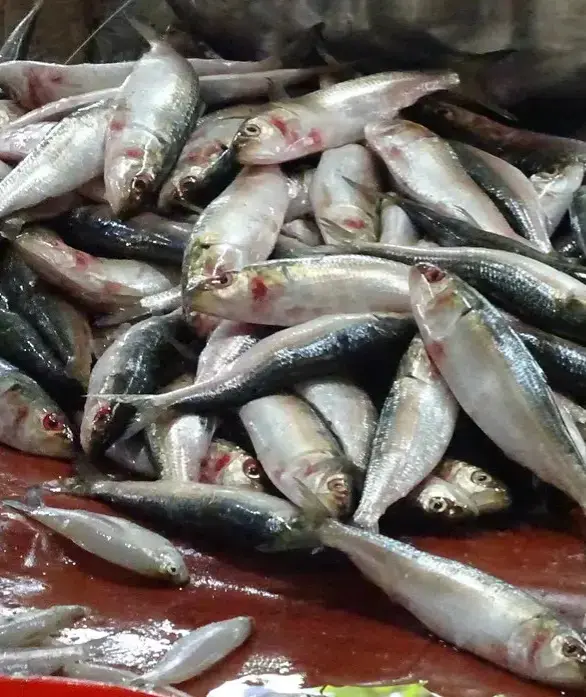
Sardine fishing in South Africa on hold after mass mortality linked to virus
Activist challenges Cape Town’s smash-and-grab strategy in Elsies River
Election Day heat warning: Gauteng Health urges voters to take precautions against heatstroke
GRWM, OOTD and brunch: Fun ways to mark South Africa’s 2026 voting day

Latest
Keisha Lance Bottoms wins Georgia race, becomes first Black woman elected governor of US
BOOK EXCERPT: Scorpio Rising — The latest thriller from SA’s master of crime fiction
Democrats gain ground in battle for Congress with North Carolina flip
Unsafe Hostels, Other Facilities: How UNIJOS fails students with disabilities
Sardine fishing in South Africa on hold after mass mortality linked to virus
Activist challenges Cape Town’s smash-and-grab strategy in Elsies River
Election Day heat warning: Gauteng Health urges voters to take precautions against heatstroke
GRWM, OOTD and brunch: Fun ways to mark South Africa’s 2026 voting day